


_1745918362135.webp)

Calcium Bisglycinate Powder for Premium Mineral Blends?
The quality of the weakest element is the life or death of premium mineral blends, and calcium is typically the weak link. Hongda Phytochemistry designed its calcium bisglycinate powder to modify that equation, chelating calcium to glycine in a manner that boosts both absorption and formulation compatibility beyond what carbonate or citrate can provide. Shanxi Hongda Phytochemistry Co., Ltd. continues to provide formulators building multi-mineral and premium wellness lines, and its calcium bisglycinate powder offers brands a raw material precise enough and clean enough to sit alongside chelated magnesium, zinc, and other high-value minerals without bringing the entire formula down to commodity status.
What Makes Calcium Bisglycinate Powder a Premium Mineral Blend Ingredient?
A Chelate Structure That Signals Formulation Quality
The reason premium mineral mix builders don’t fall back on calcium carbonate often has to do with chemistry as much as marketing. Calcium bisglycinate powder attaches calcium to two glycine molecules. This creates a chelate, which acts more like an amino acid than a mineral salt when it enters the colon. This allows it to avoid part of the absorption competition that affects unchelated minerals. That’s the kind of structural complexity premium companies want when a label has to explain a higher price point: calcium bisglycinate powder isn’t some cheaper filler mineral dressed up; it’s a really distinct compound with a valid absorption narrative behind it.[3]
Molecular Characteristics That Define Its Performance
Knowing the molecular weight of calcium bisglycinate helps you understand how the molecule works in a completed mix. The chelate has a chemical formula of around C4H8CaN2O4 and a molecular weight of about 188.2 g/mol, which correlates to a theoretical elemental calcium concentration of about 19% to about 20% by weight. That comparatively small molecular framework is also a factor in why calcium bisglycinate powder disperses so reliably in dry mineral premixes. A homogeneous, well-characterized molecule performs significantly more consistently across a manufacturing run than a poorly defined mineral mixture. This molecular data will also facilitate completing regulatory filings in numerous export countries when documenting the technical file for a premium product.
High Bioavailability as a Premium Positioning Point
Bioavailability is now one of the most sought and most advertised claims in the mineral supplement industry,y and calcium bisglycinate powder provides companies a real narrative to tell, not an exaggerated one. Independent comparisons consistently confirm the chelate to be providing 20% to 30% more absorbable calcium than calcium carbonate at a comparable dosage, a difference that is important enough to build a premium positioning strategy on. Brands selling multi-mineral blends to health-conscious consumers are increasingly pointing this absorption advantage out on their packaging, with calcium bisglycinate powder serving as proof that the formula was engineered for performance, not just put together with whatever calcium source was cheapest that quarter.[2][3]
|
Item
|
Specification
|
|
Product Name
|
Calcium Glycinate
|
|
Appearance
|
White Powder
|
|
Grade
|
Food Grade
|
|
Color reaction of ferric chloride
|
Negative
|
|
Loss on drying
|
≤0.5%
|
|
Arsenic
|
≤2ppm
|
|
Heavy metals
|
≤10ppm
|
|
Sulfated ash
|
≤0.5%
|
|
Solubility
|
Easily dissolve in tetrahydrofuran and hot ethanol
|
How Calcium Bisglycinate Powder Performs in Multi-Mineral Blends?
Compatibility With Magnesium, Zinc, and Other Chelated Minerals
Premium multi-mineral combinations commonly contain calcium with magnesium, zinc, and occasionally iron or manganese. Unchelated versions of these minerals often compete for the same absorption routes in the stomach. When evaluating a calcium ingredient, factors such as calcium bisglycinate molecular weight can also be considered alongside its chelation structure and specification. Calcium bisglycinate powder is absorbed primarily through amino acid transport pathways rather than the usual divalent mineral transporters. Therefore, it blends very well with other bisglycinate chelates and does not compete for absorption as much as blends with carbonate, oxide, or sulphate forms. This compatibility is part of the reason why calcium bisglycinate powder is used as the base for so many premium multi-mineral formulations, allowing a brand to claim real synergy between ingredients, rather than merely listing many minerals on the same label.[3][4]
Avoiding Mineral-on-Mineral Absorption Competition
Calcium is known to interfere with absorption of iron and zinc if all three are taken at the same time in an unchelated form. This is why many single nutrient supplements include timing warnings on their labels. The glycine-bound structure of calcium bisglycinate powder greatly minimises this interference since it is taken via a different channel than free calcium ions, hence allowing more room for the co-formulated trace minerals to be absorbed without direct competition. This lower competitive profile is a formulation advantage that unchelated calcium sources just cannot match for a premium mix when every mineral mentioned has to really enter the bloodstream in significant proportions.[1][4][6]
Stability in Complex Premixes Over Shelf Life
A premium mineral blend might be a lengthy list of ingredients, and each extra active component is one more chance for chemical interaction during storage. Calcium bisglycinate powder is a good choice for these complicated premixes because its chelated structure is chemically stable under normal storage conditions at room temperature, and it won’t cake, discolor,r or lose potency like less stable calcium salts when stored for eighteen months or more with several other actives. This stability offers the formulator the assurance that a premium blend will still test true to label at the end of its shelf life, not simply on the day it rolls off the manufacturing line.
Looking for a calcium bisglycinate powder molecular weight datasheet or compatibility guide for a multi-mineral blend? You may contact Hongda’s technical staff directly at duke@hongdaherb.com.
Formulating Premium Mineral Blends Around Calcium Bisglycinate Powder
Ratio and Dosing Strategies for Balanced Blends
Properly formulating a multi-mineral mix entails balancing calcium with magnesium, zinc,c and other trace minerals in levels that enhance absorption, not hinder it. The known elemental calcium content of calcium bisglycinate powder makes that balancing act much more exact. For general wellness blends, many formulators begin with a 2:1 calcium to magnesium ratio and then alter from there, depending on the health claim the product is designed around, whether that’s bone support, muscular function, or general mineral maintenance. Since the strength of calcium bisglycinate powder is well known and batch-consistent, getting these ratios just right in big production runs is a question of precision weighing, not guessing.[5]
Choosing the Right Grade for Capsules, Powders, or Gummies
Not all premium forms need the same particle profile, and Hongda is able to supply calcium bisglycinate powder tested for varied delivery formats appropriately. For buyers seeking a bulk wholesale mineral powder calcium bisglycinate option, fine, free-flowing grades are suitable for capsule and tablet compression. A slightly coarser or differently processed grade may be more appropriate for powdered drink mixes or gummy premixes where dispersion and mouthfeel are more important than compressibility. Choosing the right grade the first time means that there is no need for expensive reformulation further down the line. An incompatibility between the properties of the particles and the format in which they are delivered can manifest itself as grittiness, poor tablet hardness, or inconsistent dosing, all of which work against the premium position that a brand is trying to establish around calcium bisglycinate powder in the first place.
Positioning a Premium Formula With Clean-Label Appeal
Consumers are reading ingredient panels like never before, and calcium bisglycinate powder tells a clean-label story that carbonate-based mixes can’t match. It is a naturally derived ingredient obtained by a chelation process as opposed to being mined and processed like limestone-based calcium carbonate. Therefore, manufacturers may market calcium bisglycinate powder as a more purposefully created ingredient option, picked based on performance rather than cost. That positioning, along with third-party testing paperwork and clear source information, creates a premium mineral mix that has the transparency narrative that increasingly drives purchase choices among people prepared to spend more for a formula they trust.
|
Mineral Pairing
|
Common Target Ratio
|
Primary Formulation Goal
|
|---|---|---|
|
Calcium : Magnesium
|
2:1
|
General wellness, muscle and bone support
|
|
Calcium : Zinc
|
10:1 or lower
|
Minimizing zinc absorption interference
|
|
Calcium : Vitamin D3
|
500 mg : 10–20 mcg
|
Supporting calcium absorption efficiency
|

Why Premium Brands Formulate With Bulk Calcium Bisglycinate Powder?
Consistency Across Large Production Runs
If you’re a premium brand moving from a small pilot batch to national or worldwide distribution, your calcium source must behave exactly the same, batch after batch. Inconsistency at this point may subtly undermine the quality narrative your brand’s price is based on. Hongda produces calcium bisglycinate powder under strict circumstances, so each batch has a known amount of elemental calcium that formulators can rely on for label correctness and sensory consistency for manufacturing runs that last months or years. That type of predictable constancy is what differentiates a raw material that works for a single limited-run batch from a raw material that is suitable for premium, long-run product lines.
Cost Efficiency of Bulk Wholesale Sourcing
Premium does not have to be pricey at the raw material level. Brands may purchase bulk wholesale mineral powder calcium bisglycinate straight from the producer and keep their margins without sacrificing ingredient quality. Then there are the certificates of analysis, testing paperwork, and technical assistance that accompany every purchase. When you buy in bulk, the cost per unit of these items goes down since the fixed expenses are distributed across a considerably greater amount of completed product. If you’re a brand that is dedicated to a premium formula over the long term, it’s usually significantly more cost-efficient to build a connection with a bulk supplier early on rather than buying tiny batches over and over again at retail-adjacent prices.
Custom Grades for Differentiated Premium Products
With a crowded mineral sector in the premium space, it often comes down to the nitty-gritty of formulation that rivals haven’t been bothered to optimise, and bespoke grade possibilities are an area where companies may distinguish themselves. Hongda may provide a standard bulk 20 percent powder calcium bisglycinate spec and then modify particle size, moisture stability, or blending qualities to fit a particular delivery format or a claim a brand wishes to develop its positioning on. This level of customisation, combined with the economics of large-scale manufacturing, allows premium companies to create an authentically distinctive recipe without the cost structure of a boutique, low-volume ingredient provider.
Why Shaanxi Hongda Phytochemistry Is a Reliable Calcium Bisglycinate Powder Supplier
Certifications That Support Premium and Export-Ready Brands
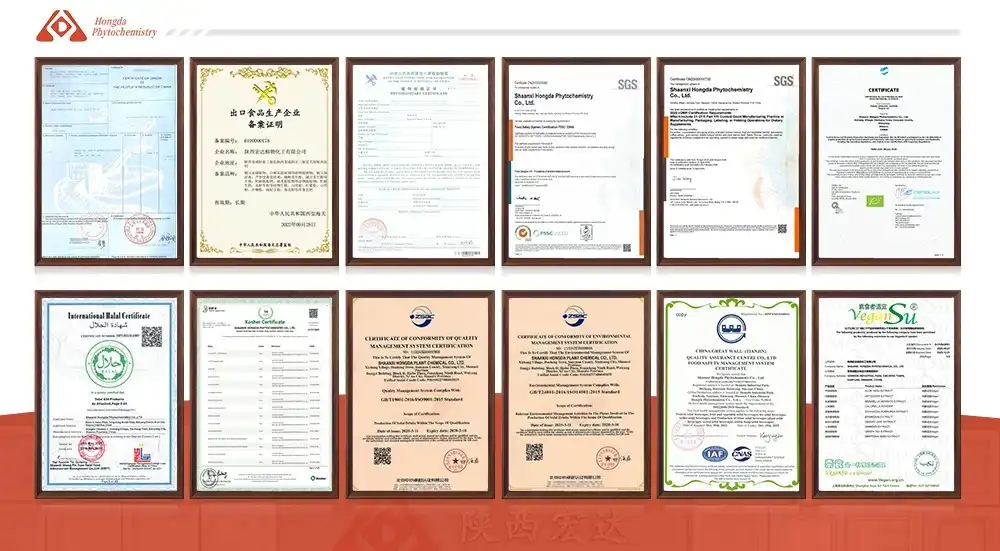
Premium brands selling into regulated international markets require a supplier whose paperwork matches the quality promises on the label, and Shaanxi Hongda Phytochemistry has created precisely that type of documentation trail since its foundation in 2001. Since being recognised as a National High-tech Development Enterprise in 2010, the firm has cGMP, FSSC22000, ISO22000, ISO9001, HALAL, KOSHER, BRC, FDA registration, EU/NOP organic certification, and national patents. For luxury brands looking to launch in North America, Europe,e or the Middle East,st this level of certification alleviates a lot of the vendor qualification load that would otherwise drag down a well-planned product launch.
Testing and Traceability Buyers Can Verify
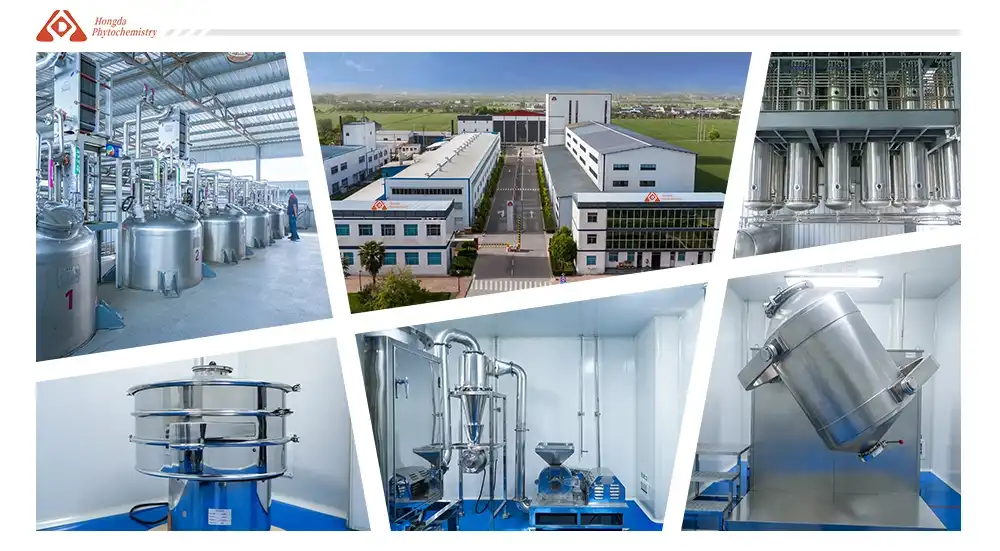
Before shipment, each batch of calcium bisglycinate powder leaving Hongda’s facility is inspected in an SGS-standardized laboratory staffed with more than twenty professor-level researchers, utilising instruments such as high-performance liquid chromatographs and atomic absorption spectrophotometers to verify purity, heavy metal levels and microbial safety. Instead of asking customers to trust a label, this paperwork provides premium companies with the provable technical support their marketing claims require. Traceability is provided by the company's own testing infrastructure and organised six-zone warehousing system, providing quality teams with a clear paper trail from source material to final calcium bisglycinate powder drum.

Production Scale as a Reliable Bulk Supplier
As brands grow, they will want more than strong chemistry to support them; they will need a solid partnership with a bulk powder calcium bisglycinate supplier that can keep up with growing order quantities and not skip a beat on a production window. Hongda has over ten production lines in 100,000-level purification workshops in the 20,000-square-meter facility, with an annual capacity of over 3,000 tonnes of its constituent portfolio, adequate to maintain standing inventories rather than producing strictly to order. That depth of manufacturing is frequently what distinguishes a supplier relationship that grows well from one that becomes a bottleneck, particularly for luxury companies looking to develop over many years.
|
Category
|
Detail
|
|---|---|
|
Founded
|
2001
|
|
Facility
|
~20,000 m², 10+ production lines, 100,000-level workshops
|
|
Annual Capacity
|
~3,000 tons
|
|
In-House Lab
|
SGS-standardized, 20+ professor-level staff
|
|
Certifications
|
cGMP, FSSC22000, ISO22000, ISO9001, HALAL, KOSHER, BRC, FDA, Organic (EU & NOP)
|
Conclusion
Calcium bisglycinate powder earns its place in premium mineral blends through a genuine chemical advantage, not marketing alone: a well-characterized molecular structure, reduced competition with co-formulated minerals, and a bioavailability story brands can defend under scrutiny. For brands looking for a reliable bulk supplier of calcium bisglycinate, Hongda Phytochemistry's manufacturing consistency, certification portfolio, and bulk production capacity give formulators the raw material foundation a premium multi-mineral line actually needs. For brands building a formula meant to stand apart from commodity mineral blends, sourcing a well-documented calcium bisglycinate powder is one of the more defensible ways to back that positioning with substance.[1][2][3][5]
FAQ
1. What is the molecular weight of calcium bisglycinate powder?
Approximately 188.2 g/mol, with a molecular formula of C4H8CaN2O4.
2. Why is calcium bisglycinate powder suited for premium multi-mineral blends?
Its chelated structure reduces absorption competition with other minerals and delivers higher bioavailability than carbonate or citrate forms.
3. Does calcium bisglycinate powder interfere with zinc or iron absorption?
Less than unchelated calcium, since it is absorbed through amino acid transport pathways rather than standard mineral channels.
4. Can Hongda supply calcium bisglycinate powder in bulk wholesale volumes?
Yes, including a standard 20 percent grade and custom specifications for large-scale production.
Source HONGDA Calcium Bisglycinate Powder for Your Premium Blend
If your brand is developing a premium multi-mineral formula, Shaanxi Hongda Phytochemistry Co., Ltd. can supply a calcium bisglycinate powder built for exactly that purpose. Backed by an SGS-standardized in-house laboratory, more than two decades of manufacturing experience, and certifications spanning cGMP, FSSC22000, HALAL, KOSHER, and organic standards, HONGDA gives international buyers the documentation and bulk supply reliability that a premium product line requires. Whether you need a standard 20 percent grade or a custom specification, our team can provide molecular weight datasheets, samples, and wholesale pricing. Email duke@hongdaherb.com today to start your formulation.
References
1. Lönnerdal, B. "Calcium and iron absorption: mechanisms and public health relevance." International Journal for Vitamin and Nutrition Research.
2. Heaney, R.P. "Factors influencing the measurement of bioavailability, taking calcium as a model." The Journal of Nutrition.
3. Ashmead, H.D. "The chemistry of amino acid chelation and its role in mineral bioavailability." Archivos Latinoamericanos de Nutrición.
4. Wood, R.J. "Bioavailability: phytic acid, calcium, and zinc." Nutrition.
5. Institute of Medicine (US) Committee to Review Dietary Reference Intakes for Vitamin D and Calcium. "Dietary Reference Intakes for Calcium and Vitamin D." National Academies Press.
6. Hunt, J.R. "Bioavailability of iron, zinc, and other trace minerals from vegetarian diets." The American Journal of Clinical Nutrition.