



_1745918362135.webp)

Can Calcium Bisglycinate Powder Support Muscle Function?
Calcium marketing generally focuses on bone health. But the first thing calcium does in your body is within muscle tissue, where it is responsible for every contraction, from your heart beating to flexing your biceps. Hongda Phytochemistry based its calcium bisglycinate powder on this larger function, chelating calcium to glycine so it is effectively absorbed without the digestive baggage that bulkier calcium salts bring. As Shaanxi Hongda Phytochemistry Co., Ltd. continues to serve formulators in the sports nutrition, healthy-aging, and women's health categories, their calcium bisglycinate powder offers brands a mineral source intended for muscular function claims—not simply a bone-density label line.[1][4]
Why Calcium Bisglycinate Powder Is Different From Conventional Calcium Sources
A Chelated Structure Built for Absorption
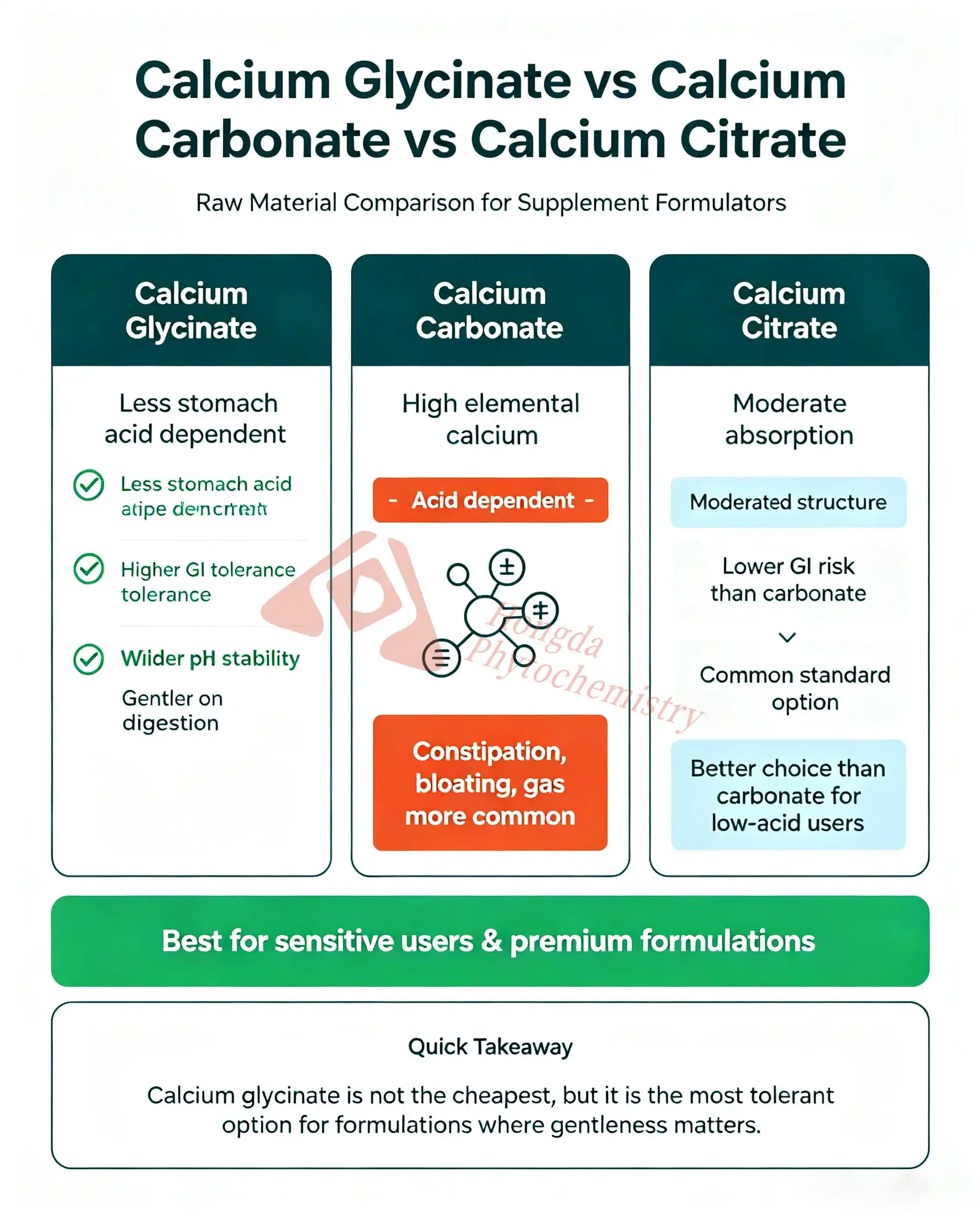
Both calcium carbonate and calcium citrate need the digestive system to break the mineral away from its salt form before it can be absorbed. This process competes with other minerals and is dependent on the quantity of stomach acid. Calcium bisglycinate powder bypasses that bottleneck by attaching calcium directly to two molecules of glycine, forming a chelate small enough to be absorbed by amino acid transport channels in the gut, rather than depending exclusively on normal mineral absorption channels. This structural difference also helps explain why calcium bisglycinate powder is often touted as being 20% to 30% more bioavailable than calcium carbonate, allowing formulators to provide a substantial calcium dosage without the bulky tablet size that lower-absorption forms normally need.[3]
Elemental Calcium Content and Practical Dosing
If you’re a formulator developing a muscle-support or bone-health product, you need dependable elemental calcium content to precisely reach your label claims – and that’s what Hongda’s calcium bisglycinate powder is made for. A custom formulation-ready calcium bisglycinate specification enables businesses to use a defined, batch-verified calcium % instead of guessing around fluctuating raw material purity, which is important when a product has to provide an accurate milligram amount on its supplement information panel. Equally predictable is the ability to combine different formulae more easily, since a maker can know precisely how much calcium bisglycinate powder to combine with magnesium, vitamin D, or other muscle support elements without guessing about potency.
Gentler on Digestion Than Carbonate or Citrate Forms
Constipation and bloating are two of the most frequent reasons for customers to quit taking a calcium supplement, and both are associated with the free calcium ions produced by less soluble salts such as calcium carbonate. Because calcium bisglycinate powder remains chelated until it reaches absorption sites in the colon, it releases much less free ions into the stomach, resulting in a notably smoother digestive experience for most users. This tolerability advantage is especially important in sectors like as prenatal and senior nutrition, where the ability to take a product on a regular daily basis over months will decide whether a calcium formula truly delivers on its muscle and bone health promises or sits half-finished on a shelf.
|
Calcium Source
|
Elemental Calcium
|
Relative Bioavailability
|
Digestive Tolerability
|
|---|---|---|---|
|
Calcium Bisglycinate
|
~19%–20%
|
High (20%–30% above carbonate)
|
Gentle, low GI complaints
|
|
Calcium Carbonate
|
~40%
|
Baseline
|
Common bloating, constipation
|
|
Calcium Citrate
|
~21%
|
Moderate, acid-independent
|
Better than carbonate, still variable
|
|
Calcium Gluconate
|
~9%
|
Lower
|
Mild, but low potency per gram
|
The Role of Calcium in Muscle Contraction and Function
How Calcium Triggers the Actin-Myosin Cross-Bridge Cycle?
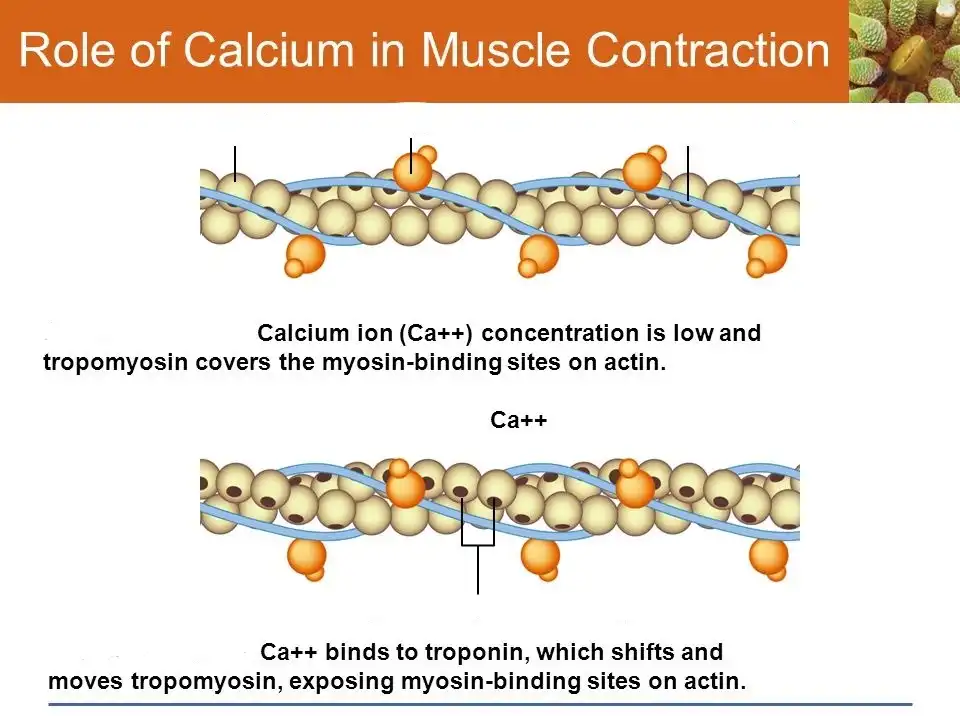
The first step in muscle contraction is the release of calcium ions from a storage structure inside the muscle cells, termed the sarcoplasmic reticulum, when a nerve impulse stimulates it. Calcium ions connect to a protein called troponin, which moves out of the way, enabling actin and myosin filaments in the muscle to bind to each other and glide past each other, the physical process that shortens the muscle and creates force. If there are not enough calcium ions available at this point, the cross-bridge cycle will stop, muscles will contract poorly or unevenly, and physical performance will be affected, no matter how highly trained the muscle tissue itself is. Calcium bisglycinate powder only helps this pathway by maintaining the circulation and stored calcium in the right range so that the contraction cycle can run effectively on demand.
Calcium's Role in Muscle Relaxation and Preventing Cramping
Contraction is just half the story; muscles need calcium actively pumped back into the sarcoplasmic reticulum so the muscle fibre can rest between contractions. A low mineral status might interfere with this calcium recycling process, and muscles could remain partially tensed. This is one of the physiological mechanisms underlying cramping and the involuntary twitching that many persons experience after heavy exertion or at nighttime. A readily absorbed form of calcium such as calcium bisglycinate powder, including custom 20 percent grade calcium bisglycinate for specific formulation requirements, offers the building blocks that the relaxation phase of muscle action needs. That’s why you’ll see calcium combined with magnesium in formulas for cramp prevention and recovery.[1][2][4]
Why Chronic Low Calcium Intake Affects Muscle Performance?
If you don't obtain enough calcium from your meals over time, your body will siphon calcium from your bones to maintain regular blood levels. This preserves the contraction/relaxation cycle for a short duration, but it means you lose bone density long-term. Even the muscles’ own performance might be compromised with chronic low intake, as the body’s calcium-regulating hormones pay more attention to maintaining normal baseline blood calcium levels than to the reserve capacity of calcium that muscles use during severe or prolonged stress. This is why calcium bisglycinate powder is increasingly being used by formulators designing solutions for sports, energetic people, or ageing populations. This slow depletion cycle is significantly more reliably avoided by regular, well-tolerated daily ingestion than by occasional high-dose supplementation.[4][5][6]
Calcium Bisglycinate Powder standards: Need standards for calcium bisglycinate powder on particle size, solubility, or documentation for muscle support or bone health formulas? Hongda's technical team can provide a sample and CoA promptly. You may email us at duke@hongdaherb.com anytime.
Formulating Calcium Bisglycinate Powder for Muscle-Support Products
Pairing With Magnesium and Vitamin D for Neuromuscular Support
Calcium rarely works alone in a muscular function recipe. Vitamin D helps your body absorb calcium and helps your body use calcium efficiently. Magnesium is essential to counteract calcium-induced contraction and allow relaxation. These three nutrients are not interchangeable, but functionally interdependent. Formulators developing neuromuscular support formulations often blend calcium bisglycinate powder with a magnesium chelate and vitamin D3 to address the whole contraction-relaxation cycle rather than simply calcium intake. This combination is a popular choice in cramp-prevention formulas, post-workout recovery blends, and general muscle health multivitamins for active folks and older clients alike.
Dosage Considerations for Muscle-Function Formulas
The calcium bisglycinate powder provides a well-absorbed dose at a lighter total mineral weight than carbonate, so formulators may produce smaller capsules or tablets and yet reach a meaningful daily calcium target, which can be split across two or three meals to maximise absorption efficiency. When selecting a food grade calcium bisglycinate supplier, manufacturers should also confirm the grade specifications and elemental calcium content to ensure consistency between batches. The custom-made 20 percent grade calcium bisglycinate standard offers manufacturers a definitive elemental calcium baseline for accurate dosing regimens, targeted to athletes looking for electrolyte-adjacent mineral aid or older individuals addressing age-related muscle loss. Dosage is also significant in terms of tolerability, since smaller, repeated doses of calcium are frequently better absorbed and easier on the digestive system than a very large amount.[3][4]
Particle Size, Solubility, and Taste in Finished Products
The particle size will affect the performance of calcium bisglycinate powder in capsules, tablets, gummies, and drink mixes. Hongda sieves their calcium bisglycinate powder to fulfil the demands of dry-blend applications where the fine, free-flowing particles improve tablet uniformity and beverage applications where a slightly foggy but stable dispersion is needed as opposed to absolute clarity. The mineral’s naturally mild, slightly sweet taste also makes it easier to disguise in flavoured candies and drink powders than more bitter or gritty calcium salts, giving formulators more flexibility when producing consumer-facing muscle-support products.
|
Companion Ingredient
|
Role
|
Why It's Paired With Calcium Bisglycinate Powder
|
|---|---|---|
|
Magnesium Bisglycinate
|
Supports muscle relaxation
|
Balances calcium's contraction signal
|
|
Vitamin D3
|
Regulates calcium absorption |
Improves overall calcium utilization
|
|
Vitamin K2
|
Directs calcium toward bone and muscle
|
Supports proper mineral distribution
|
|
Potassium
|
Supports electrolyte balance
|
Complements cramp-prevention formulas
|
Formulation Applications Across Muscle-Health Product Categories
Sports Recovery and Endurance Nutrition
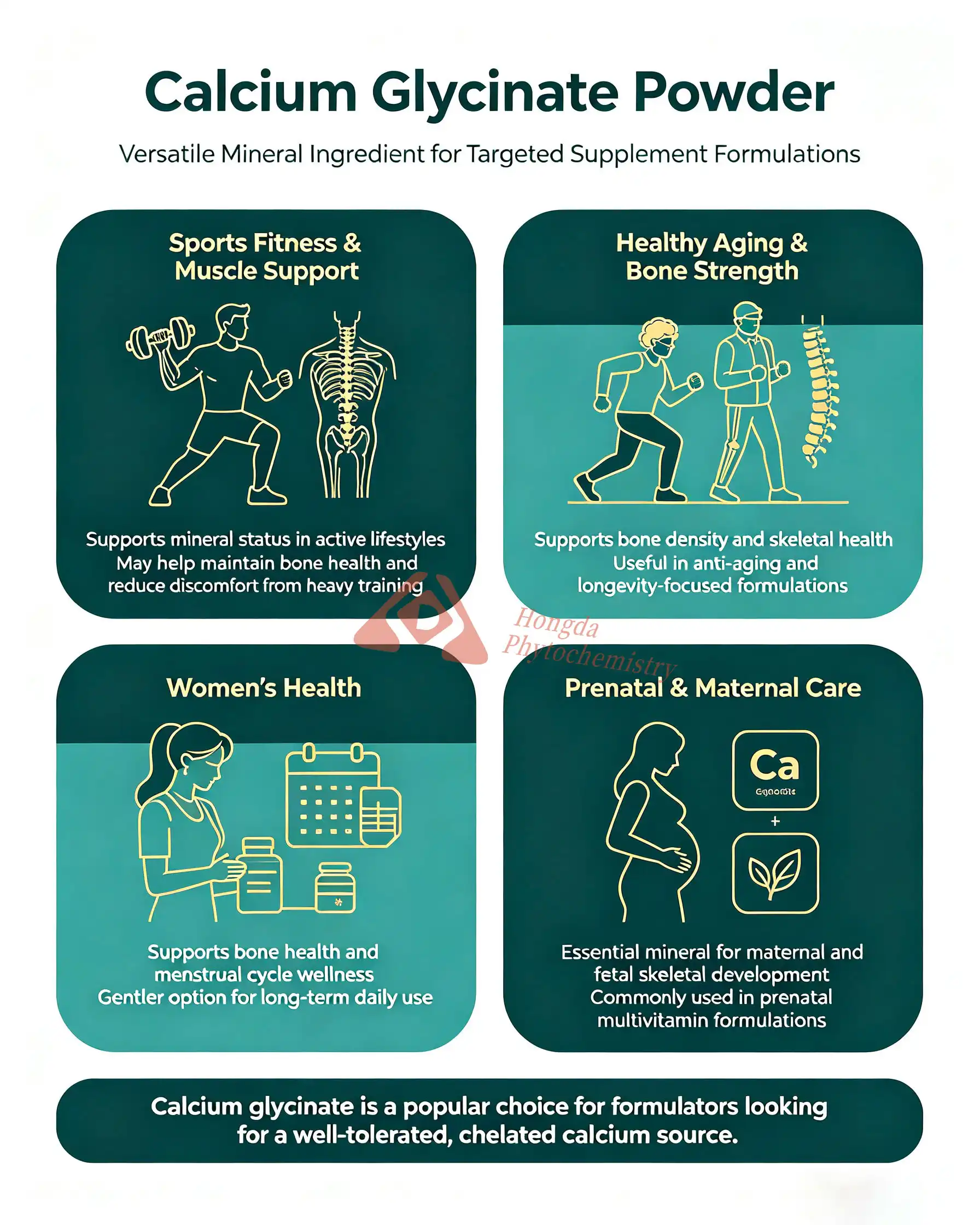
Endurance athletes sweat calcium out during extended training sessions, and the accompanying deficiency may lead to cramps and poorer recovery between sessions. Sports nutrition firms are increasingly formulating calcium bisglycinate powder into recovery blends and electrolyte-adjacent products targeting the muscular contraction-relaxation cycle during and after strenuous exercise. Calcium bisglycinate powder is well-tolerated even when taken daily, making it a natural choice for products that are consumed over the course of a training block, rather than just around a single workout. This supports the kind of steady mineral status that consistent athletic performance depends on across a full competitive season.[2]
Healthy Aging and Sarcopenia-Support Formulas
Clinically, age-related muscle loss is termed sarcopenia, which is characterised by decreasing muscle mass and deteriorating muscle function, and sufficient calcium status is one of numerous dietary variables that maintain healthy neuromuscular signalling in older individuals. Calcium bisglycinate powder is often included in healthy-aging products, as its milder digestive profile is better suited to a population that is more likely to have gastrointestinal sensitivity and drug interactions than younger consumers. This excellent tolerability, along with great bioavailability, means older persons may take a regular dose every day without the constipation that sometimes leads seniors to abandon calcium carbonate tablets halfway through the bottle.
Prenatal and Women's Health Muscle Support
Pregnancy greatly increases calcium requirements, for foetal skeletal growth and also to sustain the mother’s muscular and nervous system function during gestation. Prenatal formulae therefore represent one of the greatest markets for well-tolerated calcium sources. Calcium bisglycinate powder is a good option for this group, and manufacturers seeking a reliable bulk powder calcium bisglycinate source may consider it for formulations intended for this market, since it is mild on the digestive system and does not worsen the constipation that many pregnant women already suffer from. Its high bioavailability helps fulfil increased calcium demands, without needing an impractically large number of pills per day. Women’s health companies that are formulating muscle-cramp or leg-cramp products for pregnancy also typically pick calcium bisglycinate powder, for the same reasons of absorption and tolerability.[4]
Why Shaanxi Hongda Phytochemistry Is a Trusted Calcium Bisglycinate Powder Supplier?
Custom Grades Built Around Your Formulation Needs
Not all brands require the same calcium bisglycinate standard, and Hongda’s manufacturing processes are designed to handle that variance without slowing down delivery deadlines. Buyers may request a bespoke 20 percent grade calcium bisglycinate specification for typical capsule and tablet applications, or collaborate with Hongda’s scientific team to optimise particle size and moisture stability for gummies, drinks, or tropical-climate distribution. This versatility is one of the biggest reasons why formulators across sports nutrition, healthy-aging and prenatal categories come back to Hongda again and again, rather than re-qualify a new supplier for each product line launch. One partnership may cover numerous different formulation demands.
Certifications That Support Global Food and Supplement Brands
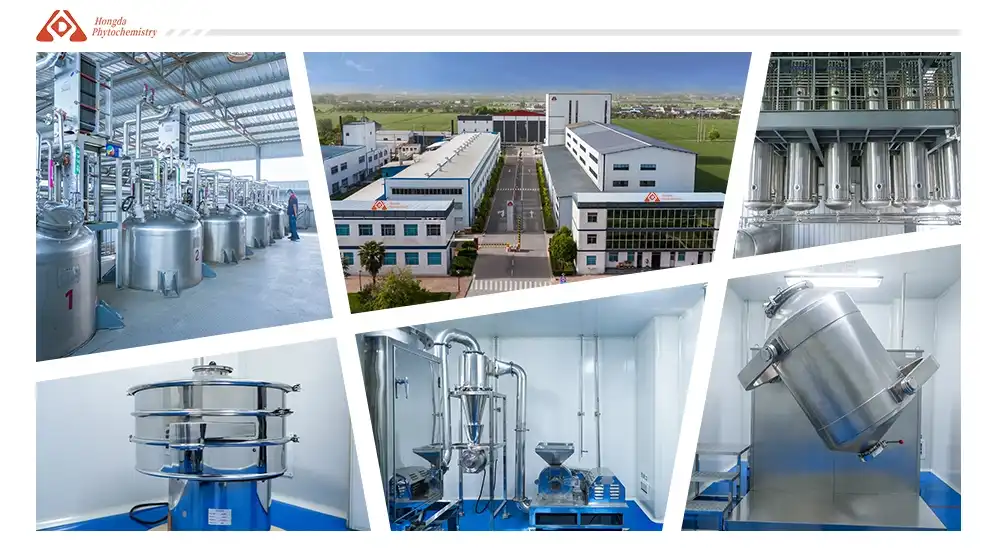
International purchasers want paperwork that satisfies regulators and auditors before a cargo even reaches their warehouse. This is an area where Shaanxi Hongda Phytochemistry has invested substantially since its foundation in 2001. The firm, a provider of food-grade calcium bisglycinate, has cGMP, FSSC22000, ISO22000, ISO9001, HALAL, KOSHER, BRC, FDA registration, and EU/NOP organic certification, and has obtained national patents since being recognised as a National High-tech Development Enterprise in 2010. This level of certification significantly reduces the time it takes to qualify vendors for brands selling into regulated marketplaces throughout North America, Europe, and the Middle East before a formulation goes into commercial production.

Bulk Supply and Wholesale Reliability for Growing Brands
When a recipe evolves from a pilot batch into continuing commercial production, supply consistency is crucial, and Hongda’s manufacturing scale is geared to facilitate that shift. The company has more than ten production lines in its 20,000-square-metre site in 100,000-level purification workshops and is producing around 3,000 tonnes of ingredient capacity a year across its portfolio, enough to hold standing bulk powder calcium bisglycinate inventory rather than producing strictly to order. For companies moving from a localised launch to broader distribution, such manufacturing depth alleviates the danger of a raw material shortfall cutting off an otherwise successful product line.
|
Category
|
Detail
|
|---|---|
|
Founded
|
2001
|
|
Facility
|
~20,000 m², 10+ production lines, 100,000-level workshops
|
|
Annual Capacity
|
~3,000 tons
|
|
In-House Lab
|
SGS-standardized, 20+ professor-level staff
|
|
Certifications
|
cGMP, FSSC22000, ISO22000, ISO9001, HALAL, KOSHER, BRC, FDA, Organic (EU & NOP)
|
Conclusion
Calcium bisglycinate powder earns its place in muscle-support formulas by addressing calcium's most immediate biological role: powering the contraction-relaxation cycle that every muscle relies on, not just long-term bone density. Its chelated structure delivers higher bioavailability and far gentler digestion than calcium carbonate or citrate, making consistent daily use realistic for athletes, aging adults, and pregnant women alike. Backed by Hongda Phytochemistry's manufacturing scale, testing standards, and custom grade options, this calcium source gives formulators a dependable foundation for any product built around muscle function, cramp prevention, or healthy aging claims, including custom formulation ready powder calcium bisglycinate for tailored product development.
FAQ
1. How does calcium bisglycinate powder support muscle function?
It supplies calcium for the contraction-relaxation cycle inside muscle cells, supporting both muscle strength and proper recovery between contractions.
2. Is calcium bisglycinate powder better absorbed than calcium carbonate?
Yes. Its chelated structure is typically 20% to 30% more bioavailable than calcium carbonate.
3. Does calcium bisglycinate powder cause less digestive discomfort?
Most users report significantly less bloating and constipation compared with calcium carbonate or citrate.
4. What nutrients pair well with calcium bisglycinate powder for muscle support?
Magnesium, vitamin D3, and vitamin K2 are common companions that support absorption and neuromuscular function.
Source HONGDA Calcium Bisglycinate Powder for Your Next Formula
If your brand is building a muscle-support, bone-health, or healthy-aging product, Shaanxi Hongda Phytochemistry Co., Ltd. can supply a calcium bisglycinate powder engineered for high absorption and gentle digestion. Backed by an SGS-standardized in-house laboratory, more than two decades of manufacturing experience, and certifications spanning cGMP, FSSC22000, HALAL, KOSHER, and organic standards, HONGDA gives international buyers the documentation and consistency that muscle-function claims require. Whether you need a standard grade, a custom specification, or bulk wholesale volume, our team can provide samples, certificates of analysis, and pricing. Email duke@hongdaherb.com today to start your formulation.
References
1. Berchtold, M.W., Brinkmeier, H., Müntener, M. "Calcium ion in skeletal muscle: its crucial role for muscle function, plasticity, and disease." Physiological Reviews.
2. Clarkson, P.M., Haymes, E.M. "Exercise and mineral status of athletes: calcium, magnesium, phosphorus, and iron." Medicine & Science in Sports & Exercise.
3. Straub, D.A. "Calcium supplementation in clinical practice: a review of forms, doses, and indications." Nutrition in Clinical Practice.
4. Institute of Medicine (US) Committee to Review Dietary Reference Intakes for Vitamin D and Calcium. "Dietary Reference Intakes for Calcium and Vitamin D." National Academies Press.
5. Ilich, J.Z., Kerstetter, J.E. "Nutrition in bone health revisited: a story beyond calcium." Journal of the American College of Nutrition.
6. Pu, F., Chen, N., Xue, S. "Calcium intake, calcium homeostasis and health." Food Science and Human Wellness.