


_1745918362135.webp)

Can Calcium Bisglycinate Powder Reduce Digestive Discomfort?
Calcium bisglycinate powder relieves stomach pain more than calcium supplements. Due to its unique molecular structure, this chelated mineral form avoids the harsh digestive processes required by ordinary calcium salts, preventing constipation, bloating, and stomach discomfort. The main goal of Shanxi Hongda Phytochemistry Co., Ltd. is to provide high-quality mineral ingredients to supplement, nutraceutical, and functional food manufacturers all over the world. A lot of buying workers are looking for calcium bisglycinate powder because other calcium sources can make it hard for people to digest, change the way products are made, or follow the directions. As customer standards keep going up, supplement companies need to find calcium ingredients that are both good for you and easier for your body to handle. This article talks about how calcium bisglycinate powder works, why it might help with stomach issues, and what B2B buyers should look for in a trusted calcium ingredient provider.
Understanding Why Traditional Calcium Supplements May Cause Digestive Challenges
Common Reasons Calcium Supplements Affect Gastrointestinal Comfort
Too much calcium can be bad for you, but many foods and supplements have it. There are, however, some types of calcium that some people may have trouble breaking down. For instance, stomach acid is needed for calcium carbonate to break down. Some people may get gas, have trouble going to the bathroom, or feel heavy when they take a lot of carbonate-based vitamins.
For another reason, calcium that isn't eaten can stay in the stomach. Different minerals, fibre, phytates, or other parts of food may change how well calcium is absorbed by the body. Many people who already have weak gut systems may find that the rest of the calcium makes their problems worse.
Problems like these can make supplement companies lose reviews, customers who buy their products again, and customers who are generally happy with their goods. There are a lot of supplements on the market, so it's getting more and more important to have a recipe that both gives you energy and makes your stomach feel better.
How Digestive Tolerance Influences Supplement Product Performance
How people behave is closely connected to how they feel about a product. The amount of vitamins someone takes may be lowered or stopped if they feel bad after taking them. This makes it hard for companies to make calcium products for older people, busy people, and people who want to stay healthy for a long time.
It's not enough for B2B producers to choose the right ingredients when it comes to calcium sources. It changes how formulations are made, how users feel about them, and how well you can make goods that people will buy.
Why Calcium Bisglycinate Powder Offers Improved Digestive Compatibility
The Role of Amino Acid Chelation in Calcium Stability
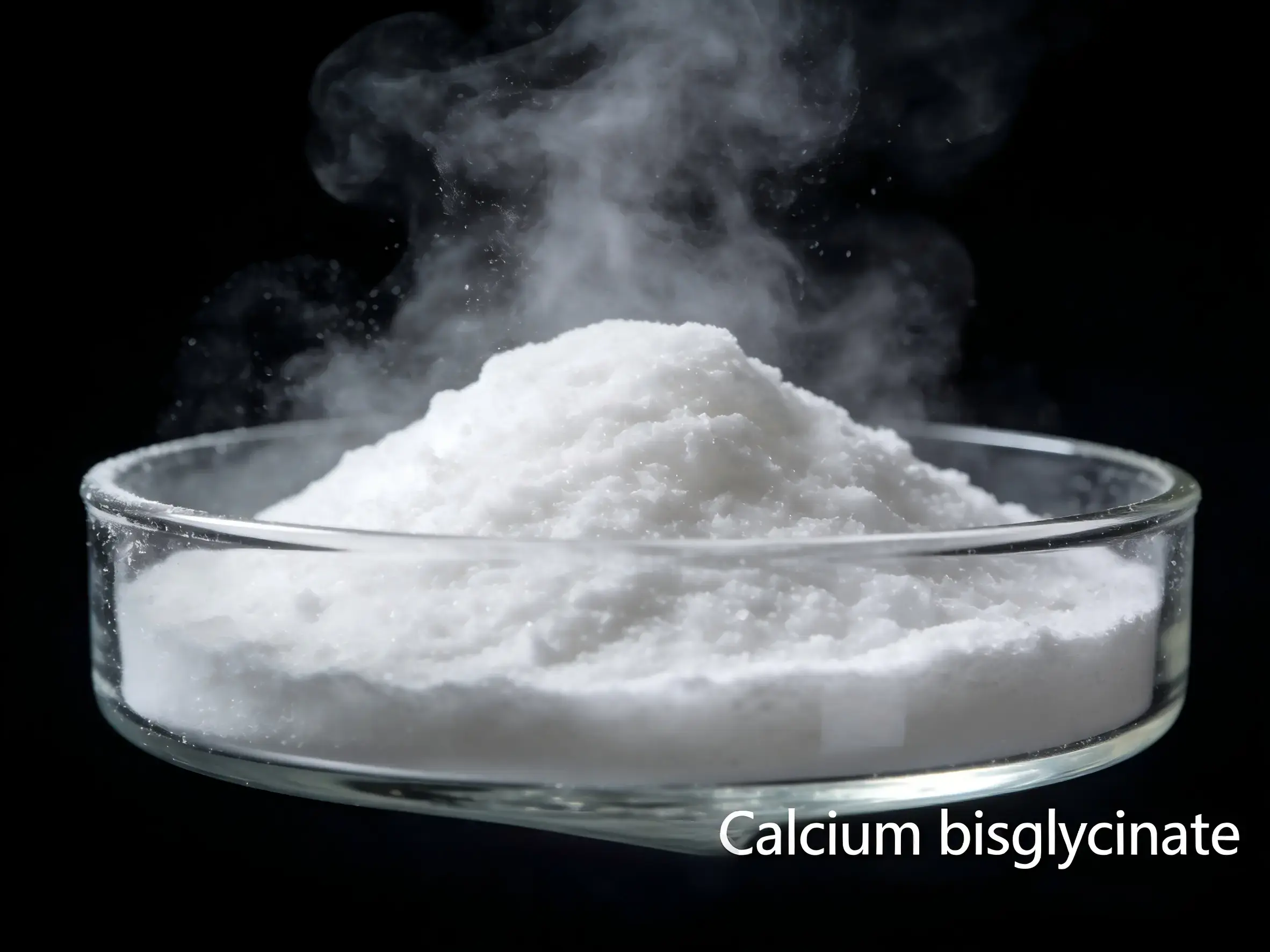
Calcium bisglycinate powder is made up of amino acid-chelated calcium. This means that certain molecules of calcium are linked to molecules of glycine. This shape helps keep calcium safe while it's being broken down and lowers the chance that it will react directly with some common mineral salts.
There is more structure to chelated calcium molecules than to pure calcium molecules, even when the digestive system isn't working right. There is nutritional value in the amino acid glycine, and it also helps minerals get to where they need to go.
Some companies that make high-end products focus on customer comfort and ease of absorption, like calcium bisglycinate powder, because of the way it is structured.
Supporting Calcium Absorption Through Better Mineral Utilization
How well a calcium vitamin works depends on both how much basic calcium it has and how well the body can use the mineral. By mixing calcium with an amino acid carrier, calcium bisglycinate powder is meant to make minerals easier to get.
It may have a lower amount of basic calcium than calcium carbonate, but the chelated structure can help make formulations work better. Manufacturers can make goods that people are more likely to use regularly when they have more patience.
Calcium bisglycinate powder is flexible and can be used in a clean manufacturing way for things like pills, tablets, powders, and healthy drinks.
Formulation Advantages of Calcium Bisglycinate Powder for Supplement Manufacturers
Flexible Applications Across Nutraceutical Product Categories
One great thing about calcium bisglycinate powder is that it can be used with a variety of supplement forms. It can be used by manufacturers in:
- Taking pills and capsules
- Mixes of powder
- Functional drinks
- Products for prenatal nutrition
- Formulas for sports diet
- Mineral tablets every day
Because it doesn't have a strong mineral smell, it's easier to make goods with it. This helps companies make formulas that people will want to buy when taste and texture are important factors.
Combining Calcium Bisglycinate Powder With Complementary Ingredients
Calcium supplements usually have extra nutrients to help with overall health goals. Vitamin D3 is often taken with calcium because it helps the body use calcium normally. Because it helps the body use calcium, vitamin K2 is often found in formulas for bone health.
Calcium bisglycinate powder can be mixed with magnesium, collagen peptides, and other useful ingredients to make complete nutritional products. Because chelated minerals are compatible, formulators can make products with more than one ingredient while keeping the stability of the formulation.
Quality Standards and Supplier Evaluation for Calcium Bisglycinate Powder
What B2B Buyers Should Check Before Selecting a Supplier
When choosing a calcium ingredient supplier, you need to look at more than just price. The buying teams should look over:
- Standards for manufacturing
- Systems for managing quality
- Steps for testing
- Help with documentation
- Capacity for production
- Compliance with regulations
A trustworthy seller should give you Certificates of Analysis (CoA) that are very detailed and include details about the product's purity, mineral content, moisture, microbiological testing, and heavy metal analysis.
During production, Hongda Phytochemistry follows strict quality control methods to make sure that customers get calcium bisglycinate powder that is always the same and can be used for a variety of tasks.
Manufacturing Expertise and Quality Assurance Support
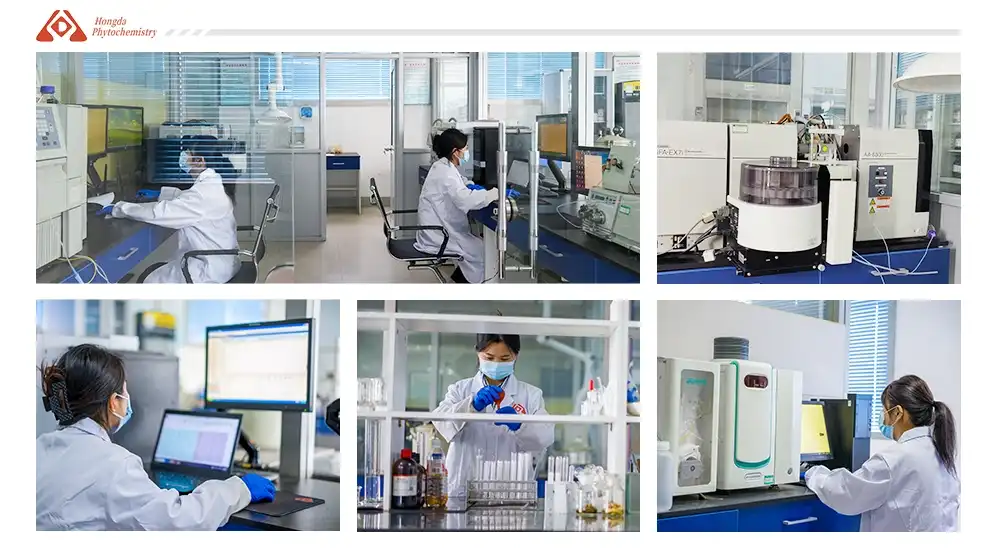
For mineral ingredients to be of high quality, they need to be made in a controlled way and tested by professionals. Suppliers should keep production standards constant to keep batch differences to a minimum and help with long-term product growth.
At Shaanxi Hongda Phytochemistry Co., Ltd., testing finished products, inspecting raw materials, and keeping an eye on production are all parts of judging quality. Technical teams help customers with things like choosing the right ingredients, thinking about how to make the product, and meeting the needs of the application.
This way of working with suppliers helps brands lower the risks of development and make sure that all of their products are the same.
Practical Considerations When Using Calcium Bisglycinate Powder in Formulations
Dosage Planning and Product Development
When making calcium pills, companies need to think about the type of people they want to buy them from, how much they should serve, and how they should be positioned nutritionally. Calcium bisglycinate powder lets formulators find the right balance between product experience and calcium delivery.
Particle size, blending ratios, and processing methods may need to be changed for different uses. Before going into mass production, these factors can be improved by working with a seller with a lot of experience.
Testing Compatibility Before Large-Scale Production
Before putting out a new product, companies should try samples to make sure that the ingredients will work well together. Some important things to think about are:
- How solubility works
- Evenness of the blend
- Stability while being stored
- How minerals interact with each other
- Compatibility with the manufacturing process
It saves money and time to make sure the end product meets customer standards when the review process is thorough.
Comparing Calcium Bisglycinate Powder With Other Calcium Sources
Chelated Calcium Versus Traditional Calcium Forms
Calcium carbonate is still widely used because it is cheap and has a high concentration of elemental calcium. However, some users may have stomach problems, especially when they take bigger amounts.
Calcium citrate is another choice that works well for absorption, but the type of product may have different manufacturing needs and taste concerns.
Calcium bisglycinate powder is different because it uses chelation technology to combine calcium and glycine. This structure helps with tolerance and lets brands market their products to people who want to take high-quality mineral supplements.
Why Procurement Teams Consider Calcium Bisglycinate Powder
Ingredient selection affects product positioning, customer satisfaction, and long-term brand value. While chelated minerals may have a higher raw material cost compared with conventional calcium sources, their advantages in formulation flexibility and consumer experience can support premium supplement strategies.
For brands targeting quality-focused markets, calcium bisglycinate powder represents an ingredient choice aligned with increasing demand for effective and comfortable supplementation.
Procurement Guide: Choosing a Reliable Calcium Bisglycinate Powder Supplier
Evaluating Documentation, Certifications, and Technical Support
Before forming relationships, professional buying teams should review the paperwork from suppliers. Some important factors are:
- Certifications for food safety
- Systems for managing quality
- Records of batch testing
- Ability to provide technical support
- Options for customisation
A seller with a lot of technical know-how can be more useful than a simple distributor of ingredients because they can help with formulating new products and fixing problems.

Sample Testing and Long-Term Supply Planning
Companies should ask for examples and make sure the following before making big orders:
- How they look
- Characteristics of particles
- Goodness
- Compatible with recipes that are already in use
- Performance in stability
When planning for long-term supply, you also need to think about production capacity, wait times, packing choices, and how well you can communicate. Building a long-term relationship with a reliable calcium bisglycinate powder provider helps companies keep the quality of their products constant and act quickly on market prospects.
Conclusion
Calcium bisglycinate powder gives supplement makers a calcium answer that is meant to make stomach issues better, recipe options wider, and customer acceptance higher. This form of calcium is better than some other forms of calcium that may cause problems in the digestive system because it uses amino acid chelation technology.
When nutrition brands and sourcing workers look for the right calcium ingredient, they have to carefully consider quality standards, technical support, and how well it works with other products. Companies that use high-quality calcium bisglycinate powder can make more effective and user-friendly supplements, which can help them stand out in the supplement market.
FAQ
1. Is calcium bisglycinate powder safe for all age groups?
Calcium bisglycinate powder is safe for children, adults, the elderly, and pregnant or nursing mothers. The chelated structure decreases drug-nutrient interactions, making it acceptable for complicated supplementing regimens. Regional health authorities should set age-appropriate RDAs for dosing. Pediatric formulations provide 100-300 mg elemental calcium per serving, whereas adult preparations contain 200-1,000 mg, depending on therapeutic goals. Always follow local regulations, such as FDA GRAS status in the US and EFSA standards in Europe.
2. What are the best storage conditions for bulk calcium bisglycinate powder?
Proper storage preserves product potency. Bulk calcium bisglycinate powder should be stored in sealed, moisture-resistant containers in cold (15-25°C), dry, and shaded places. Clumping and moisture absorption may be avoided by keeping relative humidity below 60%. Fiber drum exterior packing and double-layer polyethylene interior bags protect goods during travel and storage. Under ideal conditions, shelf life is 24-36 months.
3. How does calcium bisglycinate enhance OEM formulations?
This chelated form prevents ingredient interactions that damage product quality, improving formulation stability. The neutral taste profile reduces sugar and flavoring needs for flavor masking. Solubility allows clear liquid compositions unachievable with carbonates. High bioavailability permits lower dosage sizes, decreasing capsule counts, and boosting convenience.
Partner With HONGDA for Premium Calcium Bisglycinate Powder Supply
Shaanxi Hongda Phytochemistry Co., Ltd. provides high-quality Calcium Bisglycinate Powder, extensive certifications, and experienced technical assistance. We provide customized bulk purchasing, thorough Certificates of Analysis, and OEM/ODM services for your unique formulation needs as a leading food-grade Calcium Bisglycinate Powder supplier with over 20 years of production expertise. Our modern manufacturing facilities, SGS-standard laboratories, and wide certification portfolio provide global regulatory compliance. Contact our procurement team at duke@hongdaherb.com to obtain samples, talk about bulk pricing, and learn how our Calcium Bisglycinate Powder may improve your product range with improved digestive comfort and bioavailability that boosts customer loyalty and market success.
References
1. Heaney RP, Rafferty K, Bierman J. "Not All Calcium Supplements Are Created Equal: Comparative Bioavailability and Biological Effects of Calcium Forms." Journal of the American College of Nutrition, 2001; 20(2): 239S-246S.
2. Ashmead HD. "The Role of Amino Acid Chelates in Animal and Human Nutrition." Noyes Publications, Park Ridge, NJ, 1993.
3. Pineda O, Ashmead HD. "Effectiveness of Treatment of Iron-Deficiency Anemia in Infants and Young Children with Ferrous Bis-Glycinate Chelate." Nutrition, 2001; 17(5): 381-384.
4. Szulc P, Seeman E, Delmas PD. "Biochemical Measurements of Bone Turnover in Children and Adolescents." Osteoporosis International, 2000; 11(4): 281-294.
5. Straub DA. "Calcium Supplementation in Clinical Practice: A Review of Forms, Doses, and Indications." Nutrition in Clinical Practice, 2007; 22(3): 286-296.
6. Institute of Medicine (US) Committee to Review Dietary Reference Intakes for Vitamin D and Calcium. "Dietary Reference Intakes for Calcium and Vitamin D." National Academies Press, Washington DC, 2011.