


_1745918362135.webp)

Indole 3 Carbinol Powder for Estrogen Metabolism: How Effective?
Indole-3-carbinol powder, which affects cellular estrogen metabolism, is a key phytonutrient element in nutraceuticals and pharmaceuticals. At Hongda Phytochemistry, Shanxi Hongda Phytochemistry Co., Ltd. offers plant ingredients for supplement, nutritional, and functional food companies that want a steady source of high-quality products. A lot of people in B2B formulation teams are interested in indole-3-carbinol powder because it comes naturally from cruciferous vegetables like broccoli, cabbage, and Brussels sprouts. I3C research has mostly looked at how it works with oestrogen metabolism routes, cellular reaction mechanisms, and health benefits in general. Brands that are making women's health goods need to know about I3C's biological properties, sourcing needs, and manufacturing issues in order to make competitive products that have a lot of value for customers.
Understanding Indole-3 Carbinol Powder and Its Connection With Estrogen Metabolism
Natural Sources and Chemical Characteristics of I3C
The naturally occurring compound indole-3-carbinol (I3C) is made from glucobrassicin, a glucosinolate that is found in cruciferous vegetables. Enzymatic processes can change glucobrassicin into I3C when these veggies are cut up, cooked, or eaten.
The structure of the substance is indole, which helps it work biologically. I3C has become a popular ingredient for clean-label vitamin formulations because it comes from plants and is linked to veggies that are known to be good for you.
For manufacturers, making high-quality Indole 3 carbinol powder means keeping a close eye on the conditions of extraction, the cleaning steps, and the analytical tests. The regularity of the end item can be changed by things like temperature, working time, and the quality of the raw materials.
How I3C Influences Estrogen Metabolism Pathways
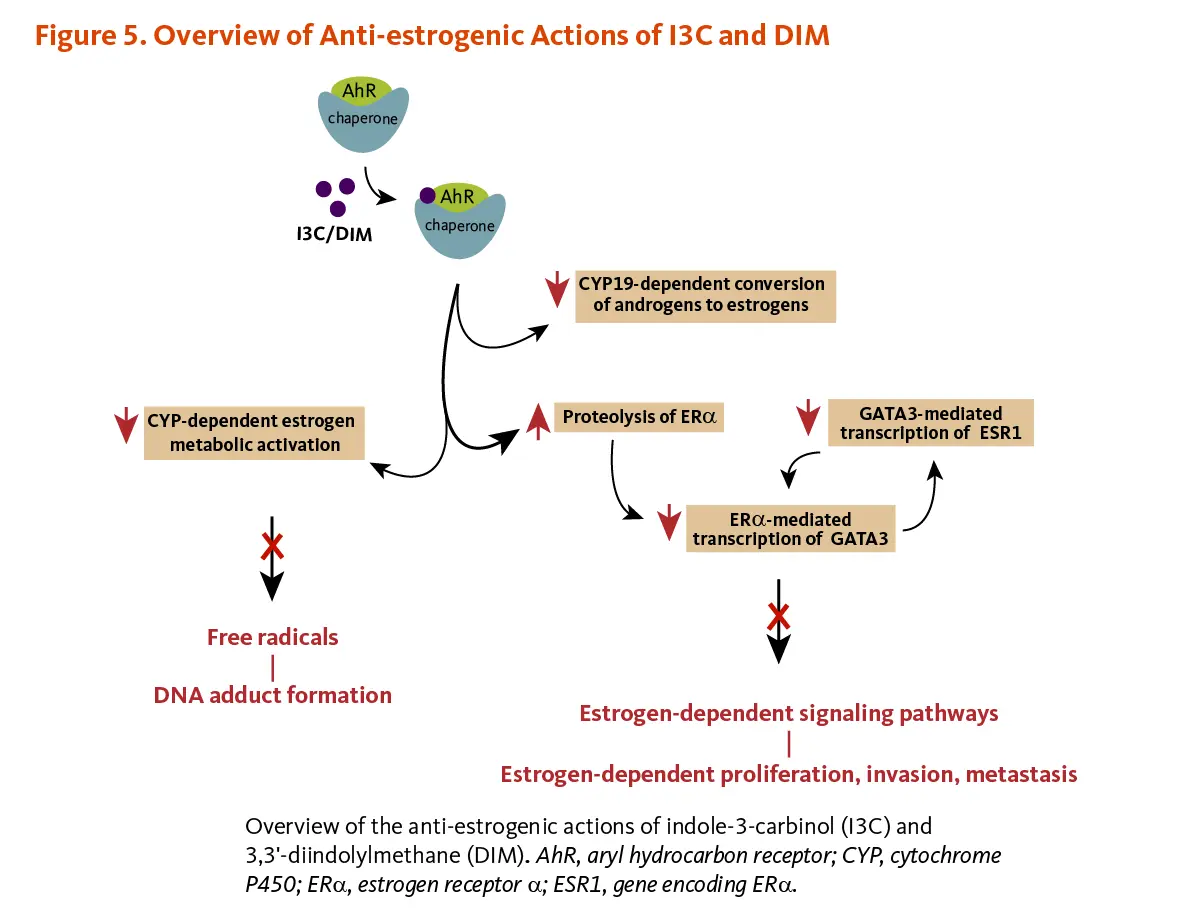
The molecular processes that make up oestrogen metabolism decide how oestrogen molecules are broken down in the body. Researchers have looked into the connection between I3C and oestrogen metabolite profiles, focusing on how it affects processes involving cytochrome P450 enzymes.
Studies show that I3C may help change in oestrogen metabolism by changing how different oestrogen molecules are balanced. I3C is an ingredient that women's health formulas that focus on hormone-related nutritional support are interested in because of this process.
In addition to its role in oestrogen metabolism, I3C has also been looked at for how it affects cellular reaction pathways, such as those that deal with antioxidants. Scientists are still interested in these areas as they look for more uses for compounds found in cruciferous vegetables.
For people who make products, knowing how these processes work helps them make more focused recipes by mixing I3C with elements that work well together, like calcium D-glucarate, vitamins, and plant extracts.
Comparing Indole 3 Carbinol Powder With Other Estrogen Support Ingredients
Differences Between I3C and DIM in Supplement Formulations
Even though I3C and DIM are related, they are made in different ways. When the stomach is acidic, I3C can naturally change into DIM and other compounds that are similar. As a downstream product, DIM is often chosen by formulators who want a more stable mix of ingredients.
However, I3C offers a wider conversion route since it produces more than one molecule after absorption. Because of this trait, makers can come up with different methods based on how they place their products and what customers want.
Formulation teams should think about the following when choosing between I3C and DIM:
- Focus on the biological route you want
- Product type
- Needs for stability
- Expectations of the target market
- Concerns about regulations
The best choice is based on the general plan for the recipe, not just on which element is the most famous.
Plant-Derived and Synthetic I3C: Quality Factors to Consider
I3C from plants and I3C made in a lab can both be used to make supplements, but there are some differences in how to get them.
Brands that stress natural placement and organic traceability may be interested in I3C that comes from plants. Synthetic I3C might be better for production stability and having a set makeup.
When making high-end nutrition goods, companies should think about:
- Purity of ingredients
- Methods of analytical testing
- Quality of each batch
- Access to documentation
- Clearness in the supply chain
Hongda Phytochemistry focuses on quality management throughout the production of ingredients. They help customers get accurate specifications and test results for their formulations.
Formulation Applications and Development Considerations for I3C Powder
Creating Women’s Health and Wellness Formulas
An important use for Indole 3 carbinol powder is in goods for women's health. Manufacturers often mix I3C with other nutrients that work well together to make formulas that help with hormone-related nutrition.
Some common combos are:
- DIM for extra help with oestrogen production
- Calcium D-glucarate helps the metabolic process
- For women's health recipes, vitamin B6 and magnesium
- botanical ingredients to fit a wider range of lifestyles
Instead of making vitamins with just one ingredient, these mixes let brands make goods that stand out.
Improving Product Stability and Consumer Experience
I3C formulation requires attention to ingredient stability and delivery format. Since botanical compounds may have specific solubility and processing characteristics, manufacturers should evaluate compatibility during product development.
Potential delivery formats include:
- Capsules
- Tablets
- Powder blends
- Functional nutrition products
Before commercial production, brands should conduct stability testing, sensory evaluation, and compatibility assessments to ensure the final product maintains quality throughout shelf life.
Quality Control and Supplier Selection for Indole 3 Carbinol Powder
Key Evaluation Points for B2B Ingredient Procurement
Selecting an I3C supplier requires more than comparing prices. Procurement teams should evaluate the complete supply chain, including:
- Raw material sourcing
- Manufacturing capabilities
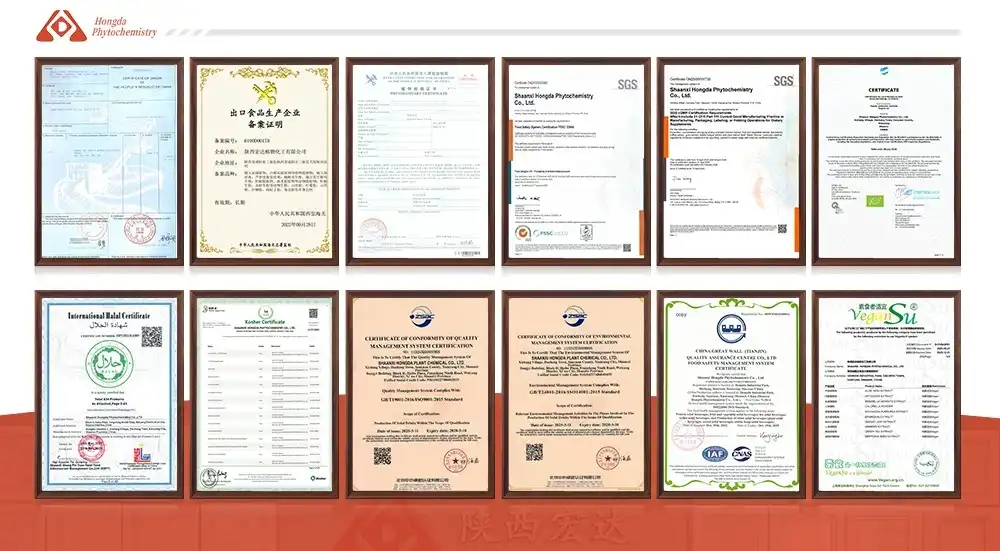
- Quality certifications
- Analytical testing
- Documentation support
- Production reliability
A dependable supplier should provide a complete Certificate of Analysis (CoA), including information related to purity, contaminants, moisture, and microbiological specifications.
These quality systems help supplement brands in reducing development risks and maintaining consistent product performance.
How Hongda Phytochemistry Supports Ingredient Reliability
Reliable botanical ingredients depend on controlled manufacturing processes and comprehensive quality management. Shaanxi Hongda Phytochemistry Co., Ltd. applies standardized production procedures and analytical testing methods to support consistent ingredient quality.
For customers developing I3C-based products, supplier support can include:
- Specification confirmation
- Sample evaluation
- Technical communication
- Documentation preparation
- Application guidance
This approach helps brands move from ingredient selection to commercial production more efficiently.
Safety, Regulatory Compliance, and Market Considerations
Understanding Dosage and Labeling Requirements
I3C supplement formulations should be developed according to regional regulations and intended product positioning. Dosage levels may vary depending on the application, target consumer group, and supporting research.
Manufacturers should consider:
- Recommended serving size
- Label requirements
- Regional supplement regulations
- Safety documentation
Working with suppliers that provide complete technical files for Indole 3 carbinol powder can simplify product registration and compliance processes.
Future Opportunities for I3C-Based Product Development
Consumer interest in plant-based wellness ingredients continues to grow, creating opportunities for I3C-containing products. Brands are exploring new delivery formats and combination formulas to meet demand for personalized nutrition solutions.
Future innovation areas may include:
- Improved delivery technologies
- Multi-ingredient women’s health formulas
- Clean-label botanical supplements
- Functional nutrition products
For ingredient buyers, suppliers with strong quality systems and formulation knowledge can provide valuable support as markets continue to evolve.
Procurement Guide: Choosing the Right Indole 3 Carbinol Powder Supplier
Assessing Supplier Capability Before Purchase
Before selecting an I3C supplier, procurement teams should review:
- Manufacturing experience
- Quality management systems
- Testing capabilities
- Supply capacity
- Customization options
Requesting samples and reviewing technical documents before bulk purchasing can help verify ingredient suitability.
Building Long-Term Supply Partnerships
Long-term supplier relationships provide advantages beyond ingredient availability. Technical support, consistent specifications, and responsive communication help brands maintain product quality during expansion.
For companies developing botanical supplements with Indole 3 carbinol powder, choosing a supplier that understands both ingredient science and commercial requirements can improve efficiency and reduce formulation challenges.
Conclusion
Indole-3-carbinol powder is now a popular plant-based ingredient used in many goods for women's health and hormone balance support. Because it comes from nature, works with oestrogen metabolism pathways, and can be mixed with other ingredients, it is a good choice for current nutritional uses.
It's not just the price of the ingredients that makes I3C buying work for B2B buyers. Long-term success of a product depends on many things, such as quality control, regulatory documentation, supply reliability, and technical support. Brands can make sure their products are uniform and of high quality by working with experienced suppliers like Hongda Phytochemistry. This helps them meet the growing demand from customers for plant nutrition solutions that are based on science.
FAQ
1. How does I3C powder differ from eating cruciferous vegetables?
I3C is found in broccoli and other vegetables together with fiber, vitamins, and other phytonutrients, but supplementary Indole-3-Carbinol Powder gives concentrated levels that would necessitate eating too many veggies daily. Clinical investigations investigating metabolic effects use 200-400 mg of I3C or 500-1000 mg of raw broccoli. Standardized powder forms supply phytochemicals regardless of vegetable species, growing circumstances, or preparation procedures, which might affect natural I3C levels.
2. What storage conditions preserve I3C bioactivity?
Protecting indole-3-carbinol powder from moisture, light, and high temperatures maintains chemical stability. Sealed containers in climate-controlled surroundings below 25°C with relative humidity under 60% are best for storage. Pharmaceutical-grade I3C kept properly lasts 24 months, but monthly testing ensures active content preservation. Hongda's double-layer PE bags in desiccated fiber drums protect products during international shipment and warehouse storage.
3. Can I3C be combined with other hormone-supporting ingredients?
I3C works well with complementary estrogen metabolism and hormonal balance substances. DIM, calcium D-glucarate, and vitamin B6 or magnesium are common synergistic combinations for metabolic pathway support, estrogen removal, and endocrine function. Formulation scientists should examine ingredient compatibility, especially in moisture-sensitive powder blends or liquid delivery systems where chemical interactions might shorten shelf life.
Partner with HONGDA for Premium Indole-3 Carbinol Powder Supply
Shaanxi Hongda Phytochemistry provides pharmaceutical-grade Indole 3 Carbinol Powder with cGMP, FSSC22000, HALAL, KOSHER, and organic certifications. Our vertically integrated supply chain, from controlled cultivation to sophisticated extraction and quality verification, assures worldwide batch-to-batch uniformity and regulatory compliance. We offer formulation advice, stability testing data, and tailored OEM/ODM services as an Indole 3 Carbinol Powder producer with over two decades of botanical extract experience. Our SGS-certified laboratory and 3,000-ton yearly manufacturing capability provide a consistent supply for rising brands and international enterprises. To discuss I3C requirements, certificates of analysis, or unique extraction parameters for your formulation goals, contact our technical team at duke@hongdaherb.com.
References
1. Bradlow, H.L., Sepkovic, D.W., Telang, N.T., Osborne, M.P. "Multifunctional Aspects of the Action of Indole-3-Carbinol as an Antitumor Agent." Annals of the New York Academy of Sciences, 1999.
2. Auborn, K.J., Fan, S., Rosen, E.M., Goodwin, L., Chandraskaren, A., Williams, D.E., Chen, D., Carter, T.H. "Indole-3-Carbinol is a Negative Regulator of Estrogen Receptor Signaling in Human Tumor Cells." Journal of Nutrition, 2003.
3. Michnovicz, J.J., Bradlow, H.L. "Altered Estrogen Metabolism and Excretion in Humans Following Consumption of Indole-3-Carbinol." Nutrition and Cancer, 1991.
4. Reed, G.A., Peterson, K.S., Smith, H.J., Gray, J.C., Sullivan, D.K., Mayo, M.S., Crowell, J.A., Hurwitz, A. "A Phase I Study of Indole-3-Carbinol in Women: Tolerability and Effects." Cancer Epidemiology, Biomarkers & Prevention, 2005.
5. Bell, M.C., Crowley-Nowick, P., Bradlow, H.L., Sepkovic, D.W., Schmidt-Grimminger, D., Howell, P., Mayeaux, E.J., Tucker, A., Turbat-Herrera, E.A., Mathis, J.M. "Placebo-Controlled Trial of Indole-3-Carbinol in the Treatment of CIN." Gynecologic Oncology, 2000.
6. Weng, J.R., Tsai, C.H., Kulp, S.K., Chen, C.S. "Indole-3-Carbinol as a Chemopreventive and Anti-Cancer Agent." Cancer Letters, 2008.