


_1745918362135.webp)

Can Diindolylmethane Powder Improve Hormonal Balance?
Through estrogen metabolism regulation, diindolylmethane powder from cruciferous vegetables affects hormonal balance. Shanxi Hongda Phytochemistry Co., Ltd. sells standardised botanical ingredients to supplement, nutraceutical, and functional food companies all over the world. Diindolylmethane powder is used by many companies to make women's health and hormone-support products because it comes from natural sources, and researchers are interested in how oestrogen is processed. DIM comes from cruciferous vegetables like broccoli, kale, and cauliflower. It can be used in many ways by companies that want to use plant-based ingredients that people already know and like. When B2B buyers look for a trusted DIM provider, they need to think about the quality of the ingredients, scientific tests, legal paperwork, and the reliability of the supply over the long term.
Understanding Diindolylmethane Powder and Its Relationship With Hormone Metabolism
Natural Origin and Key Characteristics of DIM
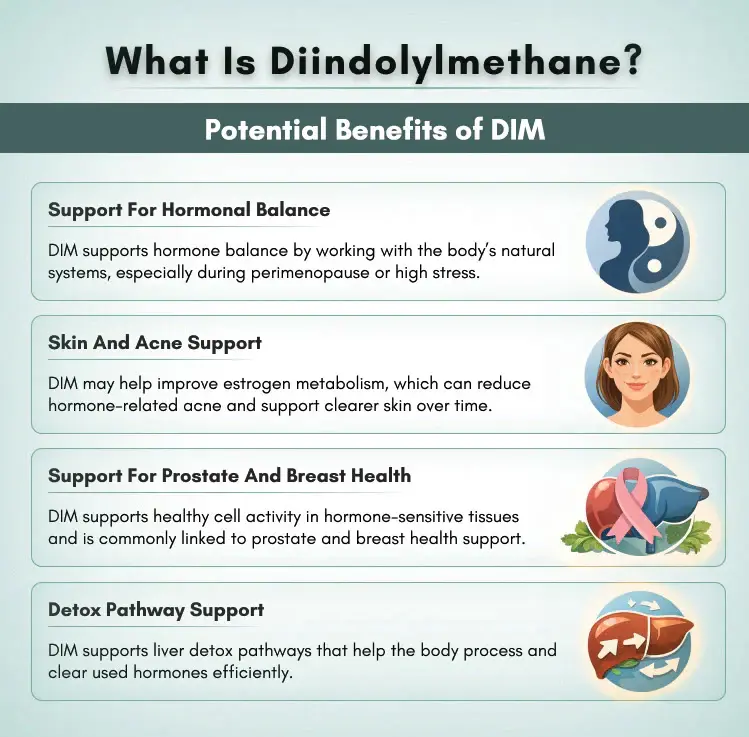
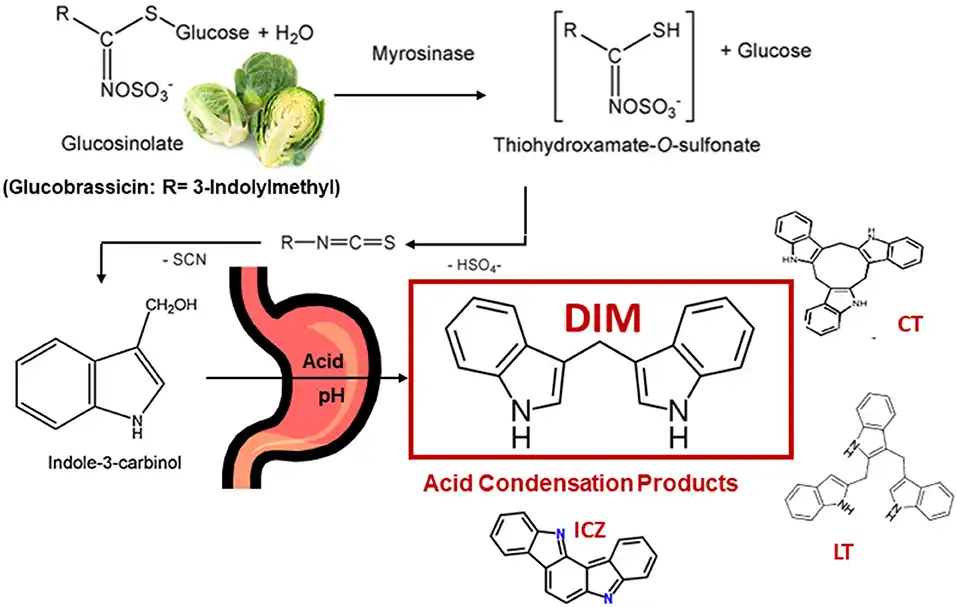
DIM is a naturally occurring chemical that is made from indole-3-carbinol (I3C), which is found in cruciferous veggies. The stomach's acidity can change I3C into DIM and other chemicals that are similar while it breaks down food.
Nutraceutical companies that are making goods for women's health, healthy ageing, and living nutrition are interested in DIM because it has something to do with plant-based nutrition.
To make high-quality diindolylmethane powder, you have to carefully watch over the raw materials you use, how they are extracted, how they are cleaned, and how the quality is checked. Processing in the same way every time helps keep the expected active compound profile needed for business supplement uses.
How DIM Supports Estrogen Metabolism Research
Many molecular processes are involved in oestrogen metabolism, which affects how oestrogen molecules are broken down in the body. DIM has been studied because it might have something to do with the balance of oestrogen metabolites, especially routes that involve hydroxylation reactions.
Studies show that DIM might change the way some oestrogen products are distributed, such as the routes that are involved in making 2-hydroxyestrone. Responses can be different, though, based on the person, the dose, the type of composition, and their general nutritional state.
Understanding these mechanisms helps people who make products make formulas that work better for specific people. To make complete health products, DIM is often mixed with other ingredients that work well together, like calcium D-glucarate, botanical extracts, vitamins, or minerals.
Key Benefits and Application Potential of DIM Powder in Nutraceutical Products
Supporting Women’s Wellness Formula Development
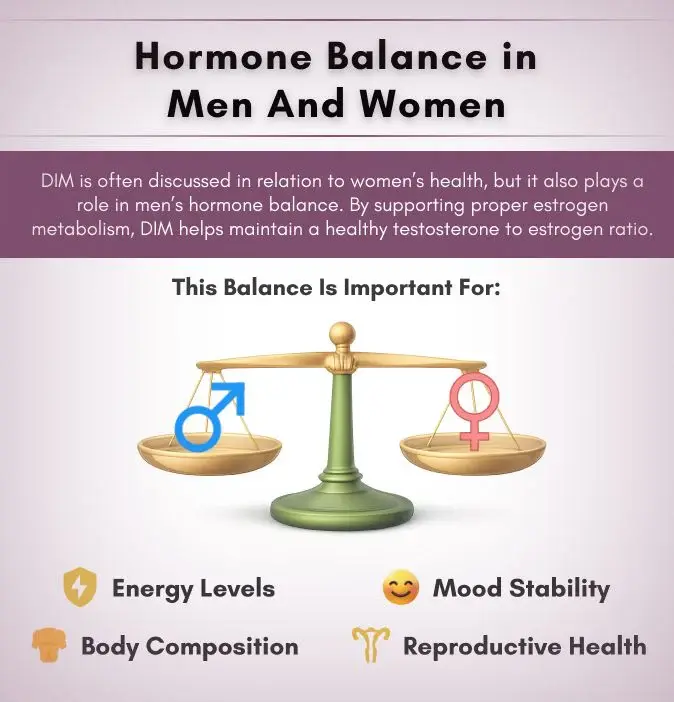
Women's health supplements are one of the main ways that diindolylmethane powder is used. Some brands use DIM in products that are meant to support hormone balance and promote plant-based health.
Some common product ideas are:
- Daily health supplements for women
- Formulas for healthy ageing
- Blends that help hormones
- Plant-based combination goods
More people want botanical actives like DIM because they like clean labels and ingredients that come from nature. DIM gives companies a chance to make unique goods that blend science study with things that people already know and like.
Combining DIM With Complementary Ingredients
DIM is often mixed with other ingredients to make formulations that can do more than one thing. Some common combos are:
- Calcium D-glucarate helps the body's normal biochemical processes
- Green tea polyphenols for recipes that focus on antioxidants
- Women's health products with vitamin E and other nutrients
- Plant-based extracts for customised nutrition plans
Combination strategies let brands make products that offer more benefits to a wider range of customers and market groups.
Formulation Considerations When Using Diindolylmethane Powder
Selecting the Right Delivery Format
The usefulness of a plant ingredient depends on both the ingredient itself and how it is mixed with other ingredients. DIM can be used in a number of different product forms, such as:
- Tablets and capsules
- Mixes of powder
- Supplements made just for you
During growth, companies should think about:
- Compatibility of ingredients
- How powder moves through space
- Stability while being stored
- Thoughts on taste and other senses
- Needs for manufacturing
Working with a skilled seller of ingredients can help brands figure out what they need before they start making a lot of them.
Quality Factors That Influence Product Consistency
The quality of ingredients has a direct effect on how well a finished product works. Teams that buy things should think about:
- The amount of active compounds
- Testing for purity
- Safety from microbes
- A look at heavy metal
- Consistency from batch to batch
A trustworthy supplier should give you all the paperwork you need, like quality standards and Certificates of Analysis (CoA). The quality control processes at Shaanxi Hongda Phytochemistry Co., Ltd. are meant to help the uniform production of plant ingredients by standardising processing and checking the results analytically.
Comparing Diindolylmethane Powder With Other DIM Ingredient Options
Powder Ingredients Versus Finished Capsule Products
When supplement makers buy diindolylmethane powder in bulk instead of finished pills, they get more benefits.
When brands use powder products, they can:
- Change the dose levels
- Mix DIM with other powerful substances
- Create different ways to deliver
- Cut down on labour costs
Bulk powder gives contract manufacturers and private-label brands more options when they are making new products.
DIM Compared With Indole-3-Carbinol (I3C)
DIM and I3C are closely related compounds derived from cruciferous vegetables. I3C can convert into DIM during digestion, while direct DIM supplementation provides the active compound in a more immediate form.
The choice between DIM and I3C depends on:
- Product positioning
- Desired ingredient profile
- Stability requirements
- Target consumer preferences
Formulators should evaluate the characteristics of each ingredient when designing hormone-support products.
Quality Standards and Supplier Evaluation for DIM Powder Procurement
Essential Documentation for B2B Buyers
Selecting a DIM supplier requires careful evaluation of quality systems and documentation. Important considerations include:
- Manufacturing standards
- Testing methods
- Traceability systems
- Regulatory support
- Production capability
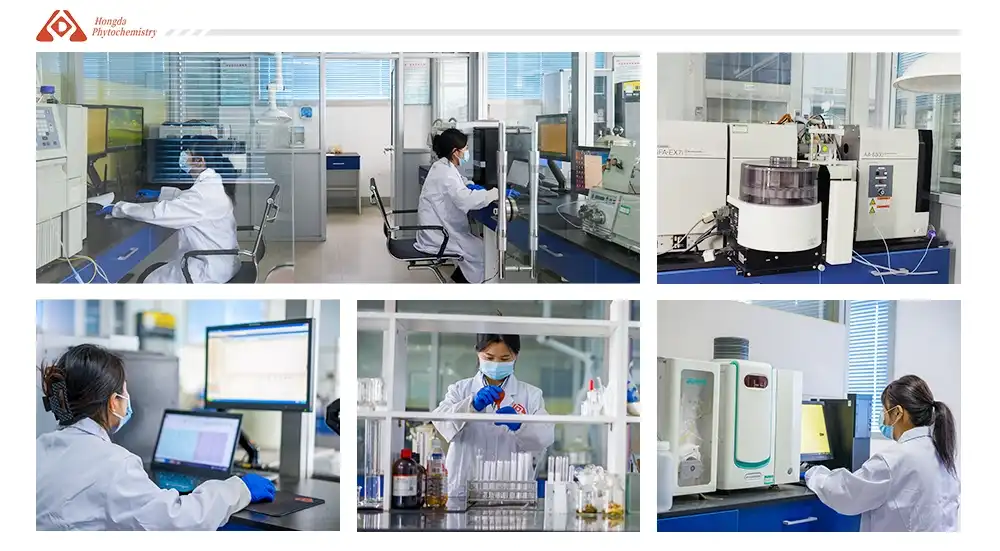
Analytical methods such as HPLC testing help verify ingredient identity and consistency. Complete documentation allows brands to confidently evaluate raw materials before commercial use.
Building Reliable Supply Partnerships
A strong supplier relationship provides benefits beyond ingredient delivery. Technical communication, documentation support, and consistent production help reduce development risks.
When choosing a supplier, procurement teams should consider:
- Sample evaluation procedures
- Production capacity
- Packaging options
- Lead times
- Technical assistance
Hongda Phytochemistry supports customers through ingredient specification discussions, quality documentation, and formulation-related communication to help streamline product development.
Regulatory and Market Considerations for DIM-Based Products
Supporting Compliance Through Quality Management
Regulatory requirements for botanical ingredients like diindolylmethane powder vary by region. Manufacturers should confirm applicable requirements for their target markets before launching DIM-containing products.
Important compliance considerations include:
- Ingredient documentation
- Label requirements
- Safety information
- Import regulations
- Quality records
Suppliers with strong documentation systems can help brands respond more efficiently to regulatory requests.
Future Opportunities in Botanical Wellness Markets
Consumer interest in plant-based wellness continues to expand, creating new opportunities for DIM-containing products. Brands are exploring innovative delivery formats and combination formulas to meet demand for personalized nutrition.
Potential growth areas include:
- Women’s wellness supplements
- Clean-label botanical formulas
- Personalized nutrition products
- Functional health blends
For procurement teams, partnering with suppliers that combine botanical expertise and manufacturing reliability can support long-term product innovation.
How to Choose a Reliable Diindolylmethane Powder Supplier
Evaluating Supplier Capability Before Purchasing
Before placing bulk orders, manufacturers should review:
- Product specifications
- Testing reports
- Manufacturing experience
- Quality certifications
- Supply reliability
Requesting samples and reviewing technical documents can help confirm whether the ingredient meets formulation requirements.
Supporting Long-Term Product Development
Often, vitamin brands need more than just raw materials to be successful. They need providers who can provide regular products, good contact, and help with technology issues. A reliable DIM supplier can help companies keep their products consistent, make development more efficient, and adapt quickly to changing market needs.
Conclusion
Diindolylmethane powder is now a popular plant-based ingredient used by companies to make hormone-supporting and women's wellness products. Its natural plant source, link to oestrogen metabolism studies, and ability to work with mixture recipes make it a good choice for current nutritional uses. For business-to-business buyers, good DIM sourcing relies on checking the quality of the ingredients, the dependability of the seller, the paperwork, and the technical support. Brands can make sure their botanical products are consistent and meet the quality standards of supplement markets around the world by working with experienced suppliers like Hongda Phytochemistry.
FAQ
1. What daily intake amount of DIM powder supports hormonal balance in supplement formulations?
Clinical trials often test doses between 100 mg and 300 mg daily, with 200 mg being a popular formulation target between efficacy and cost. Dosing should include demography, complementing ingredients, and health positioning. Our technical staff advises on formulation using research and market data.
2. How can buyers verify DIM powder purity and authenticity?
Request batch-specific Certificates of Analysis using HPLC fingerprinting, UV spectroscopy against authenticated reference standards, and mass spectrometry. Independent lab testing provides verification. Every shipment from Hongda Phytochemistry includes analytical paperwork and sample retention for quality checks.
3. What shelf stability can formulators expect from properly stored DIM powder?
Pharmaceutical-grade diindolylmethane powder lasts over 24 months at temperatures below 25°C and relative humidity under 60%. Our ICH-compliant stability experiments evaluate potency degradation, moisture absorption, and microbiological stability in real-time and accelerated circumstances. Moisture-barrier fibre drums with desiccant enhance shelf life.
Partner with HONGDA for Premium Diindolylmethane Powder Supply Solutions
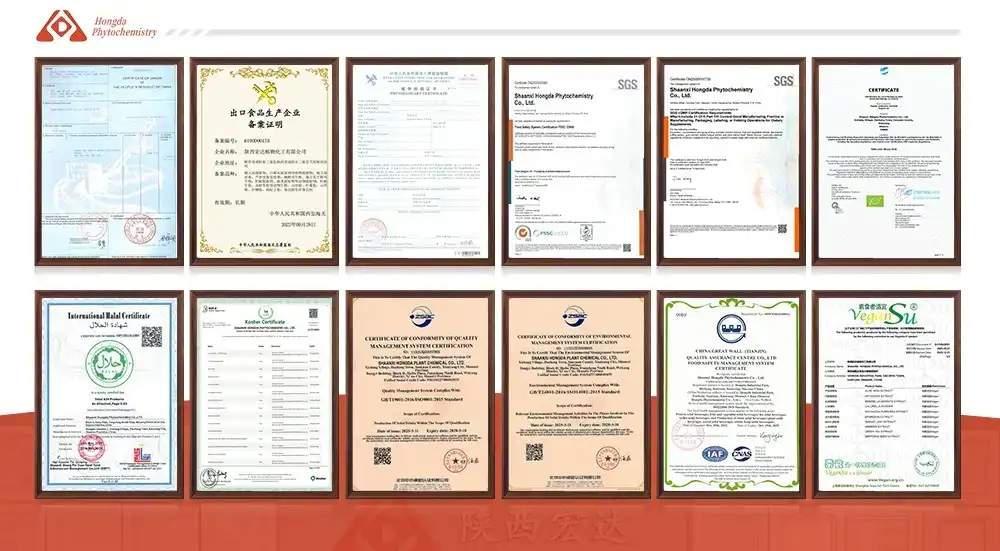
Shaanxi Hongda Phytochemistry Co., Ltd. offers excellent Diindolylmethane Powder providers for B2B procurement teams. Our vertically integrated operations, from dedicated planting bases to accredited production facilities, assure botanical extract industry-leading ingredient traceability and quality. We satisfy worldwide regulatory criteria as a high-tech company with cGMP, FSSC 22000, ISO, HALAL, KOSHER, and organic certifications. Pharmaceutical-grade quality is guaranteed at our 20,000-square-meter production site with 100,000-level purification operations and SGS-standardized laboratories. For formulation needs, samples with comprehensive analytical documentation, and tailored OEM solutions to promote your hormone health products, contact our procurement specialists at duke@hongdaherb.com.
References
1. Bradlow HL, Michnovicz JJ, Halper M, Miller DG, Wong GY, Osborne MP. Long-term responses of women to indole-3-carbinol or a high fibre diet. Cancer Epidemiology, Biomarkers & Prevention. 1994;3(7):591-595.
2. Dalessandri KM, Firestone GL, Fitch MD, Bradlow HL, Bjeldanes LF. Pilot study: effect of 3,3'-diindolylmethane supplements on urinary hormone metabolites in postmenopausal women with a history of early-stage breast cancer. Nutrition and Cancer. 2004;50(2):161-167.
3. Auborn KJ, Fan S, Rosen EM, Goodwin L, Chandraskaren A, Williams DE, Chen D, Carter TH. Indole-3-carbinol is a negative regulator of estrogen. Journal of Nutrition. 2003;133(7):2470S-2475S.
4. Thomson CA, Ho E, Strom MB. Chemopreventive properties of 3,3'-diindolylmethane in breast cancer: evidence from experimental and human studies. Nutrition Reviews. 2016;74(7):432-443.
5. Rajoria S, Suriano R, Parmar PS, Wilson YL, Megwalu U, Moscatello A, Bradlow HL, Sepkovic DW, Geliebter J, Schantz SP, Tiwari RK. 3,3'-Diindolylmethane modulates estrogen metabolism in patients with thyroid proliferative disease: a pilot study. Thyroid. 2011;21(3):299-304.
6. Zeligs MA, Brownstone PK. Diindolylmethane (DIM): a nutritional intervention for estrogen-related cancers and conditions. Journal of Medicinal Food. 2015;18(12):1263-1272.

_1752048008217.webp)