


_1745918362135.webp)

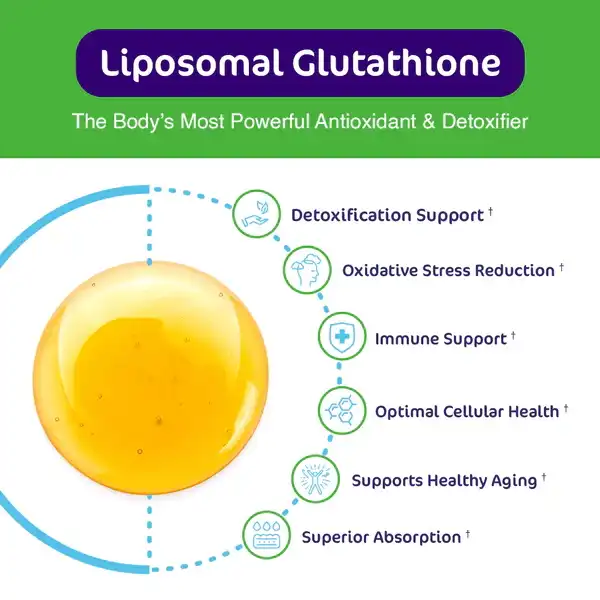
The push for functional nutrition manufacturers to prove their solutions truly offer quantifiable outcomes is relentless, and it’s frequently initially felt at the antioxidant ingredient level. Liposomal Glutathione Powder is the perfect choice for product creators who require an active ingredient that is stable throughout processing, dissolves well, and operates consistently for the end user. To overcome these formulation challenges, Hongda Phytochemistry (Shaanxi Hongda Phytochemistry Co., Ltd.) developed a liposomal manufacturing line with nano-encapsulation to preserve glutathione during digestion and increase its bioavailability. For manufacturers formulating immune support blends, recovery formulae, or cognitive wellness products, that difference in performance is frequently the determining factor between an ingredient that looks good on a spec sheet and one that delivers in a final product.[2][5]
The Formulation Challenge Functional Nutrition Brands Face With Glutathione
Why Does Absorption Determine Product Performance?
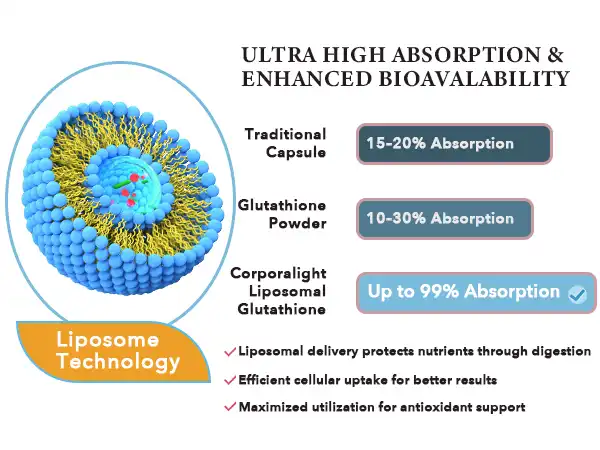
Glutathione has been known as the body’s master antioxidant for a long time, but product developers have been plagued for years by a fundamental obstacle: normal glutathione is swiftly broken down by stomach acid and digestive enzymes before appreciable levels ever enter systemic circulation. This barrier to absorption has reduced the effectiveness of many functional nutrition products, no matter how much raw glutathione is indicated on the label. This is precisely what liposomal glutathione powder was developed for. This is a lipid shell that protects the active ingredient from most of the digestive degradation that occurs with traditional powder, providing formulators the ability to make products that are more likely to have a dose closer to the amount that is really available for the body to utilize (as stated on the label).[1][2]
Encapsulation Efficiency and Particle Size Benchmarks
Not all liposomal substances are created equal, and where real distinctions exist in the product is the quality of encapsulation. Hongda’s Liposomal Glutathione Powder is made utilizing high-pressure homogenization that consistently provides particle sizes most known to be effective for lymphatic absorption, and encapsulation effectiveness is confirmed via TEM imaging and HPLC analysis on each batch. These criteria are key because a formulation developed with irregular particle size or low encapsulation rates would perform poorly in clinical or consumer testing; no matter how the raw glutathione content on paper appears the same as a better quality alternative. This technical consistency is what enables you to back up marketing language with genuine formulation data for functional nutrition companies making performance claims.[2]
Matching Ingredient Format to Product Type
Functional nutrition solutions are available in a wide variety of delivery modalities, and liposomal glutathione powder has to operate consistently in all of them. Capsule and tablet producers want a powder that compresses neatly and remains stable throughout the product’s shelf life, while stick-pack and powdered-drink companies want an ingredient that disperses rapidly without grit or a nasty sulfur note. Hongda’s liposomal processing meets both demands simultaneously: the encapsulation conceals the natural taste of glutathione and also enhances cold-water solubility. This versatility is also why the same basic ingredient may travel across capsules, functional drinks, and powdered nutrition mixes without a brand having to procure various raw material variations for different SKUs.[4]
Liposomal Glutathione Powder — Technical Profile
|
Item
|
Specification
|
|
Appearance
|
Off-white to light yellow powder
|
|
Loss on Drying
|
≤ 5.0%
|
|
Particle Size
|
≥ 90% through 20mesh
|
|
Bulk Density
|
Measured value
|
|
Tapped Bulk Density
|
Measured value
|
|
Lead
|
≤ 0.5ppm
|
|
Arsenic
|
≤ 2.0ppm
|
|
Cadmium
|
≤ 0.3ppm
|
|
Mercury
|
≤ 0.3ppm
|
|
Total Plate Count
|
≤ 10000cfu/g
|
|
Yeasts&Molds
|
≤ 1000cfu/g
|
|
Coliforms
|
≤ 10MPN/g
|
|
E.Coli
|
Negative/25g
|
|
Salmonella
|
Negative/25g
|
|
Staphylococcus Aureus
|
Negative/25g
|
|
Fatty Acids
|
10.0%-20.0%
|
|
Phospholipids (NON-GMO)
|
10.0%-20.0%
|
|
Glutathione
|
65.0%-75.0%
|
Where Liposomal Glutathione Powder Fits Across Functional Nutrition Categories?
Immune and Cellular Health Supplements
Glutathione plays an essential role in the immune system and cellular detoxification, which is why it is a natural addition to supplements for overall health and resilience. It’s one of the body’s most common intracellular antioxidants, helping to neutralize free radicals and aiding the liver in processing toxins. That’s why it is included as a major active in so many immunological and cellular health regimens. Liposomal glutathione powder helps these recipes by making sure more of the active molecule gets through digestion undestroyed, allowing cells greater access to the antioxidant reserve needed when stressed, sick, or exposed to high levels of toxins. People who are creating a daily wellness capsule or a seasonal immune mix will typically pick the liposomal version since it allows for a lower dosage that is more powerful but achieves the same effect.[1][5]
Sports Nutrition and Recovery Formulas
Heavy physical exercise creates considerable oxidative stress, and athletes have become one of the fastest-growing customer sectors for antioxidant supplements. The usage of liposomal glutathione powder has become more common in post-workout recovery blends and endurance formulae because of its capacity to better cope with oxidative stress caused by exercise than regular powder forms. The liposomal form increases systemic absorption, allowing sports nutrition firms to add the substance into recovery products without increasing serving sizes or capsule counts. This is especially essential for stick-pack and ready-to-mix recovery beverages, where product manufacturers require liposomal ingredients wholesale that dissolve cleanly into cold liquid and yet deliver a substantial physiological benefit after vigorous exercise.[3]
Functional Beverages and Powdered Drink Mixes
The functional beverage industry is growing quickly, and antioxidant-forward beverages are some of the most competitive areas. Liposomal glutathione powder fits this format well, since the encapsulation helps maintain the substance stable over time in a liquid solution, something conventional glutathione powder suffers from. The taste-masking effect of the phospholipid coating is also a boon for beverage formulators, since it allows for the inclusion of glutathione without the sulphurous undertones that have traditionally restricted its usage in flavoured beverages. For companies in the space of daily wellness shots, detox drinks, or antioxidant-enhanced waters, liposomal delivery offers real-world benefits, including stability and flavor compatibility that are more of a need than an added luxury.
Cognitive Health and Everyday Wellness Blends
Cognitive tiredness and mental cloudiness are now linked to oxidative stress, and more brain health firms are considering the use of antioxidants with conventional nootropic chemicals. Liposomal glutathione powder is typically combined with other actives for cognitive health in daily wellness mixes, since increased cellular antioxidant status may enhance formulae meant to boost attention and mental vigor. The liposomal structure enables excellent absorption at modest levels, allowing it to be used in multi-ingredient capsules without displacing other active ingredients. More and more brands are approaching glutathione as a base antioxidant layer, not a siloed add-on component, when they begin to develop daily nootropic stacks or general health mixes.[6]
Inside Hongda's Manufacturing System for Liposomal Ingredients
From Raw Material Traceability to Finished Powder
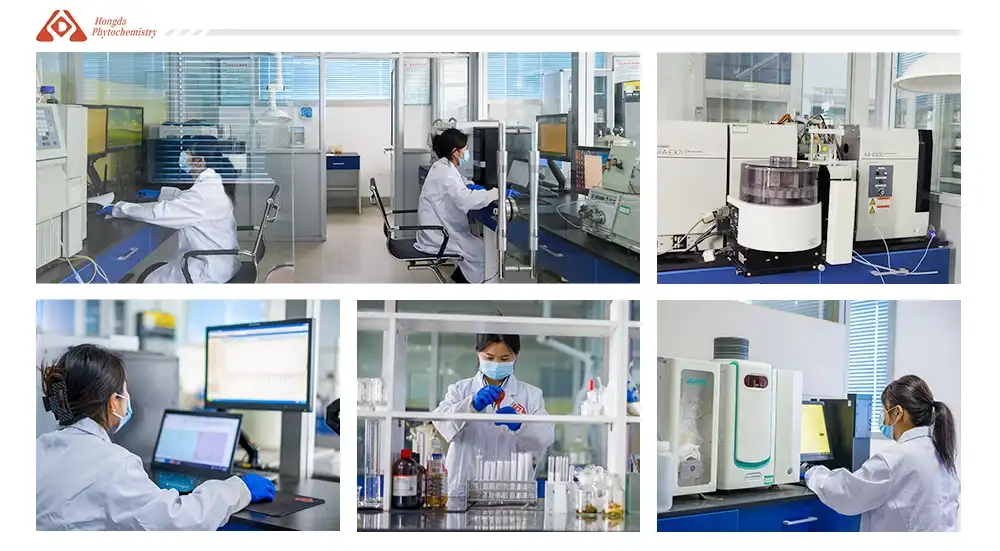
Consistent end product quality begins well before encapsulation begins. Shaanxi Hongda Phytochemistry Co., Ltd. has its own planting bases and has competent agronomists to manage planting. The firm can track back to the source of raw materials, not to third-party suppliers. Liposomal Glutathione Powder may be manufactured in a controlled environment, from the raw glutathione to the completed encapsulated ingredient, in a 20,000-square-meter manufacturing plant that has over ten contemporary lines and 100,000-level purification workshops. This level of vertical control is a key distinction for functional nutrition firms worried about supply chain transparency vs. vendors that simply re-package material from unknown third parties.
The firm has two dedicated R&D institutes with more than 20 experienced researchers from universities and scientific institutions all around the country, devoted to improving encapsulation processes and expanding the liposomal product range beyond glutathione alone. This ongoing investment in research ensures the same quality systems that are used for liposomal glutathione powder are implemented throughout Hongda’s entire catalogue, providing functional nutrition brands confidence that a vendor selected for one ingredient will most likely meet the same standard when a formulation later calls for additional liposomal actives.
Testing Protocols That Back Every Batch
Hongda has jointly developed its SGS-standardized laboratory with university researchers and has more than 20 professor-level R&D and testing personnel and high-performance liquid chromatographs, spectrophotometers, and other analytical instruments needed to confirm ingredient quality. As a glutathione scavenger wholesaler in China, Hongda ensures that all batches of liposomal glutathione powder are tested for active content, particle structure, pesticide residues, heavy metals, and microbiological safety before shipping, with documentation provided to support a brand’s own regulatory filings. One of the reasons functional nutrition companies sourcing from Hongda have fewer quality surprises when transitioning from formulation to finished product is because the testing infrastructure has already been validated against international standards before it ever gets to the customer’s facility.
Certifications Opening Doors to New Markets
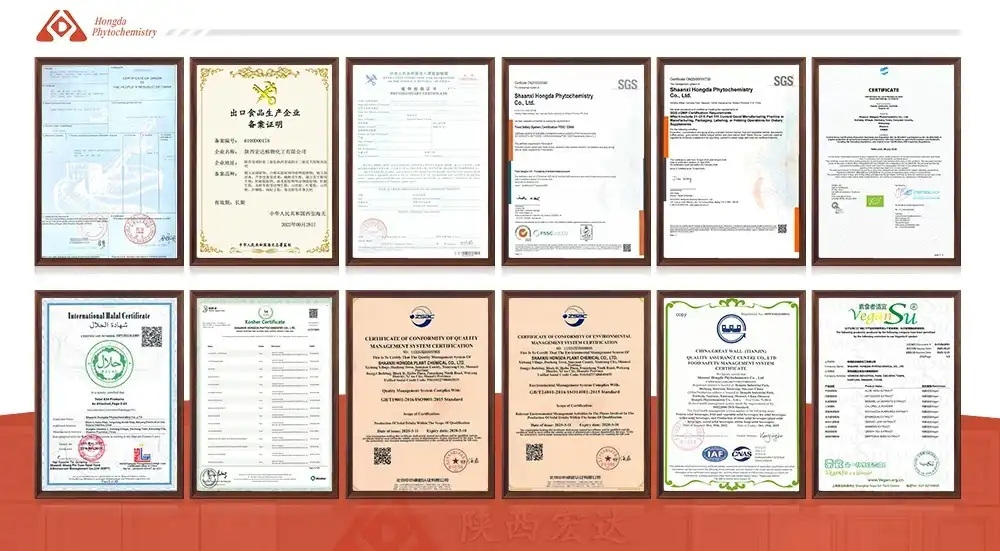
Since 2001, Shaanxi Hongda has created an extensive certification foundation, including national high-tech enterprise, food production and feed additive licenses, halal and kosher certification, BRC, FDA registration, and organic certification. In 2025, the firm added cGMP, FSSC22000, SC certification, ISO22000, ISO9001, EU organic and NOP organic certification, and numerous additional national patents. For functional nutrition brands expanding into the United States or Europe, these certifications provide the documentation that regulators and retail partners are increasingly requiring before a new antioxidant ingredient can be added to a product line, reducing friction during both import clearance and retail compliance review.
|
Period
|
Certifications Obtained
|
|---|---|
|
2001–2026
|
National High-Tech Enterprise, Food Production License, Halal, Kosher, BRC, FDA, Organic
|
|
2026
|
cGMP, FSSC22000, SC Certification, ISO22000, ISO9001, Organic (EU), Organic (NOP)
|
For functional nutrition brands evaluating a long-term liposomal ingredient supplier, reviewing manufacturing capabilities, testing systems, and supply chain reliability is only the first step. Before moving from formulation trials to commercial purchasing, sourcing teams can communicate directly with Hongda’s technical specialists to confirm product specifications, request COA documentation, discuss customization options, or arrange sample evaluations. Contact the Hongda technical sales team at duke@hongdaherb.com to receive professional support for your Liposomal Glutathione Powder project and ensure that your ingredient selection matches your product development goals.
Building a Reliable Supply Chain for Functional Nutrition Brands
Why Brands Choose Liposomal Ingredients Wholesale Partnerships?
For functional nutrition firms looking to launch numerous products over time, this kind of sourcing on a project-by-project basis often doesn't work, which is why many companies choose wholesale agreements for liposomal components rather than one-off purchases. Brands benefit from more predictable pricing, priority production scheduling, and continuous access to updated technical documentation as formulas develop when they partner directly with a manufacturer that manufactures liposomal glutathione powder at scale. Hongda backs this model with thousands of tons of annual capacity across its ingredient portfolio and more than 150 workshop technicians that ensure consistency from one production run to the next—which matters a great deal once a brand moves beyond a single pilot SKU into a full product line.
What to Expect From a glutathione scavenger wholesaler in China?
For the first time, when a buyer thinks about a glutathione scavenger wholesaler in China, they should anticipate more than a price per kilogram quotation. A good partner will provide thorough analytical documentation, clear testing procedures, and prompt technical assistance throughout the sourcing relationship, not only at the time of sale. Buyers benefit from Hongda’s lab-tested and export-experienced knowledge of nutraceutical, cosmeceutical, and functional food brands throughout the world and have a deeper understanding of what they are buying before the product leaves the factory. Those companies who elect to bypass this investigation will frequently find quality disparities after a product has been released, which is a far more expensive issue to solve than verifying documentation up front.
Scaling from Pilot Batch to Commercial Volume
One of the most practical benefits of collaborating with an established liposomal company is the ease of scaling up from initial testing to full commercial production. With a minimum order quantity of 1 kg, Hongda enables functional nutrition brands to try out liposomal glutathione powder in a real formulation before ordering in bulk. The company’s warehouse is divided into six dedicated storage zones, supporting consistent fulfillment once a product moves into regular reorder cycles. This tiered strategy decreases the financial risk of introducing a new active ingredient, since companies may validate performance, taste, and stability at a modest scale before committing to the massive purchase orders often required for a successful product launch.
Conclusion
Liposomal Glutathione Powder offers functional nutrition companies a true performance edge over regular glutathione, boosting absorption in capsules, drinks, and powdered mixes. This ingredient is backed by Hongda Phytochemistry’s thorough testing, increasing certification portfolio, and production scale designed for long-term relationships. Companies interested in improving their antioxidant formulas could contact Hongda to talk about specifications for their upcoming product launch.
FAQ
1. Why is liposomal delivery better than standard glutathione for functional products?
Encapsulation protects the active compound from digestive breakdown, allowing significantly more glutathione to reach systemic circulation.
2. Can this ingredient be used in beverages without affecting taste?
Yes, the phospholipid coating masks glutathione's natural sulfur taste and improves solubility in cold liquids.
3. What concentrations are available for formulation?
Hongda offers liposomal glutathione powder in concentrations ranging from 50% to 70%, customizable to project needs.
4. Is the ingredient suitable for sports nutrition products?
Yes, it is widely used in recovery and endurance formulas to help manage exercise-induced oxidative stress.
Partner With HONGDA for Liposomal Glutathione Powder Supply| Liposomal glutathione powder suppliers
If your team is developing immune, recovery, cognitive, or general wellness products, Hongda Phytochemistry can supply pharmaceutical-grade Liposomal Glutathione Powder backed by full technical documentation and an expanding international certification portfolio. From 1 kg trial orders to full commercial volumes, HONGDA's team can help align specifications, packaging, and lead times with your product roadmap. Contact duke@hongdaherb.com today to request samples, COA documentation, or a formulation consultation, and give your functional nutrition line the absorption advantage it needs to compete.
References
1. Journal of Nutritional Biochemistry, research on glutathione bioavailability and antioxidant status.
2. Journal of Liposome Research: reviews on phospholipid encapsulation and nutrient delivery efficiency.
3. International Journal of Sports Nutrition and Exercise Metabolism, studies on antioxidant supplementation and exercise-induced oxidative stress.
4. Food Chemistry: research on flavor masking and stability of encapsulated bioactive compounds in beverages.
5. Antioxidants journal, reviews on glutathione's role in cellular and immune health.
6. Nutrients journal, studies on oxidative stress, cognitive fatigue, and antioxidant supplementation.