


_1745918362135.webp)

How to Spot Fake Liposomal Iron Powder Before You Buy?
Procurement teams need to know how to spot fake liposomal iron powder before they buy it because of the high demand for this advanced iron delivery system. As a result, suppliers are selling diluted, mislabeled, or completely non-encapsulated products at prices that seem too good to be true. Hongda Phytochemistry has a good reputation as a reliable source because it deals with this issue directly. Shaanxi Hongda Phytochemistry Co., Ltd. backs up every batch of its pharmaceutical-grade liposomal iron powder with proof, testing done in-house, and a history of production that buyers can check on their own. This article talks about how to spot fake or low-quality products, what real liposomal iron powder should look and act like, and the steps any brand can take to make sure they are getting the real thing before making a bulk purchase. This way, sourcing decisions aren't just based on what a supplier says in the marketing materials. As more brands enter the market for fortified supplements and functional foods, dishonest sellers have even more reason to pass off diluted or unencapsulated iron as a premium liposomal product. Because of this, responsible buyers should do this kind of research all the time, not just when they feel like it.[1][2]
Common Red Flags That Signal Fake Liposomal Iron Powder
Unrealistic Pricing and Vague Specifications
If the price of liposomal iron powder is much lower than the market average for no clear reason, that is one of the biggest red flags. For real liposomal encapsulation to happen, you need special tools, a clean room, and good lecithin carriers, all of which add to the cost of production. When suppliers offer the ingredient for a very low price, they usually use a simple physical mix of iron and lecithin instead of liposomal encapsulation or dilute the active iron content well below what is required. If buyers don't see or can't find particle size, capsule rate, or iron content numbers, they should immediately look into the matter more. If a supplier is sure that the liposomal encapsulation is real, they will usually give you this information without being asked, since the specification is part of the reason why the cost of production is higher than for regular iron salts.[3]
Missing or Inconsistent Certificates of Analysis
Liposomal Iron Powder that is real should always come with a certificate of analysis that lists the amount of iron, particle size, moisture, and contaminants that were tested using a known method. A strong sign of a fake or unreliable product is a supplier who can't show this paperwork or who gives certificates that don't seem to be connected to the specific batch being shipped. Buyers should also look at how the certificates are formatted and the testing settings in different packages from the same seller. If they are not the same, it's likely that the paperwork is being made after the fact and not based on real lab testing.[1][4]
Absence of Verifiable Certifications
Liposomal Iron Powder makers who are real usually have certificates like cGMP, ISO22000, or FSSC22000 that can be checked on their own through the public register of the certifying body. You should be very wary of a supplier that says they have these certifications but can't give you a certificate number or whose credentials can't be found in an official database. This one proof step gets rid of a lot of bad sellers before the buyer even has to test a real sample. This makes it one of the best early screening tools out there. It only takes a few minutes of research to tell the difference between manufacturers who are really regulated and those who are using certificates that have been expired for years or were never issued properly to begin with.[6]
Reluctance to Provide Samples or Documentation
Most reputable liposomal iron powder providers will be happy to send a sample along with proof of identity before a large order is made. This is because they are sure of the quality of their product, so there is little risk in agreeing to the request. If a seller delays, avoids, or adds strange conditions to a simple sample request, it's usually a sign that their product wouldn't stand up to independent testing. In the early stages of talks with suppliers, before any lab tests are done, this reluctance is one of the most reliable signs of bad behavior that buyers see.
How Genuine Liposomal Iron Powder Should Look and Behave?Appearance and Physical Characteristics
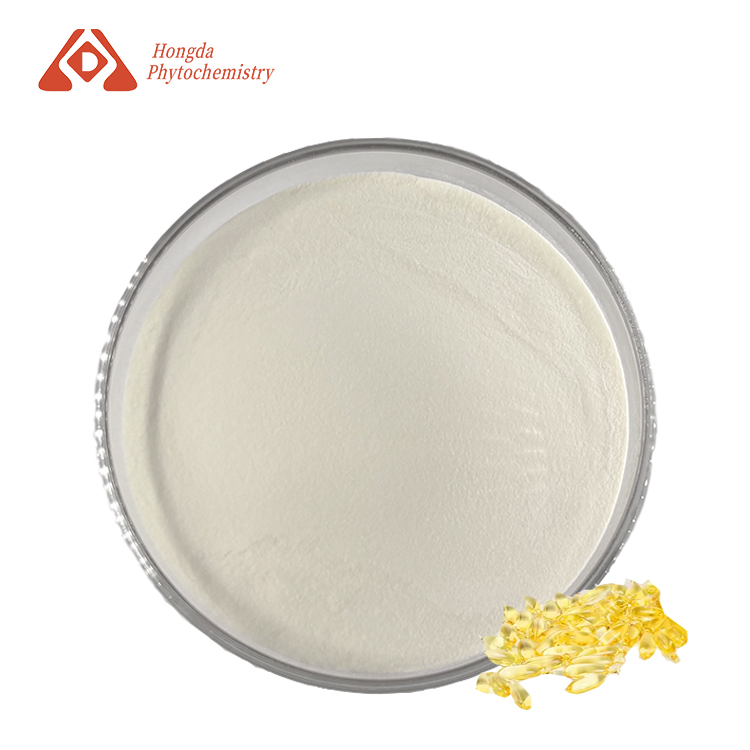
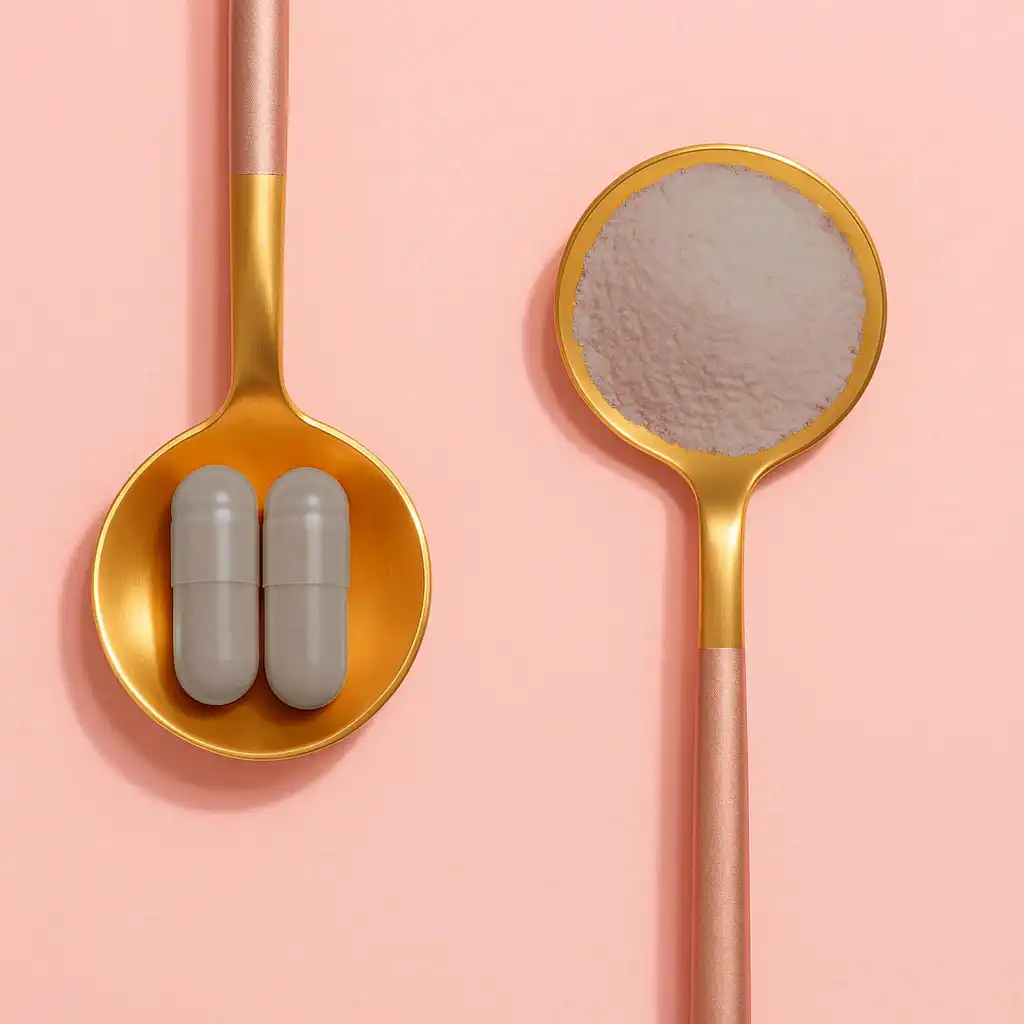
Liposomal iron powder that is real usually looks like a fine, off-white to light yellow powder that doesn't have any clumps, spots, or a strong metallic or rusty smell. The iron core is completely surrounded by a phospholipid shell, so a real liposomal product has a much milder smell than ferrous sulphate or similar iron salts that are not encapsulated. When buyers look at a sample, they should be wary of any batch that has a strong metallic smell, a rough texture, or uneven coloration. These physical traits often mean that the encapsulation isn't complete or that the iron source isn't liposomal. If possible, a simple visual and smell check should be done next to a known real sample to find clear quality problems before a professional test is even planned.[3][5]
Water Dispersibility and Solubility Behavior
Real liposomal iron powder shouldn't separate into clear layers or leave visible sediment at the bottom of a glass. Instead, it should mix smoothly with water to form a stable, mostly clear suspension. One of the easiest checks a buyer can do without lab tools is this dispersibility test. Products that clump, float unevenly, or settle quickly are probably either a simple physical mixture instead of a true enclosed liposome or a lot where the phospholipid carrier has broken down. Either way, the product was not made correctly.
Particle Size and Encapsulation Verification
A properly made lot of liposomal iron powder has particles that are between 150 and 250 nanometers in size. This can be checked using dynamic light scattering or transmission electron microscopy images, which a real maker should be able to provide upon request. Another number that you should directly ask for is the encapsulation rate, which is the percentage of iron that is actually held within liposomal cells instead of being free, exposed iron. If a supplier can't or won't share this information, they are asking buyers to believe a technical claim that can't be checked by another party.
Consistent Batch-to-Batch Performance
Instead of changing between samples, real liposomal iron powder should work the same way in all production runs, with the same iron content, particle size, and ability to disperse. Repeat buyers should keep records from earlier batches to compare with new shipments, because a supplier cutting corners after building trust can be seen as specifications slowly changing over time. This is a pattern that happens so often that buyers should be on the lookout for it all the time instead of just verifying it once.
Liposomal Iron Powder – Expected Specifications
Verification Methods Buyers Can Use Before Purchasing
Requesting Third-Party Lab Test Reports
In addition to a supplier's own proof of analysis, people who are interested in buying liposomal iron powder might want to have a sample tested by a separate, independent lab. This is especially important for bigger, first-time orders. Independent verification takes away a supplier's reason to only show positive internal data, and it gives a brand's quality team a neutral point of comparison before agreeing to a full production-scale purchase order with a new maker.
Checking CAS Number and Ingredient Identity
Making sure that a supplier's liposomal iron powder has the correct CAS number and ingredient description helps buyers stay away from products that have been mislabeled, either on purpose or because of a simple documentation error. This identity information should be checked against the certificate of analysis and any safety data sheets that come with it. This is a quick way to find mistakes that might not be seen until much later in the formulation or regulatory filing process.
Confirming Manufacturer Certifications Directly
Instead of relying on the supplier's certificate copy alone, buyers can check public certification registries or contact certifying bodies directly to make sure that a manufacturer's cGMP, ISO, or FSSC22000 credentials are up-to-date and really belong to the facility in question. This extra step doesn't take long and gives you peace of mind that a printed certificate alone can't, especially if you're working with a liposomal iron manufacturer or a liposomal iron maker you haven't worked with before.[6]
Visiting or Auditing the Production Facility
If someone wants to buy a lot of liposomal iron powder on a regular basis, an in-person or virtual facility check is still one of the best ways to make sure they are getting a good product. This is because the buyer can see the sterile conditions, equipment, and how the paperwork is done. Reach out to duke@hongdaherb.com if your brand wants to set up a facility review, get detailed technical data sheets, or just ask more questions about the product before placing an order. Hongda's technical sales team will help you figure out what to do next.
Why Sourcing from Hongda Phytochemistry Reduces Counterfeit Risk?(Where can i find reliable liposomal iron manufacturers?)
Bulk suppliers of liposomal iron products/Liposomal iron powder manufacturer
Established Manufacturing History Since 2001
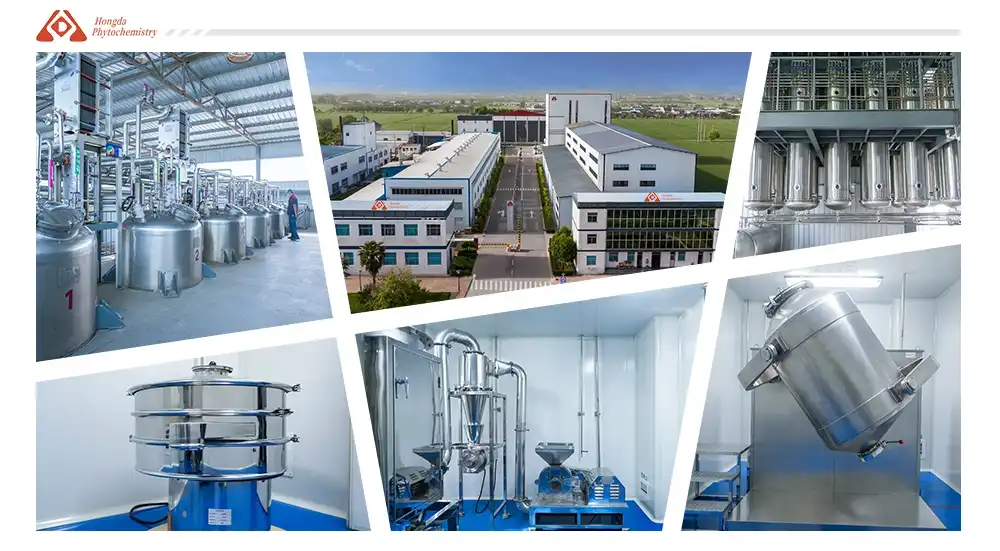
Shaanxi Hongda Phytochemistry Co., Ltd. was founded in 2001 and was named a National High-Tech Development Enterprise in 2010. This gives buyers a long history of business that can be checked on their own through business records and references from past customers. This history is important because fake or unreliable liposomal iron powder suppliers usually only stay in business for a short time and are hard to track down when there is a quality issue. On the other hand, a well-known manufacturer has both the reputation and the institutional stake to stick to the written specifications. A factory that has been open for more than 20 years and has added more production lines and certifications as it has grown has a very different risk profile than a supplier that has only been listed in a sourcing directory for a year or two.
In-House SGS-Standardized Testing
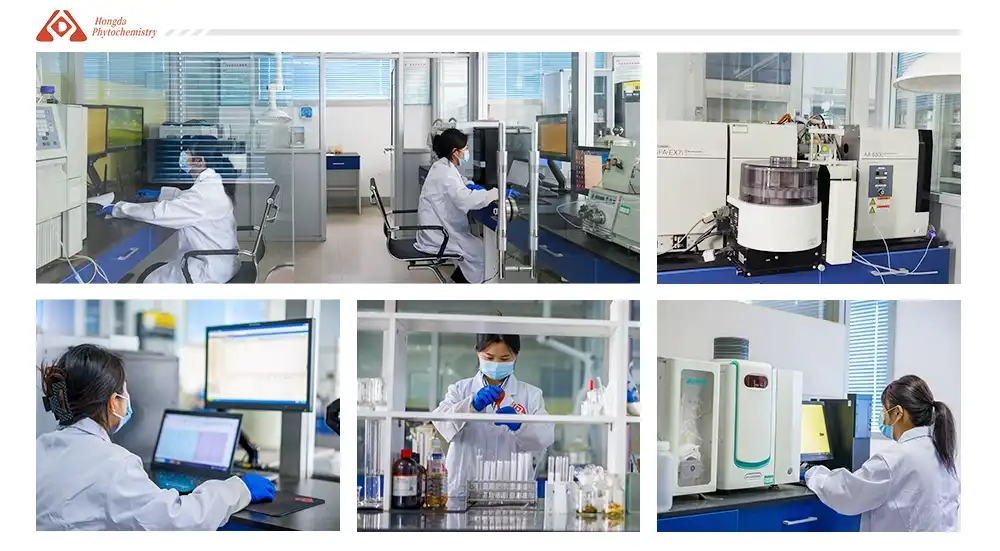
Hongda's SGS-standard laboratory, which was built with help from university researchers and is managed by more than twenty professor-level scientists, uses high-performance liquid chromatographs and atomic absorption spectrophotometers to test each lot of liposomal iron powder. This amount of in-house testing equipment isn't common among smaller or younger providers. It also lets Hongda make thorough, batch-specific documents instead of using general paperwork that counterfeiters often use for orders that aren't related.
Full International Certification Portfolio
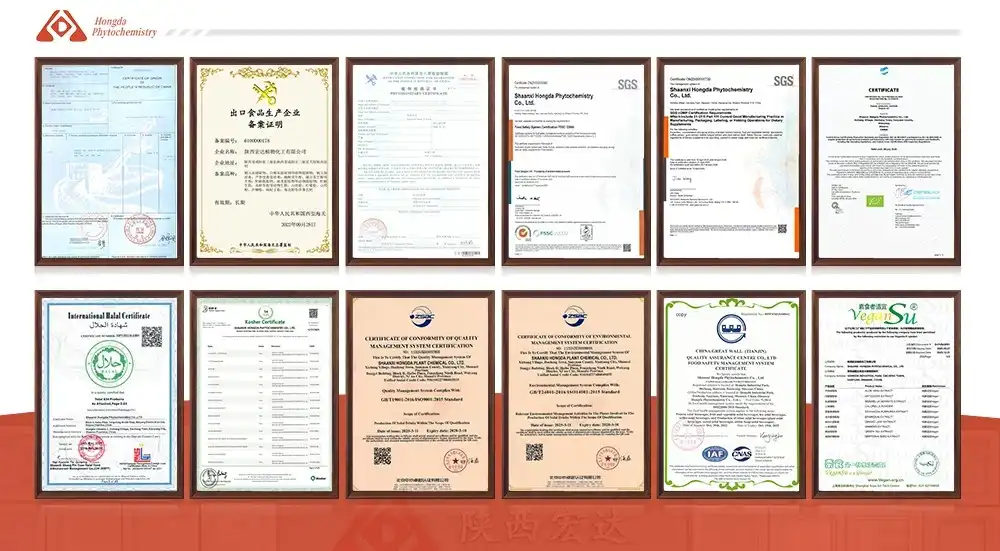
Hongda has a really complete list of certifications that buyers can check against. This list includes cGMP, FSSC22000, ISO9001, ISO22000, EU and NOP organic certification, halal, kosher, BRC, and FDA registration. Some of these certifications were just earned in 2025. This wide range of proven credentials greatly lowers the risk of getting fake liposomal iron powder from a liposomal ferric pyrophosphate provider that doesn't have the same level of third-party control.
|
Certification
|
Scope
|
|---|---|
|
cGMP
|
Current Good Manufacturing Practice
|
|
FSSC22000
|
Food Safety System Certification
|
|
ISO9001
|
Quality Management System
|
|
ISO22000
|
Food Safety Management System
|
|
Organic (EU / NOP)
|
European Union and USDA Organic Standards
|
|
Halal / Kosher
|
Religious Dietary Compliance
|
|
BRC
|
British Retail Consortium Global Standard
|
|
FDA
|
U.S. Food and Drug Administration Registration
|
Transparent Documentation and Traceability
Every supply of liposomal iron powder from Hongda can be tracked back through batch records, screening results for raw materials, and testing data for final products. This gives buyers more than just a guarantee of quality; it gives them a written chain of proof. This openness is exactly what sets a real liposomal iron manufacturer apart from suppliers whose paperwork can't stand closer examination once a brand starts asking complex technical questions.
Steps to Take If You Suspect a Fake ProductRequesting Retesting from an Independent Lab
If a batch of liposomal iron powder already in a brand's possession raises concerns, the first practical step is commissioning an independent laboratory to retest iron content, particle size, and encapsulation rate against the original certificate of analysis. Discrepancies between the independent results and the supplier's paperwork provide concrete evidence to raise with the supplier directly or, if necessary, escalate through a formal dispute process.
Comparing Against Verified Manufacturer Specifications
Buyers should compare any suspicious results against published specifications from an established, verifiable liposomal ferric pyrophosphate supplier and liposomal iron manufacturer to understand how far a questionable batch has deviated from expected performance. This comparison also helps clarify whether the issue reflects outright counterfeiting or simply inconsistent quality control, a distinction that can influence how a brand chooses to proceed with the supplier relationship.
Switching to a Verified Liposomal Iron Manufacturer
When a supplier cannot resolve documentation discrepancies or repeatedly fails independent verification, transitioning to a manufacturer with a verifiable certification portfolio and transparent testing history is the most direct way to protect a brand's finished product quality and reputation going forward, even if that transition requires some short-term disruption to an existing supply arrangement.
Conclusion
Spotting fake liposomal iron powder comes down to checking pricing, documentation, certifications, and physical product behaviour before committing to a purchase. Hongda Phytochemistry addresses these concerns directly through verifiable certifications, in-house SGS-standardised testing, and full batch traceability built over more than two decades of manufacturing experience. Buyers who apply these verification steps consistently can source with confidence and avoid the costly risks associated with counterfeit or substandard iron ingredients.
FAQ1. What is the biggest warning sign of fake liposomal iron powder?
Pricing far below market average combined with vague or missing specifications is one of the clearest indicators of a substandard or counterfeit product.
2. How can I test dispersibility at home?
Genuine liposomal iron disperses smoothly into a translucent suspension in water, while fake or degraded product often clumps or separates into layers.
3. Should I trust a supplier's certificate of analysis alone?
Independent third-party testing and direct certification verification with issuing bodies provide stronger assurance than a supplier's own paperwork.
4. What certifications should a legitimate manufacturer hold?
Look for verifiable cGMP, ISO22000, FSSC22000, and FDA registration, ideally confirmed through official registries.
Verify Your Liposomal Iron Powder Supplier Today | HONGDA---liposomal iron supplier/liposomal ferrous glycinate supplier
If you want to avoid the risks associated with counterfeit or substandard ingredients, Shaanxi Hongda Phytochemistry Co., Ltd. offers fully verifiable liposomal iron powder backed by transparent documentation, in-house SGS-standardised testing, and a certification portfolio recognised across global markets. As a long-established liposomal iron manufacturer, Hongda welcomes due diligence from every buyer. Contact duke@hongdaherb.com today to request certificates of analysis, arrange a facility review, or receive a sample for independent testing, and move forward with a supply partner whose quality claims can genuinely be verified.
References
1. Journal of Pharmaceutical Sciences – Studies on identifying counterfeit and substandard nutraceutical ingredients.
2. World Health Organisation publications – Guidance on detecting falsified and substandard medical products.
3. International Journal of Pharmaceutics – Research on verification methods for nanoscale liposomal delivery systems.
4. Food Control – Analyses of supply chain fraud detection in dietary ingredient sourcing.
5. Journal of Food Science and Technology – Reviews of authentication techniques for encapsulated mineral supplements.
6. Regulatory Affairs Professionals Society (RAPS) publications – Guidance on certification verification for international ingredient suppliers.