


_1745918362135.webp)

How Does Liposomal Berberine Powder Improve Heart Health?
Berberine powder in the form of liposomes, specifically liposomal berberine powder, is better for your heart health than other types because it gets berberine molecules straight to cells through phospholipid wrapping. It starts the AMPK metabolic pathway, stops PCSK9 expression to control LDL cholesterol levels, and makes vascular cells work better. All of these things help protect the heart in many ways. The liposomal transfer method keeps the medicine from breaking down in the stomach system. This makes it more accessible and makes sure that it keeps helping the heart.
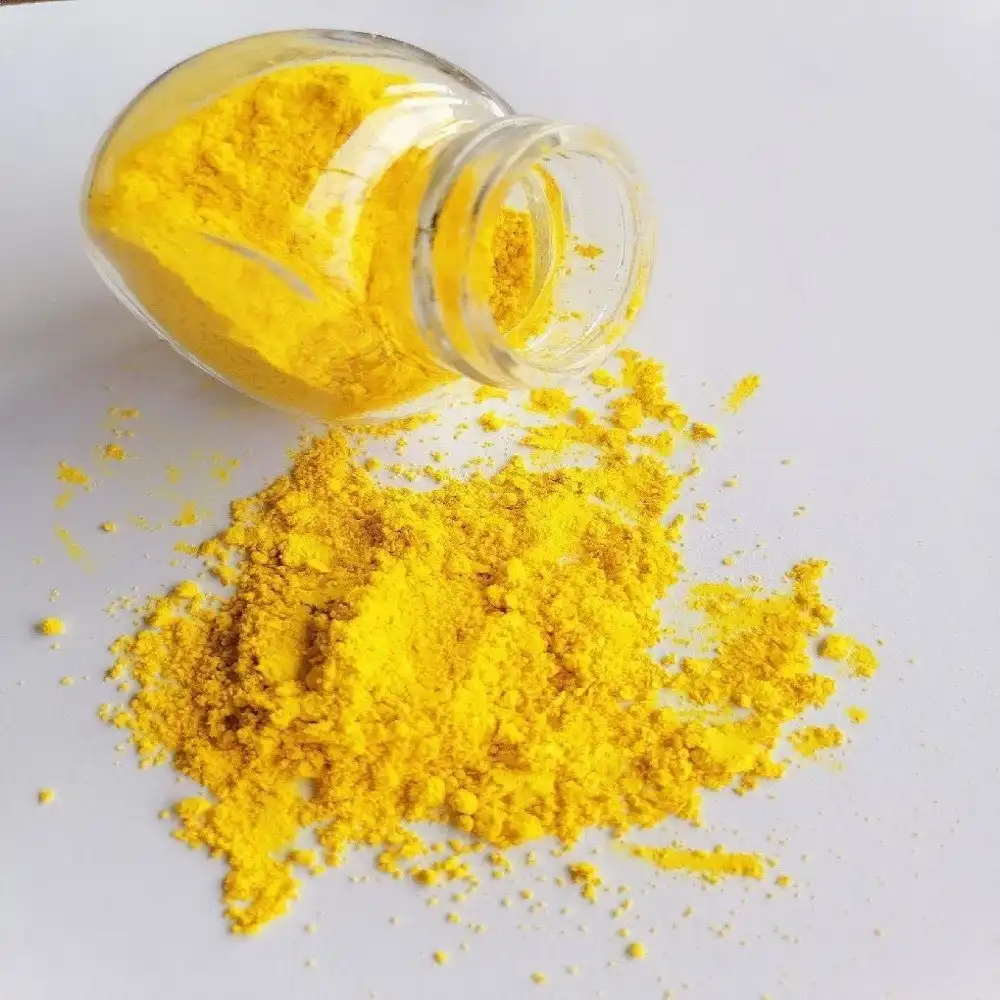
Understanding Liposomal Berberine Powder and Its Role in Heart Health
Berberine has been used to help the heart and metabolism for hundreds of years in traditional medicine. However, it hasn't been used much in modern medicine because it's hard for the body to absorb. Pharmaceutical-grade liposomal packaging technology was used by Shaanxi Hongda Phytochemistry Co., Ltd. to solve this problem. This changes the way berberine dissolves in a basic way.
What Makes Liposomal Berberine Different?
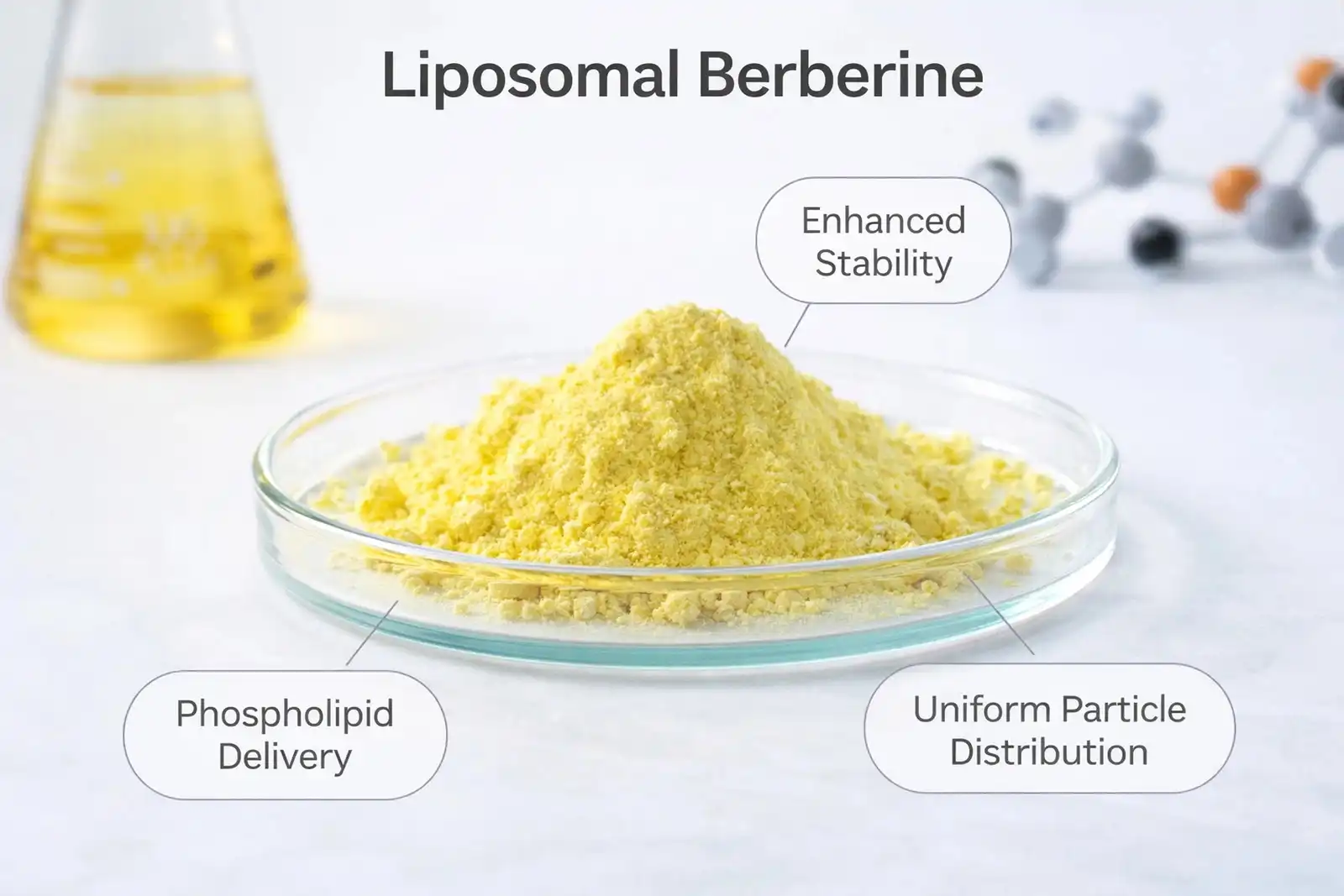
Berberine hydrochloride works well in the lab, but the body only absorbs less than 5% of it because the metabolism is so fast, and the intestines aren't very good at it. By using liposome technology, phospholipid bilayers are used to wrap berberine molecules. These are small rings that have the same structure as the walls of our cells. High-pressure homogenization is used by Hongda Phytochemistry to make nanoparticles that are all the same size, between 80 and 150 nm, and pack more than 90% of the time. Because it is so precise at the nanoscale level, the active molecule can get through the gut without breaking down and connect directly with cell walls.
Berberine's Cardiovascular Mechanisms
A lot of different chemicals in berberine help protect the heart after it is eaten. Adenosine monophosphate-activated protein kinase (AMPK) is also known as the "metabolic master switch". It works because of this stuff. It is easier for muscle cells to take in glucose when AMPK is turned on. Lipoproteins are made by the liver, but this drug stops them from being made. All of these are good for the heart. It changes how fats are used in the body by lowering the amount of PCSK9 protein. This means that more LDL receptors can stay turned on in liver cells. This lowers the amount of LDL cholesterol in the blood. As an antioxidant, it helps keep the blood vessel walls safe from reactive stress. This helps the blood flow and keeps the blood vessels open.
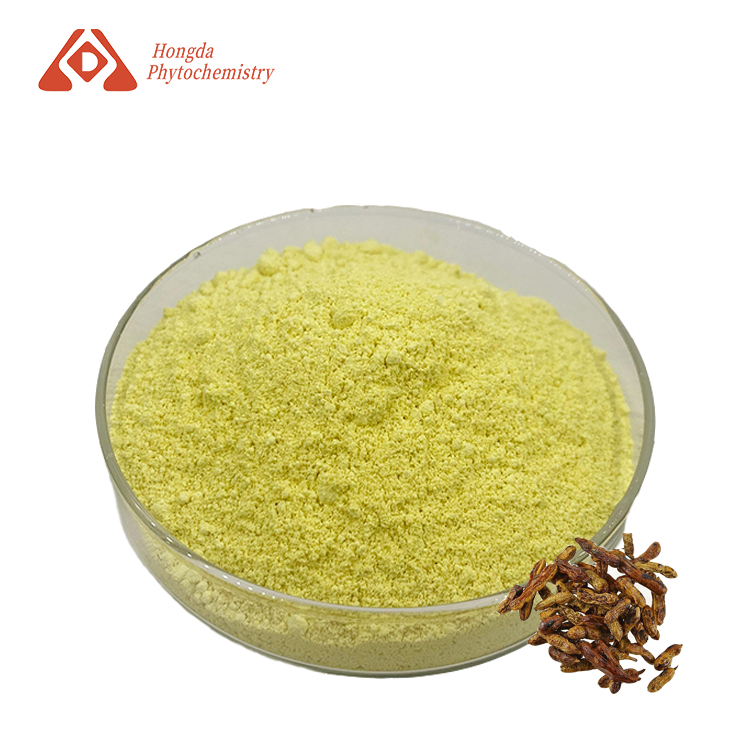
The liposomal transport method that Hongda Phytochemistry uses keeps these healing qualities while making them more effective in the field. As long as you store it properly, our yellow powder formulation stays stable for 24 months. It can have anywhere from 10% to 90% berberine content, depending on your recipe needs. Each batch is tested for strength using HPLC, which makes sure that the results are the same from batch to batch.
By understanding these processes, top supplement creators can see why liposomal versions are becoming more popular over regular berberine products. The better delivery means that smaller doses are needed to get better results, which is an important thing for product makers who care about effectiveness, customer compliance, and recipe efficiency.
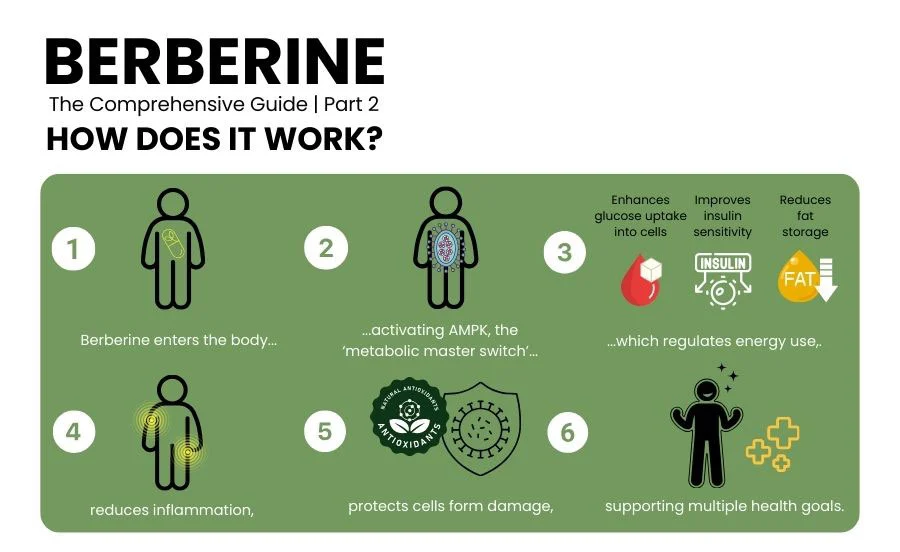
Scientific Evidence Supporting Liposomal Berberine for Cardiovascular Health
There are a lot of studies that show berberine is good for the heart. Brand-new research has shown that ways of liposomal transfer work even better. A study that compared absorption found that liposomal berberine reached 15–20 times higher plasma levels than standard berberine hydrochloride at the same doses. These higher levels stayed higher for a much longer time after they reached their peak.
Research Findings on Cholesterol Management
In clinical studies that have looked at berberine's effects on lipid levels, the results have always been good. There was a 20–25 mg/dL drop in LDL cholesterol in people who took berberine pills, but a small rise in HDL cholesterol. Because it is easier for the body to process, the liposomal structure of liposomal berberine powder makes these benefits stronger. This means that less is needed to get the same or better results. New tests show that berberine can lower cholesterol even when statins are not used. Because of this, it is an important part of all-around circulatory formulas.
Blood Pressure and Vascular Function Studies
Researchers who looked into how berberine affected blood pressure found that people whose blood pressure was already high saw small but regular drops in both systolic and diastolic pressure. It works well with blood vessels because it tells endothelial cells to make nitric oxide, which keeps the arteries open. Blood levels stay steadier thanks to liposomal transfer. This may mean that the benefits for the blood vessels last longer during the day.
Dosage Considerations for Formulation Development
Most of the time, between 900 mg and 1500 mg of berberine is given every day over the course of two or three treatments. With liposomal forms that make digestion better, effective amounts can be dropped while still getting the same good benefits. This lets people who make things make items with smaller doses that are cheaper and easier for people to use. Hongda Phytochemistry has an expert team that helps buying managers and R&D workers figure out the best dose plans for a range of health uses and groups of people.
Liposomal berberine that is made according to cGMP rules is put through a lot of tests to see if it has any heavy metals, germs, or chemical leftovers. The amount of lead (Pb), arsenic (As), cadmium (Cd), and mercury (Hg) was less than 2 mg/kg, 1 mg/kg, and 0.01 mg/kg, respectively. These amounts are much lower than the safety standards around the world. After going through these strict quality checks, you can be sure that your finished goods will meet the requirements of all the major markets around the world, like the US and the EU.
Liposomal Berberine Powder Versus Other Berberine Forms: What Should Businesses Choose?
There are a few different ways for business-to-business buyers to look at berberine ingredients. Each has its own pros and cons that affect how easy it is to digest, how many ways it can be used in recipes, and how much it costs. If you know about these differences, you can buy things that will help you show your goods in the best way possible and meet the needs of your target market.
Bioavailability Comparison Across Formats
The least expensive choice is standard berberine hydrochloride powder, but it is not very bioavailable—usually less than 5% gets into the systemic blood. Berberine sulphate is a little better at being absorbed, but it still has a hard time getting through the intestines. Phytosome complexes offer some improvement through phospholipid binding, but the particles they contain are usually bigger than those in optimized liposomal formulations. Liposomal capsule technology has the best bioavailability; based on the quality of the production process and the spread of particle sizes, it can absorb 10 to 30 times more than other types.
Quality Benchmarks for Supplier Evaluation
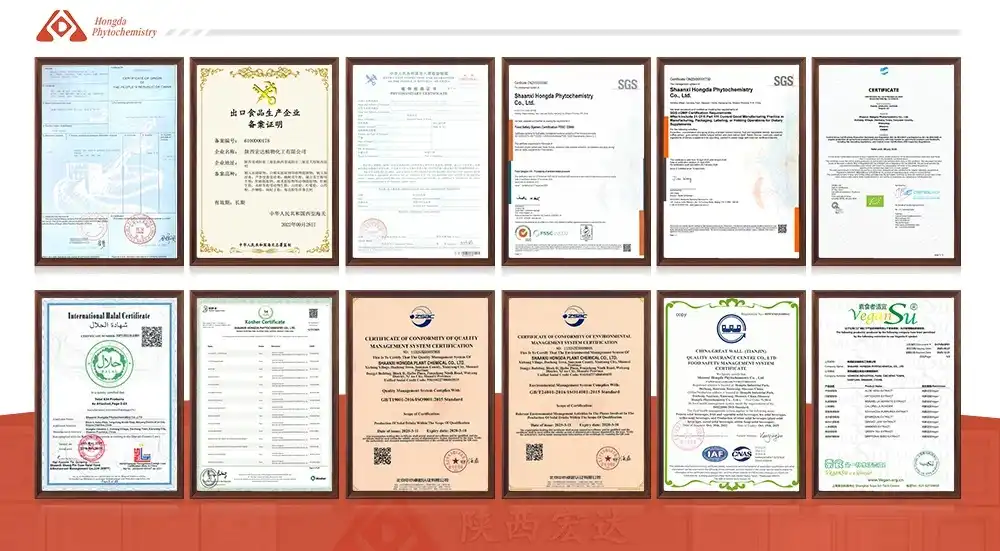
When looking at possible berberine sources, buying workers should give more weight to companies that have a wide range of standards, such as cGMP, ISO 22000, FSSC 22000, and regional needs like HALAL and KOSHER, so they can reach a wider market. All of these certificates, along with its US FDA facility registration, show that Shaanxi Hongda Phytochemistry Co., Ltd. is committed to meeting foreign quality standards. Ask for records of analysis that show the proof of liposomal content, particle size distribution data from dynamic light scattering (DLS) analysis, and the amounts of packing efficiency. Suppliers who are completely open and give you access to the original test bands build the trust that you need for long-term relationships.
Transparency in manufacturing goes beyond licenses and includes how raw materials are sourced. Hongda Phytochemistry uses phospholipids from sunflower seeds instead of soy-based options, along with liposomal berberine powder. This meets the non-GMO and soy-free clean label standards that luxury brands and health-conscious customers are asking for more and more. Our three specialized growing sites make sure that you can track raw materials from the time they are grown until they are processed.
Cost-Benefit Analysis for Procurement Decisions
Basic berberine hydrochloride is cheaper than liposomal berberine, but the higher bioavailability makes the price difference worth it in a number of ways. When it comes to finished goods, lower effective doses mean lower costs per serve. Better digestion lets marketers make more convincing promises that are backed up by clinical facts. Fewer stomach problems make the customer experience and product reviews better. All of these things support placement at a higher level and higher profit margins that balance out higher raw material costs.
Hongda Phytochemistry has a low minimum order quantity of just 1 kg, which lets you do R&D sampling and test small batches of production before committing to bigger amounts. Our 5-tonne standing inventory in both Xi'an and US warehouses makes sure that orders are filled quickly—usually within 48 hours—and that there are no supply chain problems that could slow product launches or lead to stock-outs during times of high demand.
Applications and Use Cases of Liposomal Berberine Powder in B2B Procurement
The versatility of pharmaceutical-grade liposomal berberine creates opportunities across multiple industry segments, with applications extending from dietary supplements to functional foods and specialized formulations targeting metabolic health.
Cardiovascular Support Supplements
Cardiovascular health represents the primary application for liposomal berberine in the nutraceutical sector. Product developers incorporate this ingredient into standalone heart health formulations or comprehensive cardiovascular support blends combining berberine with complementary compounds like CoQ10, omega-3 fatty acids, and plant sterols. The liposomal format's enhanced absorption makes it particularly valuable in premium product lines where efficacy and rapid onset matter most to discerning consumers.
Metabolic Health Formulations
Berberine's AMPK activation properties make it equally relevant for products targeting healthy glucose metabolism and weight management. Brands developing metabolic support supplements increasingly choose liposomal delivery to maximize berberine's effects on insulin sensitivity and fat oxidation. The ability to use lower dosages while maintaining efficacy allows formulators to create multi-ingredient products without excessive capsule burdens or serving sizes.
Private Label and Custom Formulation Opportunities
Shaanxi Hongda's OEM/ODM capabilities enable brands to develop proprietary formulations tailored to specific market niches. Our technical team collaborates with your R&D personnel to optimize liposomal berberine integration into custom blends, whether targeting active ageing demographics, sports nutrition markets, or functional beverage applications. We provide flexible packaging options from 1kg sampling quantities through 25kg bulk packaging, with customization available for specialized coating solutions or synergistic compound formulations.
Product developers have successfully incorporated liposomal berberine into soft capsules, hard capsules, tablets, and premixed powders. The ingredient's stability profile—maintained through our proprietary low-temperature centrifugal freeze-drying technology—ensures consistent potency throughout the 24-month shelf life. This stability simplifies logistics planning and reduces inventory losses from expiration, particularly valuable for products with variable demand patterns.
Procurement Guidance for Bulk Liposomal Berberine Powder Buyers
Securing reliable supplies of high-quality liposomal berberine requires thorough supplier vetting and strategic relationship development. Procurement professionals should evaluate potential partners across multiple dimensions beyond basic pricing.
Supplier Qualification Criteria
Begin supplier assessment for liposomal berberine powder by verifying manufacturing certifications and facility compliance with international standards. Request documentation of cGMP certification, third-party audit reports, and quality management system certifications like ISO 9001 and ISO 22000. Hongda Phytochemistry's SGS-standardized laboratory, staffed by more than 20 professor-level R&D and testing personnel, conducts comprehensive analysis, including heavy metal screening, pesticide residue testing, microbiological examination, and potency verification via HPLC. Our 20,000 square metre production facility houses over 10 modern production lines and 100,000-level purification workshops, supporting an annual output capacity exceeding 3,000 tonnes.
Technical Due Diligence Questions
During supplier evaluation, ask specific technical questions revealing manufacturing sophistication. Enquire about particle size control methods and request DLS test data showing particle size distribution. Question encapsulation efficiency percentages and the analytical methods used for verification. Ask about phospholipid sources and whether non-GMO options are available. Request information about stability testing protocols and accelerated ageing studies. Suppliers providing detailed, data-supported answers to these technical queries demonstrate the expertise necessary for consistent quality.
Negotiation Strategies and Terms
Effective procurement negotiations balance cost efficiency with supply reliability and quality assurance. Consider volume commitments that qualify for tiered pricing while maintaining flexibility for demand fluctuations. Discuss inventory holding arrangements that shift storage costs while guaranteeing availability. Explore payment term options that align with your cash flow requirements. Hongda Phytochemistry offers competitive direct factory pricing with free shipping options for qualifying orders, improving total landed costs. Our 48-hour fulfilment commitment from maintained inventory reduces lead time risks affecting production schedules.
Establish clear specifications in supply agreements, including acceptable ranges for berberine content, particle size, encapsulation efficiency, and microbiological parameters. Define testing protocols, sample retention requirements, and procedures for addressing out-of-specification batches. These detailed agreements prevent misunderstandings and establish accountability frameworks supporting long-term partnerships.
Conclusion
Berberine powder in the form of liposomes is a big step forward in heart health ingredients because it is more bioavailable and effective than other types of berberine. The phospholipid capsule technology keeps active substances safe during digestion while allowing direct absorption by cells. This leads to better AMPK activation, better cholesterol metabolism, and overall support for the cardiovascular system. There is scientific proof for these benefits, and practical reasons like lower effective doses, better stability, and a variety of preparation choices make them very appealing to product makers in the nutrition, pharmaceutical, and functional food industries. For product creation and market success, it is still important to choose a skilled provider with strong certifications, professional know-how, and dependable supply capabilities.
FAQ1. Is liposomal berberine more effective than regular berberine for heart health?
Research demonstrates that liposomal delivery systems achieve 10-30 times higher bioavailability than standard berberine hydrochloride. This enhanced absorption translates to greater cardiovascular benefits at lower dosages, with more consistent blood levels supporting sustained therapeutic effects throughout the day.
2. What dosage of liposomal berberine should formulations target?
Clinical studies typically use 900-1500 mg daily of standard berberine. Given the superior bioavailability of liposomal forms, effective dosages may range from 300 to 500 mg daily while achieving comparable outcomes. Specific recommendations depend on product positioning, target demographics, and complementary ingredients.
3. How can I verify the quality of liposomal berberine from suppliers?
Request certificates of analysis documenting berberine content via HPLC, particle size distribution from DLS testing, encapsulation efficiency percentages, heavy metal screening, and microbiological testing. Suppliers providing comprehensive COAs alongside facility certifications (cGMP, ISO, and FSSC 22000) demonstrate commitment to quality standards.
Partner with HONGDA for Premium Liposomal Berberine Powder Supply
Shaanxi Hongda Phytochemistry Co., Ltd. stands ready to support your cardiovascular product development with pharmaceutical-grade liposomal berberine powder manufactured to the highest international standards. Our advanced high-pressure homogenization technology, comprehensive certifications, and 20+ years of botanical extract expertise position us as your ideal long-term supplier. Whether you need research samples, custom formulations, or bulk quantities with private label options, our technical team provides personalized support throughout your product development journey. Contact our procurement specialists at duke@hongdaherb.com to request COAs, discuss your specific requirements, and discover why leading brands worldwide choose HONGDA as their trusted liposomal berberine powder manufacturer. Let's build cardiovascular health solutions together.
References
1. Zhang Y, Li X, Zou D, Liu W, Yang J, Zhu N, et al. Treatment of type 2 diabetes and dyslipidemia with the natural plant alkaloid berberine. Journal of Clinical Endocrinology and Metabolism. 2008;93(7):2559-2565.
2. Kong W, Wei J, Abidi P, Lin M, Inaba S, Li C, et al. Berberine is a novel cholesterol-lowering drug working through a unique mechanism distinct from statins. Nature Medicine. 2004;10(12):1344-1351.
3. Pirro M, Vetrani C, Bianchi C, Mannarino MR, Bernini F, Sahebkar A. Joint position statement on nutraceuticals for the treatment of hypercholesterolemia. Nutrition, Metabolism and Cardiovascular Diseases. 2017;27(1):2-15.
4. Cicero AFG, Colletti A, Bajraktari G, Descamps O, Djuric DM, Ezhov M, et al. Lipid-lowering nutraceuticals in clinical practice: position paper from an International Lipid Expert Panel. Nutrition Reviews. 2017;75(9):731-767.
5. Ju J, Li J, Lin Q, Xu H. Efficacy and safety of berberine for dyslipidaemias: A systematic review and meta-analysis of randomized clinical trials. Phytomedicine. 2018;50:25-34.
6. Belcaro G, Cesarone MR, Scipione C, Scipione V, Dugall M, Corsi M, et al. Berberine in subjects with mild hypercholesterolemia not controlled with supplementation with red yeast rice extract: evaluation of efficacy and safety with a controlled clinical registry. Alternative Therapies in Health and Medicine. 2020;26(1):14-20.