Glutathione is not all the same, and there is a bigger difference between what you put in a pill and what gets to your cells than most product labels say. Hongda Phytochemistry, which does business as Shaanxi Hongda Phytochemistry Co., Ltd., has been improving plant-based actives for vitamin and drug names around the world for more than twenty years. Their Liposomal Glutathione Powder is the result of all their knowledge. It is a stable, high-absorption form of reduced glutathione that was made for brands that won't settle for less than the best. This piece explains in detail why liposomal delivery is better than traditional oral GSH and how buying from a qualified, vertically integrated producer like Hongda changes the whole quality talk.
Why Is Bioavailability the Real Story with Glutathione?
The Problem with Standard Oral Glutathione (GSH)
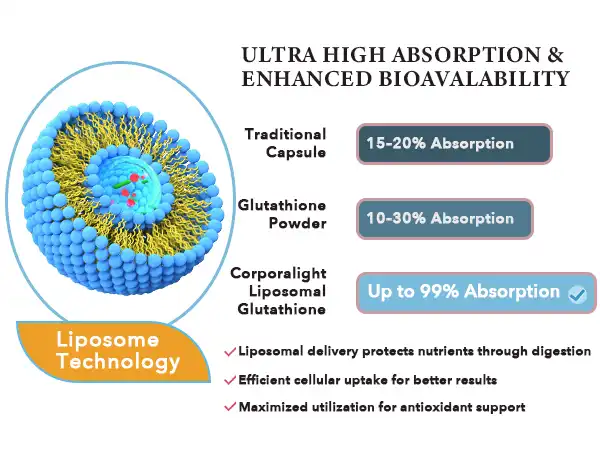
It is made up of glutamate, cysteine, and glycine, which are all amino acids. The way its molecules are put together is what makes it such a good protector for your body. However, this is also what makes normal mouth care so annoying. When you swallow a regular pill of reduced glutathione powder, it goes to your stomach right away, where protease enzymes start to break down the peptide bond. Before it could get into the bloodstream, a lot of the molecule had already been broken up into its amino acids. The cells only get parts of the GSH molecule, not the whole thing. This molecule immediately cleans and acts as an antioxidant. A study found that the blood only absorbs 3–16% of normal oral glutathione. Thus, most of what you take never does what it's meant to do.[1][4]
How Liposomal Encapsulation Changes the Math?
Glutathione is wrapped in a phospholipid bilayer by liposome technology. This is like making a tiny copy of your cell membrane. It is very hard for enzymes in the stomach and small intestine to break down the top shell because it is made of lipids. Liposomes are a sneaky way to get drugs into the body since the digestive system doesn't break them down. To get to their destination, they skip the gut wall and go straight into the systemic circulation through routes mediated by lipids. Pharmacokinetic data that have been made public show that liposomal types can raise glutathione levels in the blood up to five times more than a normal amount of GSH taken by mouth.[2] Absorption rates that are very close to 90% have been found in some tests. If you make vitamins, this means making ones that work better with smaller amounts, give faster results that can be tracked, and make structure-function claims that are backed up by good chemical logic.
Stability: Powder vs. Liquid Liposomal Forms
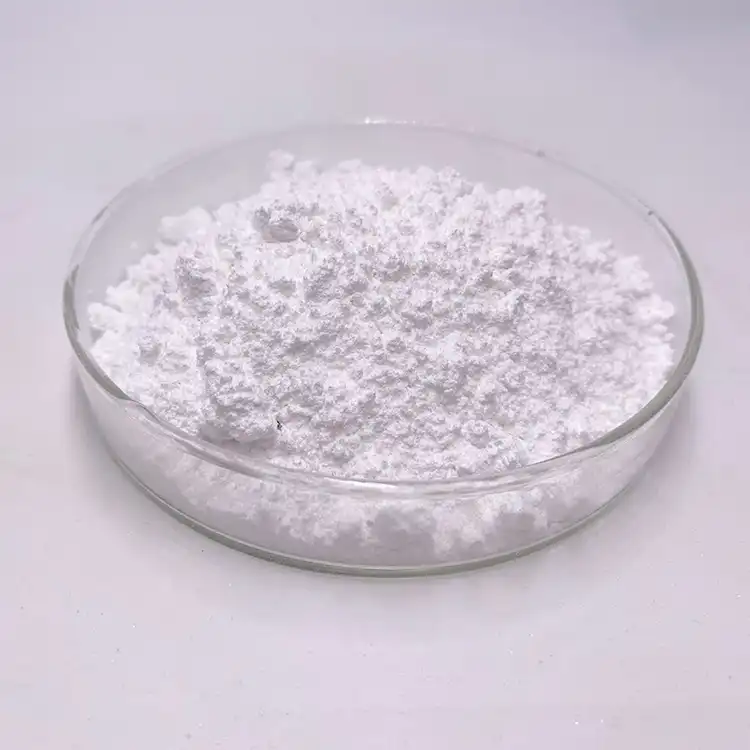
Liposomal glutathione has traditionally been offered as a liquid. However, liquids have real problems, such as a short shelf life after being opened, the need for cold-chain shipping, and problems with customer compliance. All of this is fixed by Liposomal Glutathione Powder. By spray-drying the liposomal solution on an inactive container, the GSH is locked in a matrix that can be stored for a long time and quickly re-emerges in water. The powder form makes it easier to put into pills, bags, and functional foods without the problems that come with moving liquids around. This means that contract makers and private-label brands that want to make recipes available all over the world should use bulk glutathione powder in liposomal form.
|
Glutathione Form
|
Delivery Mechanism
|
Absorption Characteristics
|
Stability
|
Best Application
|
|
Standard Reduced Glutathione Powder
|
Direct oral delivery of free GSH molecules
|
Limited by digestive enzyme degradation and intestinal breakdown
|
Moderate stability but sensitive to oxidation
|
General antioxidant supplements, daily wellness products
|
|
Sublingual Glutathione
|
Absorption through the oral mucosa
|
Bypasses part of gastrointestinal degradation
|
Requires specific dosage formats
|
Fast-acting oral supplements
|
|
Liposomal Glutathione Powder
|
Phospholipid bilayer encapsulation protects GSH during digestion
|
Improved systemic availability through lipid-based transport pathways
|
Higher stability and longer shelf life compared with liquid liposomal formats
|
Premium supplements, beauty nutrition, immune support products
|
|
Liquid Liposomal Glutathione
|
Liposome encapsulated in aqueous solution
|
High absorption potential
|
Requires stricter storage conditions and has shorter shelf stability
|
Ready-to-drink products and clinical nutrition
|
Liposomal Glutathione Specification
|
Item
|
Specification
|
|
Appearance
|
Off-white to light yellow powder
|
|
Loss on Drying
|
≤ 5.0%
|
|
Particle Size
|
≥ 90% through 20mesh
|
|
Bulk Density
|
Measured value
|
|
Tapped Bulk Density
|
Measured value
|
|
Lead
|
≤ 0.5ppm
|
|
Arsenic
|
≤ 2.0ppm
|
|
Cadmium
|
≤ 0.3ppm
|
|
Mercury
|
≤ 0.3ppm
|
|
Total Plate Count
|
≤ 10000cfu/g
|
|
Yeasts&Molds
|
≤ 1000cfu/g
|
|
Coliforms
|
≤ 10MPN/g
|
|
E.Coli
|
Negative/25g
|
|
Salmonella
|
Negative/25g
|
|
Staphylococcus Aureus
|
Negative/25g
|
|
Fatty Acids
|
10.0%-20.0%
|
|
Phospholipids (NON-GMO)
|
10.0%-20.0%
|
|
Glutathione
|
65.0%-75.0%
|
Key Health Applications That Drive Demand for Liposomal GSH
Antioxidant Defense and Cellular Detoxification
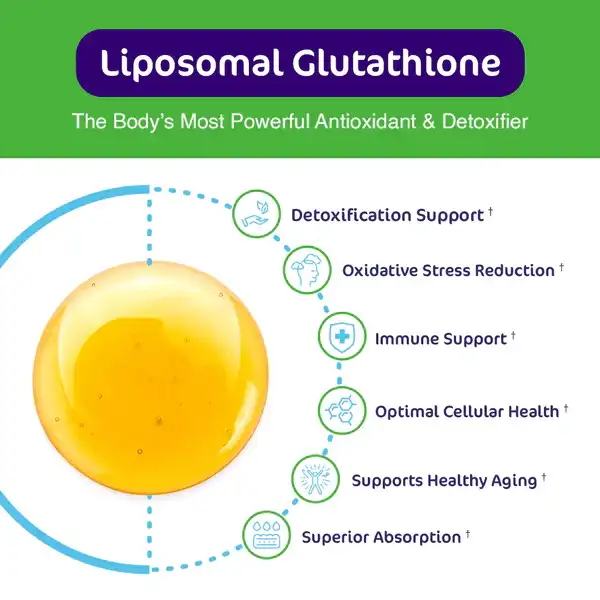
People call glutathione "the body's master antioxidant" because it helps the liver get rid of xenobiotics, which are molecules that come from outside the body and include smog, alcohol byproducts, and drug leftovers. It also fights free radicals.[5] People who play sports, are older, or live in dirty places feel a lot of reactive stress. Most of the time, these groups need more intracellular GSH than their bodies can make. Liposomal Glutathione Powder is a vitamin that goes straight to your cells and fills up intracellular pools better than regular GSH powder. It has been shown that liposomal types of GSH can raise GSH levels in the blood and improve signs of oxidative stress within a few weeks of treatment.
Skin Brightening and Anti-Aging Cosmeceuticals
One of the most important commercial uses of oral glutathione is its ability to block tyrosinase, which is a key enzyme in the production of melanin.[5] This has led to huge consumer demand for skin-brightening supplements in Asia, the Middle East, and more and more in the US and Europe. To get the levels inside cells needed for melanin-modulating effects to be meaningful, though, the drugs must be delivered consistently and in a way that makes them bioavailable. Most of the time, standard bulk glutathione powder formulas don't produce the tissue-level amounts needed to see effects. Liposomal transport fills in this gap: better systemic absorption means more GSH gets to keratinocytes and melanocytes, helping with collagen protection and UV-induced oxidative repair in addition to whitening effects. When it comes to cosmetics, this is a great way to set yourself apart.
Immune Support and Respiratory Health
There is a lot of glutathione in immune cells like lymphocytes, macrophages, and natural killer cells. It controls cell growth, the production of cytokines, and antioxidant protection during the disease reaction.[2][5] Low amounts of GSH inside cells have been linked to T-cells not working as well and lung epithelium being more likely to get damaged by oxidative stress. More and more study in respiratory medicine shows that inhalation and systemic glutathione can help with reactive lung stress.[6] Liposomal glutathione powder is a scientifically sound and user-friendly way to give supplements that are meant to improve immune health, cold-weather resistance, or lung health. It can be used in both pill and drink-mix versions.
Choosing the right Liposomal Glutathione Powder is not only about understanding absorption technology and health benefits — it is also about selecting a manufacturer that can provide consistent quality, reliable supply, and complete documentation. For brands developing premium supplements, functional foods, or beauty nutrition products, having direct access to technical support and ingredient expertise is essential. To discuss specifications, testing requirements, or customized formulation solutions, contact Hongda's ingredient specialists at duke@hongdaherb.com.
What to Look for in a Liposomal Glutathione Powder Manufacturer?
Raw Material Traceability and Extraction Standards
The quality of any liposomal glutathione product begins long before encapsulation — it starts with the purity and specification of the reduced glutathione API itself. A reputable liposomal glutathione powder manufacturer must have full traceability across the supply chain: from the fermentation or biosynthesis source of the GSH, through extraction and purification, to encapsulation and final testing. Shaanxi Hongda Phytochemistry Co., Ltd. operates three dedicated planting and raw-material bases, employs professional agronomists to supervise cultivation, and runs every input material through a full QC protocol — including HPLC purity testing, pesticide residue screening, heavy metal analysis, and microbiological testing — before any production batch begins.
Manufacturing Scale and Technical Capabilities
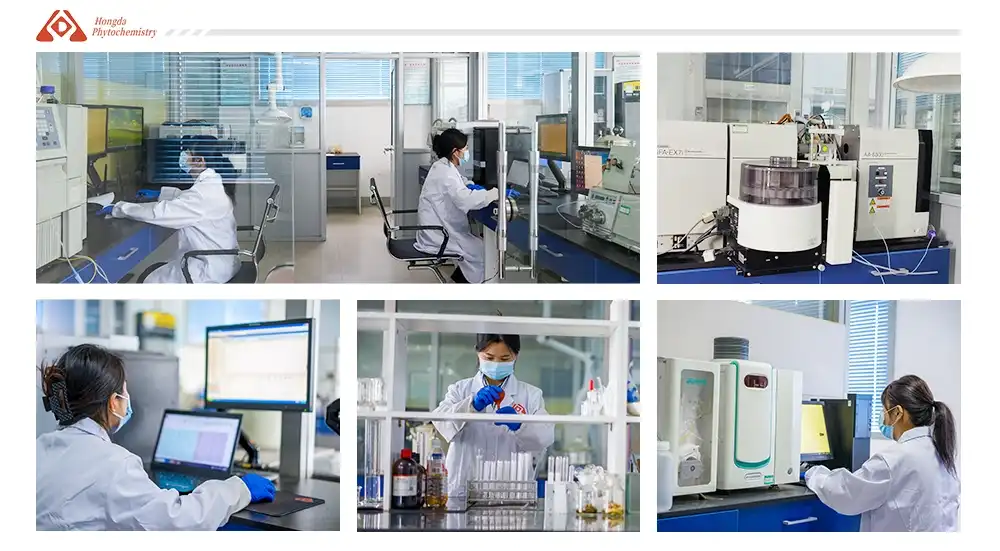
Scaling liposomal powder production without compromising encapsulation efficiency requires specialized equipment and process expertise that most ingredient suppliers simply do not have. Hongda Phytochemistry's 20,000 m² facility houses more than 10 modern production lines, including 100,000-level purification workshops that meet international GMP standards. The factory's annual output capacity reaches 3,000 tons across all product lines, providing the kind of supply reliability that global brands require. The company's SGS-standardized laboratory—co-established with university professors—is equipped with high-performance liquid chromatographs, gas chromatographs, atomic absorption spectrophotometers, and other analytical instruments and staffed by over 20 senior R&D and QC personnel.
Certifications That Matter for Global Markets
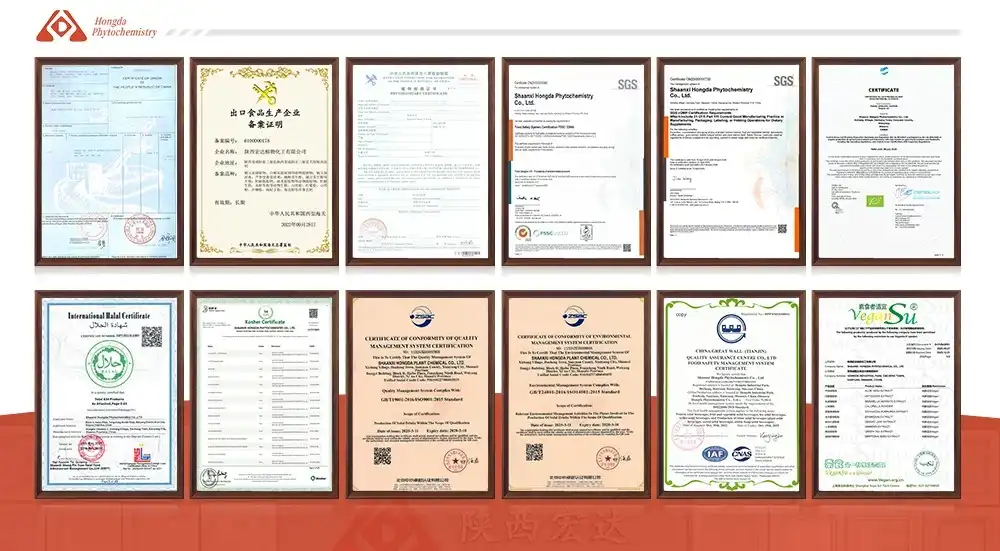
When sourcing bulk glutathione powder for EU or US distribution, the certification stack of your supplier is not optional — it is a regulatory and commercial prerequisite. Hongda holds an extensive portfolio of qualifications built over 24 years: Halal, Kosher, BRC, FDA registration, and organic certifications established between 2001 and 2024. In 2025, the company added cGMP certification, FSSC 22000, ISO 22000, ISO 9001, and both EU and NOP Organic certification, positioning it among the most comprehensively certified phytochemical manufacturers in China. These are not marketing checkboxes — they reflect documented process discipline and third-party verification that international buyers can rely on.
|
Certification / Standard
|
Year Obtained
|
Relevance for Buyers
|
|
Halal & Kosher
|
Pre-2024
|
Middle East, Southeast Asia, US specialty retail
|
|
BRC Grade
|
Pre-2025
|
UK / EU retailer supply chains
|
|
FDA Registration
|
Pre-2025
|
US market export readiness
|
|
cGMP Certification
|
2026
|
Pharmaceutical-grade manufacturing validation
|
|
FSSC 22000 / ISO 22000
|
2026
|
Global food safety management system
|
|
ISO 9001
|
2026
|
Quality management system assurance
|
|
EU Organic & NOP Organic
|
2026
|
European and US organic label eligibility
|
How is Hongda's Liposomal Glutathione Powder Made? — and Why It's Different
Phospholipid Selection and Encapsulation Process
The performance of any liposomal product is only as good as the phospholipids used to form the bilayer and the precision of the encapsulation process. Hongda's Liposomal Glutathione Powder utilizes high-purity phosphatidylcholine as the primary membrane-forming lipid, selected for its structural compatibility with human cell membranes and its proven stability in dried powder matrices. The encapsulation process is designed to achieve high entrapment efficiency—maximizing the proportion of glutathione protected within the liposome rather than simply mixed with the liposomal material—and the resulting particle size is optimized for gastrointestinal absorption. Every production batch undergoes encapsulation efficiency testing as part of the standard QC release protocol.
Purity Testing and Specification Compliance
Hongda's liposomal glutathione powder and bulk glutathione powder are tested against a comprehensive specification that includes assay (HPLC), moisture content, particle size distribution, heavy metals (Pb, As, Cd, and Hg), pesticide residues (multi-residue screen), and total microbial count with pathogen identification. This aligns with EU food supplement regulations, US dietary supplement GMP requirements under 21 CFR Part 111, and the requirements of major retailer quality programs. Customers receive a full Certificate of Analysis with every shipment, and third-party testing through accredited laboratories is available on request.
Custom OEM / Private Label Service
For brands that want a turnkey ingredient solution, Hongda offers custom particle sizing, carrier selection, and blending ratios for liposomal glutathione powder formulations. Whether you are developing a standalone GSH supplement, a multi-ingredient antioxidant complex, or a functional food application, the Hongda R&D team — comprising more than 150 production technicians and 20+ senior researchers — can collaborate on specification development, stability study design, and regulatory documentation. With a 3,000 m² warehouse organized into six dedicated storage areas and robust inventory management, Hongda consistently delivers on time, regardless of order size.
Practical Guidance for Supplement Formulators Choosing Between GSH Forms
When is Standard Oral GSH Powder Sufficient?
Not every application demands liposomal technology. For general wellness formulations targeting healthy adults where cost-per-serving constraints are tight, high-quality reduced glutathione powder remains a viable ingredient choice. When combined with absorption cofactors—particularly N-acetylcysteine (NAC), alpha-lipoic acid, or vitamin C—standard GSH supplementation can still deliver meaningful antioxidant support, particularly in products designed for daily long-term use where cumulative exposure over weeks matters more than peak plasma concentration.[1][4] Hongda's bulk glutathione powder is available in multiple purity grades to serve these formulations.
When Liposomal Glutathione Powder Justifies the Premium?
The case for liposomal glutathione powder becomes compelling—and commercially differentiated—in several specific contexts: therapeutic-dose supplements targeting clinical populations (post-surgical recovery, chronic oxidative stress conditions); skin-brightening nutraceuticals where intracellular melanocyte delivery is the mechanism; sports nutrition products where rapid post-exercise GSH restoration is a claimed benefit; and premium functional beverages where consumers are paying for measurable bioavailability advantages. In any of these segments, the ability to market a product as liposomal — with supporting science on superior absorption — commands a price premium that far outweighs the incremental ingredient cost.
Dosing Considerations and Product Development Tips
A typical effective dose for liposomal glutathione powder and bulk glutathione powder in a dietary supplement context falls in the 200–500 mg range (equivalent reduced GSH content), compared to 500–1,000 mg for standard oral GSH targeting similar plasma outcomes.[1][2][4] This dosing efficiency allows formulators to create smaller capsules, reduce excipient load, or add complementary actives within the same formulation space. For beverage applications, the powder should be blended with appropriate emulsifiers to maintain liposomal integrity after reconstitution. Hongda's technical team regularly supports customers through formulation development, prototype stability testing, and sensory evaluation—services that a first-rate liposomal glutathione powder manufacturer should provide as standard, not as an add-on.
Conclusion
The evidence is clear: liposomal delivery closes the bioavailability gap that has long limited oral glutathione's clinical and commercial impact. For formulators and brands ready to build products that perform as well as they're marketed, liposomal glutathione powder is no longer a niche upgrade—it's the credible default. Shaanxi Hongda Phytochemistry Co., Ltd. combines 24 years of manufacturing experience, a 2025-certified quality system, and dedicated R&D infrastructure to offer one of the most reliably sourced liposomal glutathione powders on the global market. When efficacy and traceability both matter, the choice of manufacturer is the choice of product quality itself.
FAQ
1. What makes liposomal glutathione powder more effective than regular GSH capsules?
The phospholipid shell protects glutathione from digestive enzymes, allowing up to 5× more intact GSH to reach systemic circulation compared to standard oral forms.
2. What certifications does Hongda Phytochemistry hold for its liposomal glutathione powder?
Hongda holds Halal, Kosher, BRC, FDA, cGMP, FSSC 22000, ISO 22000, ISO 9001, and both EU and NOP organic certifications, among others.
3. Can Hongda supply bulk glutathione powder for private-label or OEM formulations?
Yes. Hongda offers full OEM support, including custom particle sizing, specification development, and stability documentation, with an annual production capacity of 3,000 tons.
4. What is the recommended dosage for liposomal glutathione powder in a supplement?
Typical effective doses range from 200–500 mg of GSH content per serving, significantly lower than the 500–1,000 mg often required with standard oral glutathione to achieve comparable blood levels.
Ready to Source Premium Liposomal Glutathione Powder? | HONGDA
Whether you're developing a high-performance antioxidant supplement, a skin-brightening nutraceutical, or an immune support formula with Liposomal Glutathione Powder, Hongda Phytochemistry has the certified ingredient, the manufacturing scale, and the technical team to back your product from specification to shipment. Founded in 2001 and recognized as a National High-tech Enterprise, we're ready to be your long-term ingredient partner. Contact us today — let's build something that performs.Email us: duke@hongdaherb.com
References
1. Schmitt, B., Vicenzi, M., Garrel, C., & Denis, F. M. (2015). Effects of N-acetylcysteine, oral glutathione (GSH) and a novel sublingual form of GSH on oxidative stress markers: a comparative crossover study. Redox Biology, 6, 198–205.
2. Sinha, R., Sinha, I., Calcagnotto, A., Trushin, N., Haley, J. S., Schell, T. D., & Richie, J. P. (2018). Oral supplementation with liposomal glutathione elevates body stores of glutathione and markers of immune function. European Journal of Clinical Nutrition, 72(1), 105–111.
3. Kern, J. K., Geier, D. A., Adams, J. B., Mehta, J. A., & Geier, M. R. (2011). A clinical trial of glutathione supplementation in autism spectrum disorders. Medical Science Monitor, 17(12), CR677–CR682.
4. Allen, J., & Bradley, R. D. (2011). Effects of oral glutathione supplementation on systemic oxidative stress biomarkers in human volunteers. Journal of Alternative and Complementary Medicine, 17(9), 827–833.
5. Pizzorno, J. (2014). Glutathione! Integrative Medicine: A Clinician's Journal, 13(1), 8–12.
6. Arosio, E., De Marchi, S., Zannoni, M., Prior, M., & Lechi, A. (2002). Effect of glutathione infusion on leg arterial circulation, cutaneous microcirculation, and pain-free walking distance in patients with peripheral obstructive arterial disease: a randomized, double-blind, placebo-controlled trial. Mayo Clinic Proceedings, 77(8), 754–759.




_1745918362135.webp)

_1754906006438.jpg)