


_1745918362135.webp)

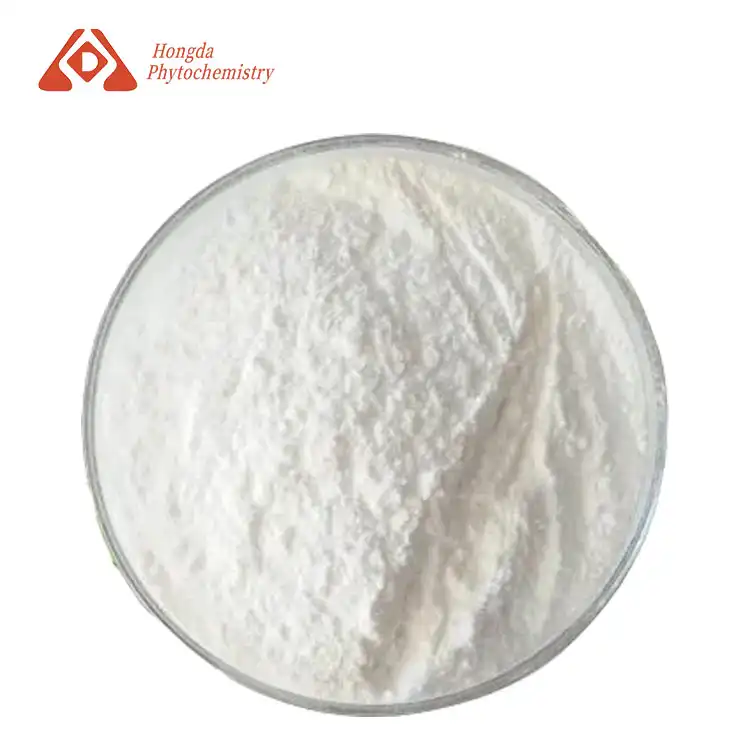
Increased antioxidant activity of indole 3 carbinol powder? Which are the best substances against oxidative stress? That's a topic that formulators are asking more and more as client interest in oxidative-stress protection continues to grow. Shaanxi Hongda Phytochemistry Co., Ltd. produces Indole 3 carbinol powder in a controlled atmosphere where it is extracted and refined. This gives firms a well-researched substance from cruciferous vegetables with greater proof of its impact on antioxidant activity than just liver and hormone support. As Hongda Phytochemistry builds up its production capacity and certifications, more nutraceutical companies are looking to the ingredient for antioxidant-positioned goods to protect cells from everyday oxidative stress. Understanding where this molecule, found in cruciferous vegetables, fits into the antioxidant category and why manufacturing quality is so critical to its performance helps formulators to make better choices when selecting their next product launch.
Oxidative Stress and the Growing Demand for Antioxidant Ingredients
What Oxidative Stress Does to the Body?
Free radicals are unstable molecules produced by normal metabolism, pollution, UV exposure, and diet, which accumulate quicker than the body can neutralise them normally and cause oxidative stress. Over time, without regulation, this imbalance may lead to destruction of cell membranes, proteins and DNA, contributing to the visible and hidden effects of ageing and general cellular wear. Consumer knowledge of oxidative stress has increased substantially, which has increased the need for supplements based on antioxidant support, rather than single-nutrient claims alone. That’s one reason indole-3-carbinol powder is of appeal to formulators, since its research profile includes antioxidant activity along with its more typical hormone metabolism and liver support functions, enabling firms to convey a multi-benefit ingredient story.
Why Are Formulators Turning to Plant-Derived Antioxidant Compounds?
Consumers are particularly interested in antioxidant molecules derived from plants compared to synthetic antioxidants, and derivatives of cruciferous vegetables are well suited to this need. Indole-3-carbinol powder is in a good spot since it comes from broccoli, cabbage, and other plants that have been connected to health benefits for aeons in traditional diets and modern nutrition research. The formulators of antioxidant blends want to be able to use substances that can be stated in a straightforward manner on a label without having to explain sophisticated chemistry. A molecule from a recognised plant source will do the trick. This consumer-friendly tale, along with a fresh antioxidant research angle, has made the ingredient even more relevant for marketers setting up cellular-health and healthy-aging product lines.[1][2]
Positioning Bulk Indole-3-Carbinol Within the Antioxidant Ingredient Category
Brands purchasing bulk indole-3-carbinol for antioxidant formulations are often looking to diversify away from the most saturated antioxidant categories such as vitamin C or resveratrol, which are extremely competitive in the shelf space and difficult to identify. Indole-3-carbinol powder is less commercialised and has its unique scientific story that helps marketers to stand out in the crowded antioxidant and cell health industries. The ingredient also permits liver and hormone claims, enabling companies to create layered marketing tales that target many customer objectives in one product. This is one reason why procurement teams are increasingly asking for this ingredient specifically when developing unique antioxidant product launches, because of its versatility in terms of placement.
|
Oxidative Stress Contributor
|
Relevance to Antioxidant Formulation
|
|---|---|
|
Environmental Pollution
|
Increases free radical exposure
|
|
UV Radiation
|
Accelerates cellular oxidative damage
|
|
Metabolic Byproducts
|
Ongoing internal free radical generation
|
|
Poor Dietary Antioxidant Intake
|
Reduces natural defense capacity
|
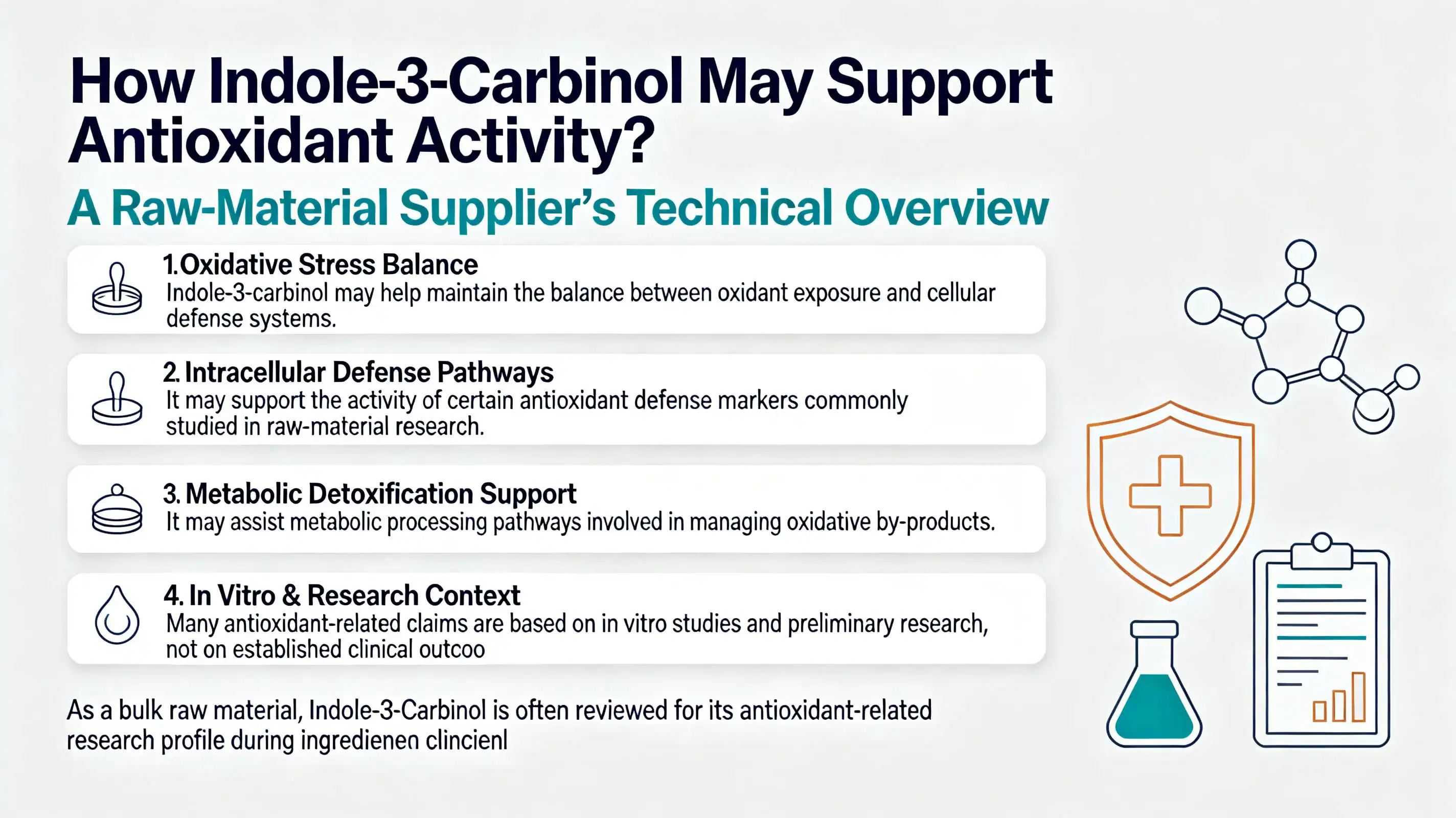
How Indole-3-Carbinol May Support Antioxidant Activity?
Free Radical Neutralization and Cellular Protection
Studies on indole-3-carbinol have been directed at its potential to act as a scavenger of free radicals at the cellular level, an important pathway in any chemical being sold for antioxidant support. Indole-3-carbinol powder has been examined in many preclinical settings for its ability to lower signs of oxidative damage, providing a scientific basis for formulators to turn to for antioxidant-centered product claims. Research is continuing in this area, but the current body of knowledge provides a more comprehensive narrative for brand owners than many antioxidant compounds that are based on traditional-use history alone. This scientific basis is especially useful to firms targeting educated customers who do their ingredient research before making supplement purchases.[3][4]
Interaction With the Body's Natural Antioxidant Enzyme Systems
In addition to direct scavenging of free radicals, indole-3-carbinol powder has been studied for its possible link to the body’s own antioxidant enzyme system, including pathways involved in the control of cellular defence. Studies reveal that chemicals from cruciferous vegetables like this one may affect the functioning of protective enzyme systems rather than operate as a stand-alone antioxidant, a more complex method than just neutralising free radicals alone. For formulators seeking a reliable bulk indole-3-carbinol ingredient, this dual mechanism story can also provide useful context when discussing antioxidant-related properties, while avoiding the suggestion that the ingredient itself acts solely as a direct antioxidant. That’s a story that is going to connect with more scientifically-minded consumers who are researching supplement ingredients.[2][4]
Complementary Relationship With Liver Detoxification Pathways
Oxidative damage and liver detoxification are closely related since the liver is key in processing and eliminating oxidative wastes from the body. Indole-3 Carbinol Powder Antioxidant positioning gets further credibility, in the sense that the known relevance to liver enzyme pathways means that promoting detoxification and decreasing oxidative stress are inherently complementary aims within a single formulation. Brands creating a complete cellular-health or detox-antioxidant hybrid product may use this link to help craft a more coherent product narrative than if mixing unrelated elements. This confluence of antioxidant and liver support studies is one of the most convincing reasons formulators continue to explore this ingredient across different product categories.[2][5]
Formulating Antioxidant-Focused Products
Any brands formulating an antioxidant or cellular-health solution based on this ingredient are encouraged to reach out to the Hongda technical team directly for documentation, sample requests, and bulk indole-3-carbinol pricing to meet their production volume, at duke@hongdaherb.com.
Combining With Other Antioxidant Ingredients
Indole-3-carbinol powder naturally synergises with other well-recognised antioxidant compounds such as vitamin C, vitamin E and different polyphenol extracts. This allows formulators to create multilayer antioxidant blends with complementary modes of action. Often, stacking related compounds rather than combining substances that function via separate routes provides a more convincing formulation narrative for customers exploring full antioxidant protection. When formulating these combination goods, formulators will often seek compatibility information early in the development process to assure stability and minimise unforeseen interactions during production. The versatility of matching has made the component a suitable addition to increasingly complex antioxidant and cellular-health product lines offered globally.
Dosage Forms Suited to Antioxidant Positioning
The most popular antioxidant products are in the form of capsules, tablets and powder blends. Indole 3 carbinol powder is compatible with all such delivery methods and does not need special handling in manufacture. Capsules continue to be a popular format for independent cellular-health supplements, while powder mixes provide manufacturers the opportunity to combine the component with complementary antioxidants in a single daily-serving package. For high-volume manufacturing runs, variable raw material behaviour may have a serious impact; therefore, it pays for manufacturers scaling production of antioxidant formulae to use ingredients with predictable flow and compression qualities. This processing stability is helping the substance be used in an ever larger variety of antioxidant product types each year.
Stability Considerations for Antioxidant Claims
To make legitimate antioxidant claims, it's essential that the ingredient remains stable throughout the product's shelf life, since damaged raw material might compromise both label accuracy and customer confidence. Indole 3 carbinol powder also has to be stored under optimal circumstances to keep it active from the time of manufacture and through distribution, including protection from excess humidity and light. Suppliers may aid by providing thorough stability data and storage guidelines to assist businesses in designing packaging and shelf-life testing processes that support correct antioxidant claims on final goods. As regulatory scrutiny of supplement claims grows throughout key export markets, this type of technological openness is only going to increase in importance.
|
Complementary Antioxidant
|
Formulation Role
|
|---|---|
|
Vitamin C
|
Water-soluble free radical scavenging
|
|
Vitamin E
|
Lipid-soluble cellular membrane protection
|
|
Polyphenol Extracts
|
Broad-spectrum antioxidant support
|
Manufacturing Quality Behind a Dependable Antioxidant Ingredient
Purification Standards That Preserve Bioactivity
The value of an antioxidant ingredient is only as good as the production method used to maintain its bioactivity. That is the basis on which Shaanxi Hongda Phytochemistry Co., Ltd. has developed its 20,000-square-meter facility. Hongda has more than ten contemporary production lines and 100,000-level purifying workshops to create indole 3 carbinol powder under circumstances that preserve the compound's structural integrity throughout all stages of extraction and purification. There are over 150 workshop operation technicians available to handle daily production, and with a yearly output capacity in the 3,000-ton range for the company's whole product line, consumers can be certain of receiving trial orders and larger bulk indole-3-carbinol orders without any unanticipated delays.
In-House Testing for Purity and Potency
To ensure indole-3-carbinol powder has the efficacy it is supposed to have, it must be rigorously tested. Hongda does this in its own SGS-standardized laboratory, built collaboratively with university academics and with more than twenty professor-level scientists on staff. High-performance liquid chromatographs, gas chromatographs and spectrophotometers enable the corporation to ensure purity, screen for impurities and verify that each batch matches recorded criteria before distribution. The option to do testing in-house offers purchasers immediate access to potency and purity data, rather than depending on third-party verification, which is a key benefit for manufacturers making precise antioxidant activity claims on finished-product labelling.
|
Item
|
Specification
|
Test result
|
|
Physical Contro
|
||
|
Appearance
|
White Powder
|
Conforms
|
|
Odor
|
Characteristic
|
Conforms
|
|
Taste
|
Characteristic
|
Conforms
|
|
Purity
|
99%
|
Conforms
|
|
Loss on Drying
|
≤5.0%
|
Conforms
|
|
Ash
|
≤5.0%
|
Conforms
|
|
Particle size
|
95% pass 80 mesh
|
Conforms
|
|
Allergens
|
None
|
Conforms
|
|
Chemical Control
|
||
|
Heavy metals
|
NMT 10ppm
|
Conforms
|
|
Arsenic
|
NMT 2ppm
|
Conforms
|
|
Lead
|
NMT 2ppm
|
Conforms
|
|
Cadmium
|
NMT 2ppm
|
Conforms
|
|
Mercury
|
NMT 2ppm
|
Conforms
|
|
Microbiological Control
|
||
|
Total Plate Count
|
10,000cfu/g Max
|
Conforms
|
|
Yeast & Mold
|
1,000cfu/g Max
|
Conforms
|
|
E.Coli
|
Negative
|
Negative
|
|
Salmonella
|
Negative
|
Negative
|
Certifications That Validate Ingredient Quality
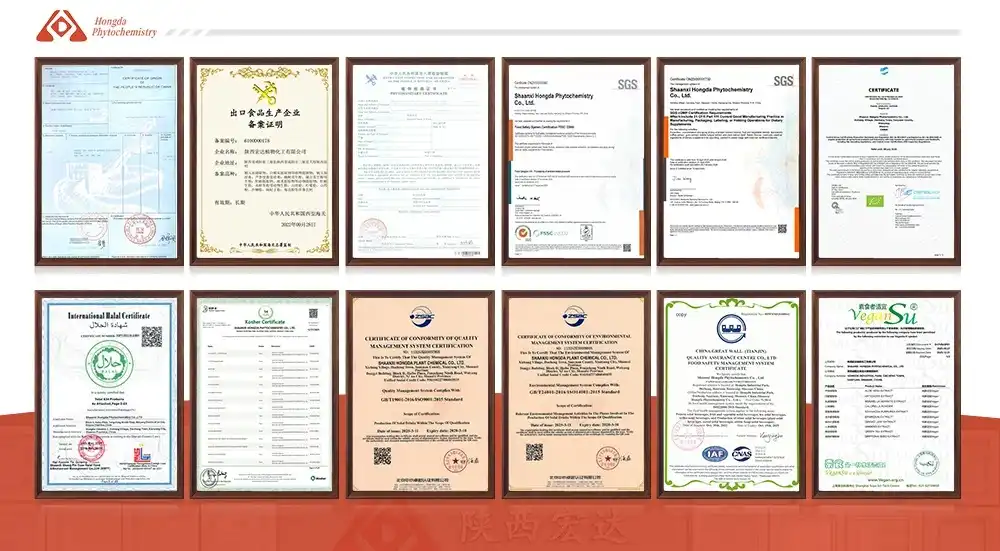
In 2026, the company added cGMP, FSSC22000, ISO22000, ISO9001, EU & NOP Organic certifications to their certification portfolio. Sourcing indole 3 carbinol powder from a registered producer makes it easier to go through compliance checks and lends credibility to final product quality claims when selling antioxidant products into regulated marketplaces throughout North America and Europe. This certification paper trail guarantees overseas purchasers that the quality criteria are always met for each batch of production received, whether it is a small sample order or a major yearly supply contract
Sourcing Bulk Indole-3-Carbinol for Antioxidant Formulations
Questions to Ask Before Ordering
Before finalizing a wholesale order, buyers should ask suppliers for certificates of analysis, antioxidant-relevant stability data, and sample batches of indole-3-carbinol powder to confirm the ingredient meets internal formulation standards. Understanding a supplier's typical lead times, minimum order quantities, and production scheduling flexibility also helps brands plan product launches without unexpected sourcing delays. Hongda's warehouse, covering 3,000 square meters across six dedicated storage areas, maintains inventory levels that support consistent bulk indole-3-carbinol availability even as demand for antioxidant-positioned ingredients continues rising across global nutraceutical markets.
Packaging and Documentation for Export Markets
Export markets vary considerably in their labeling, packaging, and documentation requirements, making supplier flexibility an important consideration for brands sourcing indole-3-carbinol powder internationally. Suppliers capable of providing customized packaging sizes and market-specific certificate formats reduce the administrative burden associated with importing specialty ingredients from overseas manufacturers. Hongda's export experience across food, feed additive, and phytochemical categories has given the company practical familiarity with the documentation expectations of buyers in different regulatory regions, helping new customers move from initial inquiry to finalized purchase order more efficiently.
Establishing a Long-Term Supply Relationship
Antioxidant ingredient trends can shift as new research emerges, making it valuable for brands to work with manufacturers capable of adapting production alongside evolving market interest. Hongda's combination of owned planting bases, in-house R&D institutions, and an expanding certification portfolio positions the company as a partner suited to long-term growth rather than isolated transactions. Buyers who establish direct relationships with manufacturers, rather than depending solely on trading intermediaries, generally gain more consistent access to bulk indole-3-carbinol supply and better visibility into production planning as their own antioxidant product lines continue expanding.
Conclusion
Indole 3 carbinol powder offers formulators a scientifically grounded option for antioxidant and cellular-health product development, supported by research into free radical neutralization, enzyme-system interaction, and its complementary relationship with liver detoxification. Shaanxi Hongda Phytochemistry Co., Ltd. backs this ingredient with substantial manufacturing capacity, in-house SGS-standardized testing, and an expanding certification portfolio suited to international markets. Brands building differentiated antioxidant formulas can source bulk indole-3-carbinol with confidence when partnering with a manufacturer that understands both the science and the practical realities of ingredient sourcing. From purification standards that preserve bioactivity to certifications that satisfy regulators across major export markets, every part of the supply chain contributes to a finished antioxidant product that performs as promised. Reach out today to begin your next formulation project.
FAQ
1. How might indole 3 carbinol powder support antioxidant activity?
Research suggests it may help neutralize free radicals and interact with the body's natural antioxidant enzyme systems.
2. Can it be combined with other antioxidant ingredients?
Yes, it pairs well with vitamin C, vitamin E, and polyphenol extracts in layered antioxidant formulas.
3. Is there a connection between antioxidant activity and liver support?
Yes, the liver helps clear oxidative byproducts, making antioxidant and detoxification support naturally complementary.
4. What quality checks does Hongda perform on this ingredient?
Hongda tests purity, heavy metals, moisture, and microbial safety in its own SGS-standardized laboratory.
Partner With HONGDA for a Research-Backed Antioxidant Ingredient
Ready to build an antioxidant or cellular-health formula around a well-documented, research-supported ingredient? Shaanxi Hongda Phytochemistry Co., Ltd. supplies indole 3 carbinol powder backed by decades of manufacturing experience, in-house SGS-standardized testing, and an expanding international certification portfolio. Our team can provide certificates of analysis, stability documentation, and flexible packaging to support your bulk indole-3-carbinol requirements at any production scale. Don't let sourcing uncertainty slow down a differentiated product your customers are looking for. Contact Hongda directly at duke@hongdaherb.com today to request samples, discuss specifications, or receive a wholesale quote for your upcoming launch.
References
1. Amarakoon, D., Lee, W.-J., Tamia, G., & Lee, S.-H. (2023). Indole-3-Carbinol: Occurrence, Health-Beneficial Properties, and Cellular/Molecular Mechanisms. Annual Review of Food Science and Technology, 14, 347–366.
2. Shertzer, H. G., & Senft, A. P. (2000). The micronutrient indole-3-carbinol: implications for disease and chemoprevention. Drug Metabolism and Drug Interactions, 17(1–4), 159–188.
3. Arnao, M. B., Sánchez-Bravo, J., & Acosta, M. (1996). Indole-3-carbinol as a scavenger of free radicals. Biochemistry and Molecular Biology International, 39(6), 1125–1134.
4. Saha, A., et al. (2018). Prevention of doxorubicin (DOX)-induced genotoxicity and cardiotoxicity: Effect of plant derived small molecule indole-3-carbinol (I3C) on oxidative stress and inflammation. Biomedicine & Pharmacotherapy, 101, 228–243.
5. Indole-3-carbinol and its main derivative 3,3'-diindolylmethane: Regulatory roles and therapeutic potential in liver diseases. (2024). Biomedicine & Pharmacotherapy.