

_1745918362135.webp)

Phenibut Powder for Sale: Why Compliance Comes Before Price
What Legitimate B2B Phenibut Powder for Sale Really Means
The first thing to clarify when professional buyers notice phenibut powder for sale is the intended usage, since it affects whether a purchase is legal in the first place. Phenibut is a synthetic analog of GABA initially produced in Russia in the 1960s, where it has a history as a prescription drug. It is not permitted for use as a food or supplement ingredient in most other markets. Therefore, Hongda only sells its phenibut powder for laboratory-scale synthesis and research and development, and explicitly notes that it is not for use in nutritional supplements, cosmetics, food, or for direct human consumption. That precise posture is the hallmark of a responsible provider. Then buyers who operate in university labs, contract research, or synthetic chemistry may concentrate on quality data instead of gray-area claims.[1][2][3]
A Fragmented Global Regulatory Landscape
Regulation of phenibut varies dramatically from one jurisdiction to the next. Some authorities ban or limit commercial import even of laboratory-grade material, others demand licenses or permissions, and restrictions are modified often, so what is permitted this year may be different next year. That is why if you are considering buying phenibut powder, you should approach regulatory research as part of procurement and not an afterthought. Hongda’s own instruction is clear: the customer is solely responsible for import eligibility and the firm cannot guarantee customs clearance at any destination. On its product site, the company urges purchasers to verify local authority guidelines and get any necessary import permission prior to shipping, and to be aware that restrictions might change between calendar periods. By adding this checklist to your purchase process, you can safeguard your firm against shipping delays, product seizures, and harm to your reputation.
Why Serious Buyers Verify Import Eligibility Before Inquiry
Checking before asking saves everyone's time. In certain locations, customs officials may scrutinize shipping paperwork and may require that the commercial invoice and packing list explicitly specify that the commodities are for R&D laboratory use exclusively. Buyers establish local compliance, and Hongda follows the directions of the import declaration. Hongda may define what compliance declarations may be written on shipping papers to evaluate before a sample request. That’s the type of openness you get with reputable phenibut powder for sale, and you should be wary of providers that skip the discussion and promise clearance. Confirm your permissions. Check document language with your customs broker. Then continue to samples. That maintains a professional connection, keeps the documentation neat, and tells your own compliance team that procurement was done with care.
Reading the Specification: What the Data Sheet Actually Tells You
Identity and Purity: CAS 1078-21-3 and a 98 Percent Specification
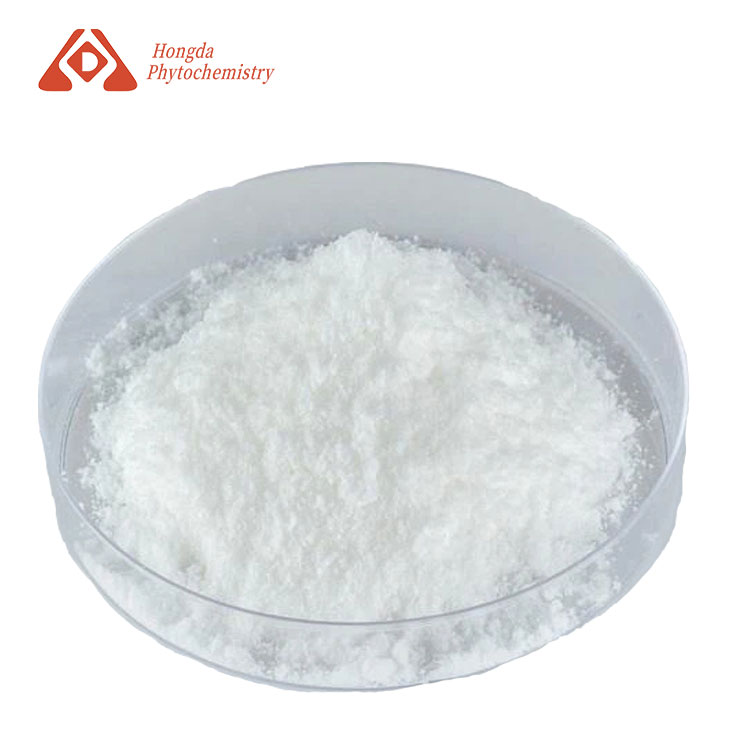
Identity and purity are the cornerstones of any careful assessment of phenibut powder for sale. Hongda’s product is phenibut hydrochloride (also known as 4-amino-3-phenylbutyric acid hydrochloride, CAS 1078-21-3), which is delivered as a white crystalline powder with a 98 percent commercial specification. The published certificate of analysis demands an assay of not less than 99.0 percent by HPLC, and gives 99.34 percent. Identification is by infrared or chemical procedures under USP style testing. Hongda also explains a three-stage recrystallization and solvent stripping purification procedure, and gives HPLC data including isomer-related material testing upon request. The product site states a purity of above 99.5 percent in its description; therefore, purchasers should be looking at the lot-specific certificate and not a headline figure when comparing quotes.
Impurity Profile: Related Substances, Metals, and Residual Solvents
But purity is just part of the story. It’s the impurities that determine whether a batch will behave reliably in your synthesis or analytical job. Related chemicals are at 0.01 per cent, with a limit of 0.5 per cent; residue on ignition is at 0.04 per cent, and heavy metals are below 10 ppm. Arsenic, lead, mercury and cadmium are all recorded below specification limits. Iron must be lower than 50 ppm and sulfated ash less than 500 ppm. For example, Hongda adds full-scan GC-MS testing for residual solvents, which enables it to keep them far below ICH limits and below 100 ppm. It may provide NMR comparison charts with every shipment in an effort to assist purchasers in identifying pharmaceutical-quality material from low-grade industrial goods. Taken together, these tests provide many independent lines of evidence for your quality team.[4]
Physical Properties: Melting Point, pH, Moisture, and Handling
Physical data is a fast reality check on a number of things. Melting point is 198.5 to 200.5 degrees Celsius in a 194 to 202 degrees range; pH is 2.63 in a 2.3 to 2.7 window; loss on drying is 0.20 percent in a 0.5 percent limit, the certificate shows. Those quantities are for a well-crystallized low-moisture hydrochloride salt. Hongda further points out that regulated crystallization offers its crystals minimal surface free energy and enhanced resistance to caking between 20 and 30 degrees Celsius, which helps with continuous handling in a laboratory or pilot environment. If you are a buyer evaluating phenibut powder for sale from different suppliers, you should ask for the same set of physical tests from each seller and then compare the findings side by side, rather than taking marketing descriptions at face value.
|
Item
|
Specification
|
Result
|
Method
|
|---|---|---|---|
|
Appearance
|
White crystalline powder
|
White crystalline powder
|
Organoleptic
|
|
Assay
|
≥99.0%
|
99.34%
|
HPLC
|
|
pH
|
2.3-2.7
|
2.63
|
USP
|
|
Loss on drying
|
≤0.5%
|
0.20%
|
USP
|
|
Melting point
|
194-202 °C
|
198.5-200.5 °C
|
USP
|
|
Residue on ignition
|
≤0.1%
|
0.04%
|
USP
|
|
Related substances
|
≤0.5%
|
0.01%
|
USP
|
|
Arsenic / Lead / Mercury / Cadmium
|
≤2 / ≤3 / ≤0.1 / ≤1 ppm
|
Within limits
|
USP
|
Choosing Between HCl and Free Amino Acid Forms
Phenibut HCl: Crystallinity and Water Solubility
For most labs, the hydrochloride form is the default option and is the substance mentioned in the Hongda standard. Its advantages include exceptional crystallinity and great water solubility that facilitate the weighing, dissolving, and reproduction of analytical standards. Note that the salt is acidic, as indicated by a certified pH of roughly 2.6, and this should be taken into account when designing buffers or reaction conditions. A well-crystallized hydrochloride is simpler to define than an amorphous or changeable substance, which is important for researchers who require reproducible data from run to run. If you are comparing HCl form phenibut powder for sale from various vendors, look at the assay, associated chemicals, and moisture, since those three values will account for most of the batch-to-batch variations you see later in your own research.
Free Amino Acid Form: The Near-Neutral Option
Hongda also has a free amino acid form, usually abbreviated FAA, as part of a dual supply system: The FAA material is more neutral, pH 6.5-7.0, which certain research programs need when they require less acidic solutions or wish to avoid adding chloride. The choice between the two forms is a technical decision, which should be based on your experimental design, not a marketing preference. If you don't know, ask for tiny samples of each and test yourself under your own settings. A provider that can offer you either salt or free-form provides flexibility and avoids the need to seek for different phenibut powder for sale ads when your project needs to alter or progress to a new stage.
Particle Size, Blends, and Handling a Moderately Hygroscopic Powder
Hongda offers particle size customization from 50 to 200 micrometers, with specific targets such as D90 at or below 150 micrometers available at order stage, plus pre-mixed excipient blends with lactose or starch and polymorph control to tune dissolution behavior. It is frank about handling: the substance is highly hygroscopic and prolonged exposure to humid air may produce minor caking which regrinding cannot completely restore. Reseal drums immediately after removing aliquots and store powder in tight containers in a cold, dry area. For discussion on customisation, please send an email to duke@hongdaherb.com to ask for a sample or compliance paperwork for your project. Such helpful advice should be included with any reputable phenibut powder for sale. The supply alternatives are summarized in Table 2.
|
Option
|
Characteristics
|
Typical Research Consideration
|
|---|---|---|
|
HCl form
|
Extreme crystallinity, excellent water solubility
|
Aqueous work and routine analytical standards
|
|
Free amino acid (FAA) form
|
Near-neutral pH, about 6.5-7.0
|
Studies needing less acidic solutions
|
|
Particle size
|
50-200 µm or custom ranges
|
Flow, dissolution, and blending studies
|
|
Excipient blends
|
Pre-mixed with lactose, starch, or other carriers
|
Formulation development work
|
|
Polymorph control
|
Tailored crystal behavior
|
Dissolution profile optimization
|
Qualifying a Supplier: Documents, Samples, and Logistics
Documents to Request Before You Order
The quickest approach to identify competent vendors from opportunists is a paperwork bundle. If you are ordering phenibut powder for sale, be sure to ask for a lot-specific certificate of analysis, a safety data sheet, HPLC data for isomer-related chemicals, GC-MS residual solvent findings, and NMR comparison charts. Hongda says their documentation package also has DMF or ASMF support and ICH stability data, and it can provide regional compliance kits for the EU, US, APAC, and developing markets on request. Match each document to the lot number on your sample and have your regulatory or quality colleagues check them before any mass commitment. Good documentation is no substitute for your own testing, but it demonstrates that the provider is happy to be looked over and is ready for it.[6]
Sample Validation and Independent Testing
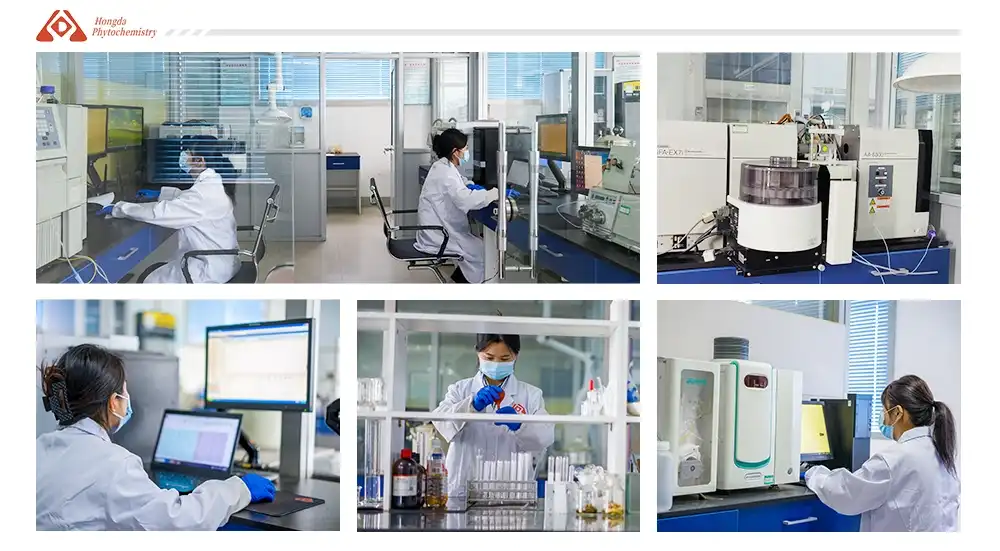
We recommend that consumers validate with a trial sample in the lab before ordering in bulk, instead of only relying on datasheet values. That is precisely the proper approach for phenibut powder for sale. Identity by IR or NMR, test for associated compounds by your own certified HPLC technique, moisture, and residual solvents. “It supports third-party blind testing,” explains Hongda, “so you can send a coded sample to an independent lab and compare results with the certificate.” Analytical processes should be based on generally accepted validation principles, and residual solvent limits should be viewed according to ICH recommendations. If your independent findings match the certificate on two or three batches, then you have strong proof that the supplier can produce consistent quality at scale.[4][5]
Packing, Lead Times, and Partnering With Hongda
Hongda ships phenibut powder in 25 kg drums with 27 drums per tray, with standard delivery in three to seven working days, while larger volumes such as 500 kg orders typically run four to six weeks. Volume pricing is available for orders of 50 kg or more, and the company holds cGMP, KOSHER, HALAL, BRC, ORGANIC, ISO9001, and ISO22000 credentials. Shaanxi Hongda Phytochemistry Co., Ltd. was established in 2001 and named a National High-tech Development Enterprise in 2010, with a 20,000 square meter factory, more than ten production lines, over 150 technicians, and an SGS-standardized laboratory staffed by more than 20 professor-level personnel. For buyers comparing phenibut powder for sale, that infrastructure supports consistent supply. Table 3 gathers the key facts.
|
Item
|
Details
|
|---|---|
|
Product
|
Phenibut / 4-amino-3-phenylbutyric acid hydrochloride
|
|
CAS No.
|
1078-21-3
|
|
Specification
|
98%; white powder
|
|
Packing
|
25 kg per drum, 27 drums per tray
|
|
Delivery
|
3-7 working days; 500 kg orders: 4-6 weeks
|
|
Volume pricing
|
Orders of 50 kg or more
|
|
Intended use
|
Laboratory R&D and synthetic work only
|
Conclusion
Buying phenibut powder for sale is a compliance decision first and a technical decision second. Confirm that your use is lawful, verify import eligibility, and then judge suppliers by data: an HPLC assay near 99 percent, low related substances, controlled residual solvents, and lot-specific documents. Hongda supplies phenibut hydrochloride and a free amino acid option for laboratory and synthetic work, with clear compliance guidance, sample support, and flexible particle sizes. Start with a small validated sample, involve your regulatory team early, and scale only when the evidence agrees. Clear documents today protect your organization, your partners, and your reputation tomorrow. Contact Hongda to discuss documentation and sample requirements for your project.
FAQ
Q: What is Hongda's phenibut powder intended for?
A: Laboratory-scale synthesis and R&D only. It is not intended for dietary supplements, cosmetics, food, or direct human use.
Q: What purity does the phenibut powder have?
A: The specification is 98 percent, and the published certificate reports an HPLC assay of 99.34 percent against a minimum of 99.0 percent.
Q: Which forms are available?
A: Hongda supplies the hydrochloride form and a free amino acid form with near-neutral pH, plus particle size and blend customization.
Q: How is the powder packed and how long does delivery take?
A: Packing is 25 kg per drum, 27 drums per tray, with delivery in three to seven working days for standard orders.
Q: What should I do before ordering?
A: Verify local import rules, obtain any required permits, review documents for your lot, and validate a trial sample in your own laboratory.
Request Compliant Phenibut Documentation from HONGDA
HONGDA welcomes buyers who value compliance as much as quality. Shaanxi Hongda Phytochemistry Co., Ltd. supplies phenibut powder for sale at a 98 percent specification for laboratory-scale synthesis and R&D, backed by HPLC data, GC-MS residual solvent testing, NMR comparison charts, and a documentation suite built for regulatory review. Our specialists will explain which compliance statements can appear on shipping documents, recommend a sample plan, and quote packing, particle size, and delivery options for your project. Confirm your local import requirements first, then send your intended use, volume, and destination to duke@hongdaherb.com, and let HONGDA help you move from inquiry to validated sample with clear paperwork and dependable service from the first message. We look forward to your inquiry.
References
1. Lapin, I. (2001). Phenibut (beta-phenyl-GABA): A tranquilizer and nootropic drug. CNS Drug Reviews, 7(4), 471-481.
2. Penzak, S. R., & Bulloch, M. (2024). Phenibut: Review and Pharmacologic Approaches to Treating Withdrawal. The Journal of Clinical Pharmacology, 64(6), 652–671.
3. Owen, D. R., Wood, D. M., Archer, J. R., & Dargan, P. I. (2016). Phenibut (4-amino-3-phenyl-butyric acid): Availability, prevalence of use, desired effects and acute toxicity. Drug and Alcohol Review, 35(5), 591-596.
4. International Council for Harmonisation. (2021). ICH Harmonised Guideline Q3C(R8): Impurities: Guideline for Residual Solvents.
5. International Council for Harmonisation. (2023). ICH Harmonised Guideline Q2(R2): Validation of Analytical Procedures.
6. International Council for Harmonisation. (2003). ICH Harmonised Tripartite Guideline Q1A(R2): Stability Testing of New Drug Substances and Products.