


_1745918362135.webp)

Start With a Five-Point Framework for Judging Phenibut Powder Quality
The Short Answer: Identity, Assay, Impurities, Physical Form, and Paperwork
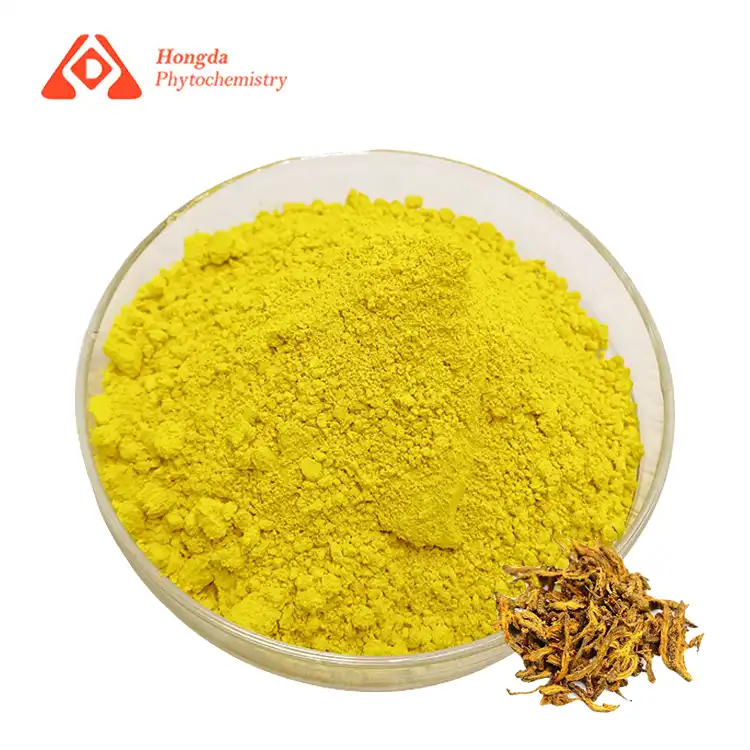
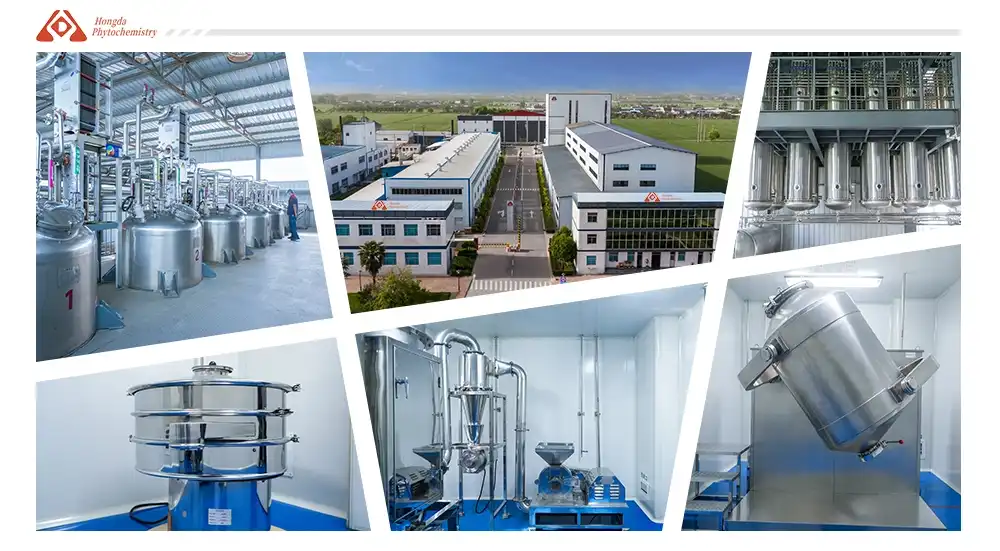
A trusted review of phenibut powder for sale follows a basic order. First, check the identity, i.e., the item is truly phenibut hydrochloride, CAS 1078-21-3, by IR, NMR, or chemical identification. Second, Hongda) at 99.34 percent by HPLC against a minimum of 99.0 percent. Thirdly, the impurity profile comprising related compounds, heavy metals, and residual solvents should be examined. Fourth, look at physical behavior such as melting point, pH, moisture, and crystal appearance. Fifth, look at the documentation, including certificates of analysis, safety data sheets, and traceability records. A batch that passes all five criteria is significantly more trustworthy than one that only touts a high purity score, and the framework keeps your team focused on evidence that can really be validated.[1][2][3][4]
Why Headline Purity Numbers Can Mislead
Two providers may sell the same purity yet send wildly different material. Headline figures may be the consequence of various procedures, different batches, or different definitions of purity. Some postings claim a goal number rather than a measured result. Hongda product site explains why care must be taken. It gives a commercial standard of 98 percent, refers to purity of over 99.5 percent in its description, and reports 99.34 percent on the lot certificate. The three figures are all helpful, but only the certificate specifies a tested lot. When comparing phenibut powder for sale, ask each supplier for the assay technique, the reference standard, the lot number, and the associated compound results, and compare like with like. Hongda itself urges its clients to do laboratory validation using a trial sample instead of relying just on the datasheet numbers.[1][4]
Where Hongda's Phenibut Powder Fits the Framework
Hongda’s phenibut powder follows the same logic of quality. The purification requires three-stage recrystallization and laborious solvent stripping with the target of a well-crystallized hydrochloride with uniform physical behavior. Testing includes HPLC, GC-MS, and NMR. HPLC data containing isomer-related chemicals may be provided upon request. NMR comparison charts can be sent with each shipment. The crystals are formed under regulated circumstances which reduce the surface free energy and enhance the resistance to caking. This substance is offered by Hongda for laboratory-scale synthesis and R&D use only and is said not to be intended for use as a dietary supplement, food, cosmetic, or for direct human use, and import eligibility is at the discretion of the buyer. For teams screening phenibut powder for sale, that clear description of scope belongs on the checklist together with the technical data.
Analytical Methods That Confirm Purity
HPLC Assay and Related Substances
HPLC is the workhorse of phenibut quality control since it measures the active ingredient and its associated compounds in a single system. Hongda’s certificate specifies a minimum assay of 99.0 percent and a reported assay of 99.34 percent. Related compounds are restricted to 0.5 percent and assessed at 0.01 percent. A relevant HPLC assessment must comprise a certified reference standard, equipment suitability checks, duplicate injections, and the technique must be verified according to established criteria such as ICH Q2. Don’t simply ask for numbers; ask if the provider can send chromatograms. You want to look at peak form and check for unusual peaks. Hongda can provide HPLC data and testing for isomer-related substances on request. This level of chromatographic data is what differentiates professional vendors from those that just give a percentage when you are shortlisting phenibut powder for sale.
NMR and Infrared for Identity
Identity testing asks a straightforward question that assay alone can not answer: Is this the correct molecule? The infrared spectroscopy and chemical identification tests reported as positive on the Hongda certificate are consistent with functional groups and salt form. NMR does more than just provide you with structure. It shows you impurities that a chromatographic approach could miss. Hongda points out that industrial-grade goods often have clear impurity peaks at characteristic places, and it offers NMR comparison charts for each batch so that consumers can see the difference for themselves. Compare your lot’s spectrum to a reference spectrum or to a previously approved lot and file the files with your quality records. Good identification data means each batch of phenibut powder for sale has a fingerprint to compare subsequent batches against.
GC-MS for Residual Solvents
Recrystallization enhances purity but might leave traces of solvent behind if the process is not controlled appropriately. This is why residual solvent testing is important for every phenibut powder for sale. Hongda performs full-scan GC-MS and reports that the findings are considerably below ICH limits, with residual solvents at less than 100 ppm. Its procedure has a separate step of solvent stripping following recrystallization. Buyers may compare reported findings to ICH Q3C categories, and a laboratory that conducts its own headspace or GC-MS technique can independently confirm the supplier’s figure. Third-party examinations are also supported by solvent data, which Hongda claims their substance is meant to pass. Ask for the solvent list, the reporting limits, and the chromatograms for every solvent result.[4]
|
Method
|
What It Confirms
|
Hongda Reference
|
|---|---|---|
|
HPLC
|
Assay, related substances, isomer-related substances
|
Assay 99.34%; related substances 0.01%
|
|
IR / chemical identification
|
Identity of the compound
|
Positive
|
|
NMR
|
Structure and impurity signals
|
Comparison charts with each shipment
|
|
GC-MS
|
Residual solvents
|
Full scan; below 100 ppm
|
|
USP tests
|
pH, drying loss, ignition residue, melting point, metals
|
Reported on the certificate
|
Beyond the Assay: Metals, Moisture, and Solution Behavior
Heavy Metals and Inorganic Residues
Inorganic impurities rarely appear on an HPLC trace, so they need their own tests. Hongda's certificate limits heavy metals to 10 ppm and reports results below that level, with iron limited to 50 ppm, sulphated ash to 500 ppm, and individual limits for arsenic at 2 ppm, lead at 3 ppm, mercury at 0.1 ppm, and cadmium at 1 ppm. Residue on ignition is limited to 0.1 percent and measured at 0.04 percent. These results describe a clean, well-controlled material, and they give laboratories confidence that trace metals will not disturb catalysts or analytical baselines. When you review phenibut powder for sale, check that the metals list is complete, that limits are stated, and that the test method is identified, because vague statements such as compliant without numbers offer little protection.
Moisture, pH, and Melting Point as Quick Quality Signals
Some of the fastest quality checks are also the simplest. Loss on drying is limited to 0.5 percent and measured at 0.20 percent, the pH is 2.63 within a 2.3 to 2.7 window, and the melting point of 198.5 to 200.5 degrees Celsius sits within a 194 to 202 degree range. A wide melting range, an off-spec pH, or high moisture can signal impurities or poor storage before any advanced instrument is used. Because these tests are inexpensive, repeat them on receipt of every lot of phenibut powder for sale. If you would like the certificate for a specific lot or want to compare your incoming results with Hongda's data, email duke@hongdaherb.com and the team will share the documents that match your sample request.[1]
Solution Behavior: Odor, Clarity, and Color After Dissolution
A simple dissolution test can reveal problems that numbers hide. According to Hongda, genuine high-purity phenibut hydrochloride should dissolve into a colorless, odorless, clear, watery solution with only a slight acidity. A strong solvent or metallic smell suggests insufficient recrystallization, and Hongda's three-stage purification is designed to avoid that outcome. Combine this observation with a clarity check under good lighting and a color comparison against a fresh reference. The test takes minutes and uses no special equipment, yet it can flag a suspicious lot before it enters your workflow. Add it to your receiving inspection for every batch of phenibut powder for sale, and record the result alongside your HPLC and identity data. Table 2 lists common warning signs and what they may indicate.
|
Observation
|
Possible Meaning
|
Hongda Reference
|
|---|---|---|
|
Strong solvent or metallic odor after dissolving
|
Insufficient recrystallization
|
Three-stage recrystallization; clear, watery solution
|
|
Obvious impurity peaks in NMR or HPLC
|
Industrial-grade material
|
NMR comparison charts for each batch
|
|
Slight caking in stored powder
|
Moisture exposure
|
Moderately hygroscopic; reseal drums immediately
|
|
Blind test result far from certificate
|
Inconsistent quality
|
Third-party blind testing supported
|
|
Certificate without lot number or methods
|
Weak traceability
|
Full traceability documentation
|
Verifying the Supplier Behind the Powder
Documentation Suite and Traceability
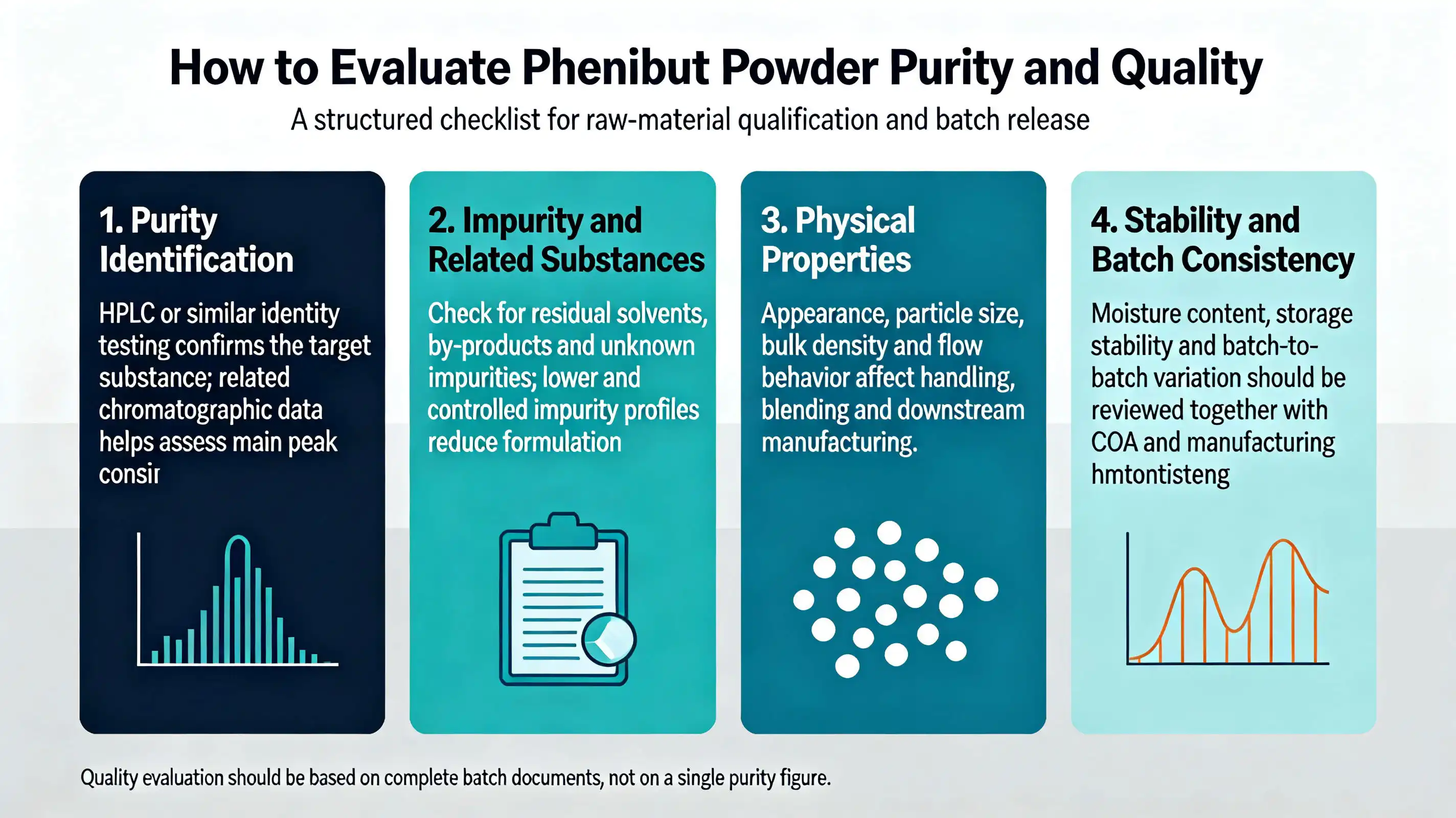
Quality is easier to trust when it can be traced. A complete package for phenibut powder for sale should include a lot-specific certificate of analysis, a safety data sheet, and a certificate of conformity, plus stability data and process validation reports for teams that need them. Hongda states that its documentation suite covers COA, MSDS, COC, ICH stability data, and process validation reports, with DMF or ASMF support and regional compliance kits available on request. Its manufacturing is described as fully traceable, and it holds cGMP, KOSHER, HALAL, BRC, ORGANIC, ISO9001, and ISO22000 credentials. Match every document to the lot number on your sample, ask your quality unit to review them, and file them together so that any future audit or investigation can be answered quickly and completely.
Storage and Handling to Protect Quality After Delivery
Even excellent material can lose quality through poor storage. Hongda's certificate calls for tight containers kept in a cool, dry place at room temperature, and its stability guidance mentions controlled humidity of 20 to 30 percent relative humidity at 15 to 25 degrees Celsius. The company also states plainly that its phenibut is moderately hygroscopic, so long exposure to humid air can cause slight caking that regrinding cannot fully reverse. Reseal drums immediately after taking aliquots, and record the date each drum is opened. Treat these habits as part of the quality program for any phenibut powder for sale you bring into your laboratory, because a well-documented storage history is often the deciding factor when a result needs to be defended later. Table 3 summarizes the key parameters.
|
Parameter
|
Guidance
|
|---|---|
|
Container
|
Tight containers
|
|
Environment
|
Cool, dry place at room temperature
|
|
Stability conditions
|
15-25 °C with 20-30% relative humidity
|
|
Hygroscopicity
|
Moderate; reseal drums immediately after sampling
|
|
Packing
|
25 kg per drum, 27 drums per tray
|
Sample Validation, Blind Testing, and Ordering With Hongda
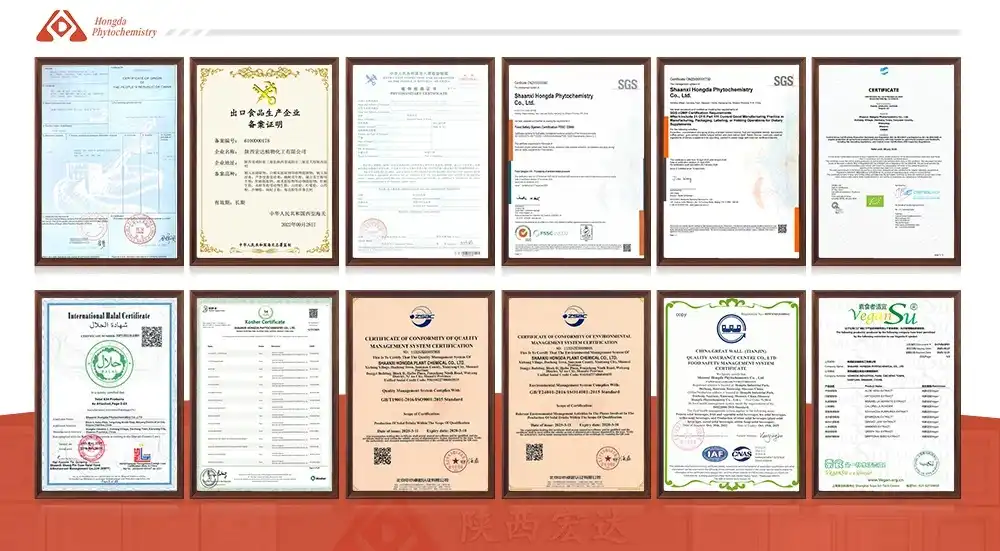
The final step is your own laboratory. Request a trial sample, run identity, assay, related substances, moisture, and residual solvent tests, and compare each result with the certificate. Hongda supports third-party blind testing, so an independent laboratory can check the material without knowing the supplier's numbers. Standard delivery of phenibut powder for sale takes three to seven working days, and larger 500 kg orders typically take four to six weeks. Shaanxi Hongda Phytochemistry Co., Ltd. was established in 2001 and named a National High-tech Development Enterprise in 2010, with a 20,000 square meter factory, more than ten production lines, 100,000-level purification workshops, and an SGS standardized laboratory with over 20 professor-level personnel. Confirm import rules and permits for your destination before ordering, because that responsibility rests with the buyer.
Conclusion
The evaluation of phenibut powder for sale and quality is based on many tiers of evidence: identification using IR and NMR, assay and associated compounds using HPLC, solvents using GC-MS, metals and moisture using standard tests, and a final confirmation of the behavior of the solution and the history of storage. Hongda supports this process with a 98 percent specification, 99.34 percent HPLC result, three-stage recrystallization, complete traceability, and a documentation suite for quality teams. Request lot-specific data, verify a trial sample, and engage independent testing before expanding. Before you begin, check the local import regulations. Clear proof safeguards your study, budget, and reputation. Call Hongda now for certifications and example information for the project.[1][2][3][4]
FAQ
Q: What purity does Hongda's phenibut powder have?
A: The specification is 98 percent, and the published certificate reports an HPLC assay of 99.34 percent against a minimum of 99.0 percent.
Q: Which tests confirm phenibut identity and impurities?
A: Infrared or chemical identification, HPLC with related substances, NMR comparison charts, and GC-MS for residual solvents.
Q: What does a low-quality phenibut sample look like?
A: It may show a strong solvent or metallic odor after dissolving, impurity peaks in NMR or HPLC, or results that differ from the certificate.
Q: How should phenibut powder be stored?
A: In tight containers in a cool, dry place at room temperature, resealed immediately after sampling because the powder is moderately hygroscopic.
Q: Is Hongda's phenibut powder for consumer use?
A: No. It is supplied for laboratory-scale synthesis and R&D only, and buyers must confirm local import rules first.
Verify Your Phenibut Quality with HONGDA
HONGDA is ready to support quality teams that want evidence before they buy. Shaanxi Hongda Phytochemistry Co., Ltd. supplies phenibut powder for sale at a 98 percent specification for laboratory-scale synthesis and R&D, backed by HPLC data, GC-MS solvent testing, NMR comparison charts, and a complete documentation suite. Our specialists will share lot certificates, explain compliance statements for shipping documents, and recommend a sample plan so you can validate results in your own laboratory. Confirm your local import requirements first, then send your intended use, volume, and destination to duke@hongdaherb.com, and let HONGDA help you move from careful evaluation to a confident, well-documented purchase decision. We look forward to hearing from your quality and procurement teams, and we will respond promptly with the information you need.
References
1. International Council for Harmonisation. (1999). ICH Harmonised Tripartite Guideline Q6A: Specifications: Test Procedures and Acceptance Criteria for New Drug Substances and New Drug Products: Chemical Substances.
2. International Council for Harmonisation. (2006). ICH Harmonised Tripartite Guideline Q3A(R2): Impurities in New Drug Substances.
3. International Council for Harmonisation. (2022). ICH Guideline Q3D(R2): Guideline for Elemental Impurities.
4. International Council for Harmonisation. (2023). ICH Harmonised Guideline Q2(R2): Validation of Analytical Procedures.