



Organic Microalgae Blend Spirulina & Chlorella Powder Benefits
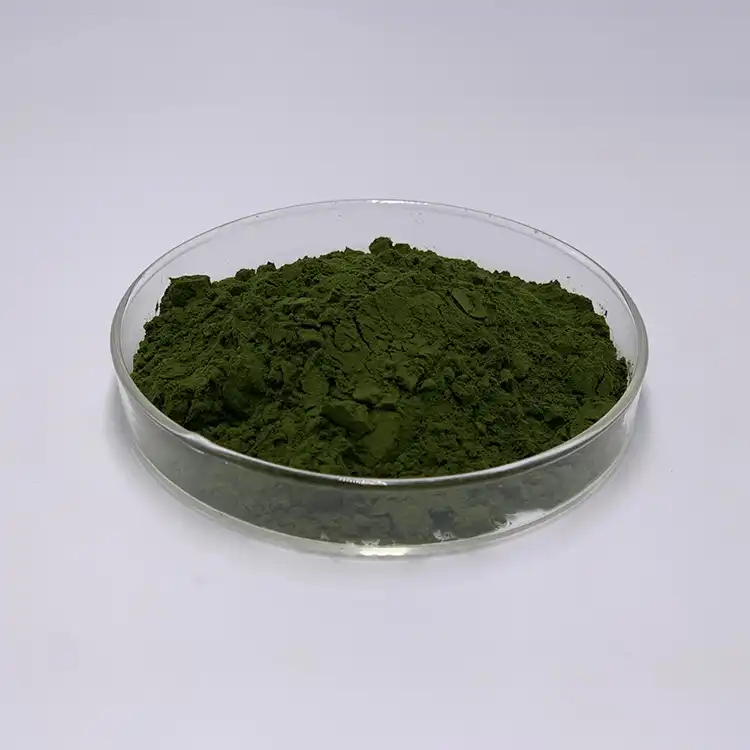
Procurement managers and formulators seldom ask whether microalgae is “healthy”—science answered that question years ago. What keeps them up at night is whether the drum that shows up at their warehouse is going to cake into a brick, fail a hefty metal screen, or be simply softly stretched with inferior green fillers. This is exactly the gap Hongda Phytochemistry was established to bridge. Shaanxi Hongda Phytochemistry Co., Ltd. has evolved into a national high-tech firm since 2001, with 20,000 m2 of facilities, ten contemporary manufacturing lines and 100,000-class purifying workshops. Its organic microalgae blend spirulina & chlorella powder is manufactured under EU and NOP organic certification, cGMP, FSSC 22000 and BRC systems, with chelation-rate verification, adulteration screening and moisture-stability data provided batch by batch. Essentially, a nutrient-packed raw material that also passes through your QA department.
Why Global Buyers Specify an Organic Microalgae Blend
Nutrient Density That Justifies the Premium
A good quality organic microalgae mix of spirulina & chlorella powder provides 55-65% complete protein, all nine essential amino acids, chlorophyll, phycocyanin, carotenoids, iron, and B-group vitamins in one line of ingredients.[1][3][4] For businesses manufacturing greens powders, meal replacements, or clinical nutrition SKUs, that density takes three or four distinct raw ingredients out of the bill of materials – fewer suppliers, fewer COAs, fewer compliance files. Hongda’s mix is grown in regulated freshwater systems, picked at the pinnacle of cell maturity, and dried at low temperature to preserve phycocyanin, which breaks down fast beyond 60°C.[1][2] Independent testing on Hongda lots consistently indicates phycocyanin retention above spec and a vivid blue-green hue that survives the shelf, without browning in month three. Buyers should constantly examine colour stability data when comparing bids, not simply protein %, since it is the quickest visible indication of how gently a powder has been treated.
Standard Specification at a Glance
|
Parameter
|
Hongda Specification
|
Test Method
|
|---|---|---|
|
Appearance
|
Fine blue-green powder
|
Visual
|
|
Blend ratio (standard)
|
Spirulina 60% / Chlorella 40%
|
In-process weighing
|
|
Protein (dry basis)
|
≥ 58%
|
Kjeldahl
|
|
Phycocyanin
|
≥ 8%
|
UV-Vis spectrophotometry
|
|
Chlorophyll
|
≥ 1.8%
|
Spectrophotometry
|
|
Particle size
|
95% pass 100 mesh (200 mesh optional)
|
Sieve analysis
|
|
Loss on drying
|
≤ 7.0%
|
105°C, 3 h
|
|
Ash
|
≤ 8.0%
|
Gravimetric
|
|
Total plate count
|
≤ 10,000 cfu/g
|
GB 4789.2 / AOAC
|
|
Shelf life
|
24 months, sealed, dry
|
Stability study
|
Spirulina and Chlorella: Why the Combination Outperforms Either Alone
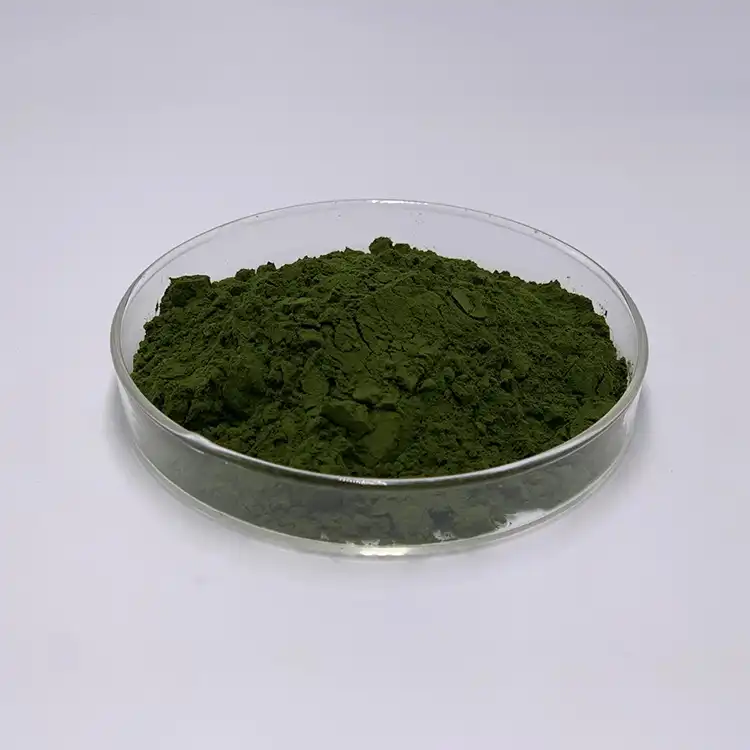
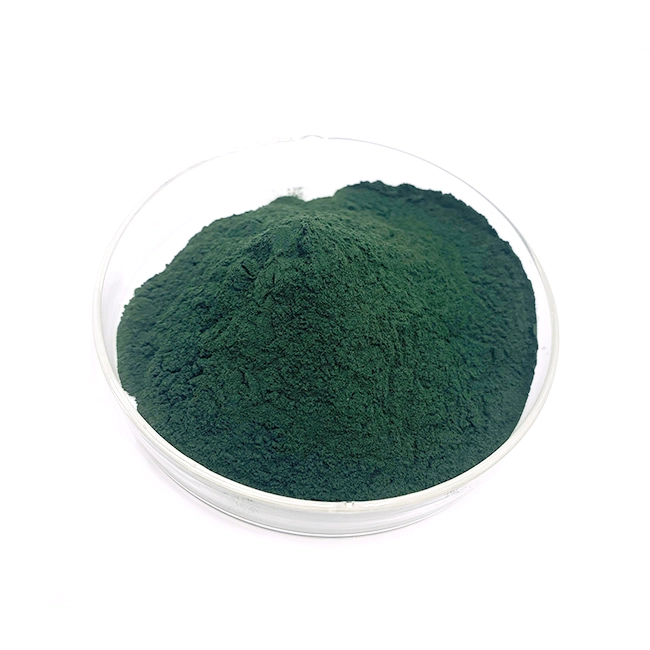
Spirulina is a cyanobacterium with a soft, digestible cell wall and excellent phycocyanin concentration. Chlorella is a real green algae with a thick cellulose wall that has to be physically fractured. Chlorella contains the Chlorella Growth Factor, increased chlorophyll, and a known propensity for binding specific environmental metals.[2] When blended into one organic microalgae mix, spirulina & chlorella powder, formulators have a wider amino-acid and pigment profile, a smoother sensory signature, and detox-positioning claims that single-strain powders can’t completely support. Hongda’s normal ratios are 50:50 and 60:40 spirulina-predominant, while the R&D team often creates unique ratios ranging from 70:30 through 30:70 for private-label clientele. All ratios are re-validated for protein, moisture, bulk density and flowability, so a change in ratio never silently destroys a customer’s tabletting criteria.
|
|
|
Inside the Factory: Process Controls That Protect Potency
Cell-Wall Cracking Without Cooking the Nutrients
The stiff cell wall of chlorella is the single largest obstacle to bioavailability, which may pass virtually undigested if the substance is not fractured. Hongda employs controlled mechanical disruption to obtain a cracking rate of > 95%, which is microscopically confirmed for every lot produced. The cracked chlorella is then mixed with spirulina under nitrogen-aided conditions. Too much shear causes heat, so the line is temperature-mapped, and the organic microalgae blend spirulina & chlorella powder is kept below the thresholds at which chlorophyll changes to pheophytin – the chemistry underlying the drab olive hue purchasers complain about.[2] The firm has its 100,000-class purifying workshops, over 150 qualified line technicians and ten production lines, so it is able to achieve 3,000 tons of yearly output without the batch-blending shortcuts that generate ratio drift between drums.
Traceability From Planting Base to Pallet
Hongda has three specialised planting and growing bases overseen by in-house agronomists, so the history of raw materials is recorded, not rebuilt. All lots of organic microalgae mix spirulina & chlorella powder have a traceability number referring to the harvest pond, drying date, cracking settings, blend batch, and warehousing zone. Finished items are stored in a 3,000 m 2 warehouse separated into six zones (A-F) with specialised sanitation personnel. Natural plant extracts are stored in zones C and D under humidity control. For importers undergoing EU organic equivalence checks or NOP audits, this chain-of-custody file literally means the difference between easy clearance and a cargo halted at port.
Batch Quality Control and the SGS-Standardised Laboratory
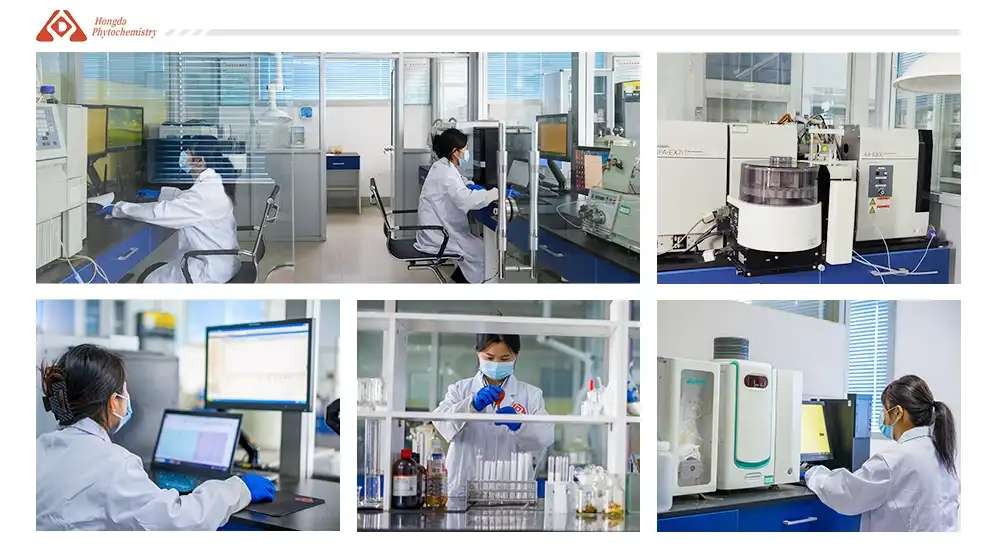
With university partners, Hongda developed an SGS standard laboratory with more than 20 professor-level researchers and analysts. The lab was equipped with HPLC, GC, atomic absorption spectrophotometers, UV-Vis spectrophotometers, automated titrators, polarimeters, and BOD/COD incubators. Every batch of organic microalgae mix spirulina & chlorella powder is tested for international norms for actives, pesticide residues, moisture, heavy metals, and microbiology prior to shipping. Results are consolidated in a batch COA plus raw chromatograms on request. R&D also conducts stability and compatibility studies, so clients coming out with a new SKU may ask for faster data rather than spending money to do a six-month study of their own.
Solving the Three Problems Buyers Actually Call About
Chelation Rate and Heavy-Metal Binding Verification
Chlorella is often touted for its binding ability, although few vendors can measure it. Hongda carries out an in vitro chelation-rate assay. This involves incubating a standard amount of organic microalgae blend spirulina & chlorella powder with specific metal-ion solutions at simulated gastric and intestinal pH, then measuring the residual free ions by atomic absorption spectrophotometry. This gives a percent binding rate per metal, allowing companies to have a defensible lab-produced number instead of a marketing word. The same equipment ensures incoming heavy-metal levels are met, meaning the substance binding the metals isn’t adding them – lead, cadmium, arsenic and mercury are assessed against EU Regulation 2023/915 and US state-level standards on every batch.[5][6]
If you are benchmarking suppliers and want to see a real chelation-rate report, full micro and heavy-metal panel, or 100 g evaluation sample with your current material, write to duke@hongdaherb.com and the technical team will send the documentation package before you commit to a trial order.
Adulteration Identification: Proving the Powder Is What the Label Says
Microalgae is often a target for commercially driven adulteration – spirulina spruced up with synthetic blue colourants, chlorella bulked up with alfalfa, wheatgrass or barley powder, protein numbers inflated with nitrogen-rich additions.[1][2][3] Hongda screens each lot of organic microalgae blend spirulina & chlorella powder using a layered approach including: HPLC fingerprinting of phycocyanin and chlorophyll profiles, microscopic cell-morphology counts to confirm actual spirulina-to-chlorella ratio, UV-Vis spectral comparison against reference standards and amino-acid profiling to detect non-algal nitrogen. Customers supplying regulated markets might request melamine and synthetic dye tests. And since the firm controls farming and processing from end to end, there is no third-party blending stage where replacement may occur in the first place.
|
Risk Point
|
Hongda Control Measure
|
Instrument / Method
|
|---|---|---|
|
Blend ratio drift
|
Microscopic cell counting per batch
|
Optical microscopy
|
|
Synthetic blue dye
|
Spectral + HPLC fingerprint vs. reference
|
HPLC / UV-Vis
|
|
Green filler (alfalfa, barley)
|
Chlorophyll ratio & morphology check
|
Spectrophotometry
|
|
Nitrogen spiking
|
Amino-acid profile cross-check
|
HPLC
|
|
Heavy-metal load
|
Four-metal panel, every lot
|
AAS
|
|
Pesticide residue
|
Multi-residue screen per EU/NOP
|
GC-MS / LC-MS
|
Moisture Uptake, Caking and Real-World Handling
The most common returns for bulk greens powders are complaints of hygroscopic caking. Algae powders easily absorb moisture from the atmosphere. Once loss-on-drying exceeds around 8%, lumping and flow failure in tablet hoppers occur, and pigment loss is exacerbated. Hongda delivers organic microalgae blend spirulina & chlorella powder in double food-grade PE liners inside fibre drums at ≤7% moisture, with desiccant and nitrogen flush available for humid-climate destinations. A case in point: a South-east Asian sachet maker experienced caking within eight weeks after receiving product from a former supplier. After switching to Hongda’s nitrogen-flushed packing and a 100-mesh spec tailored to their filler, the client confirmed free-flowing material at month six and reordered three tons. Storage recommendations are simple: < 25°C, < 60% RH, resealed soon after sampling.
Formulation Compatibility and EU/US Compliance Readiness
Blending Behaviour in Capsules, Tablets, Gummies and Beverages
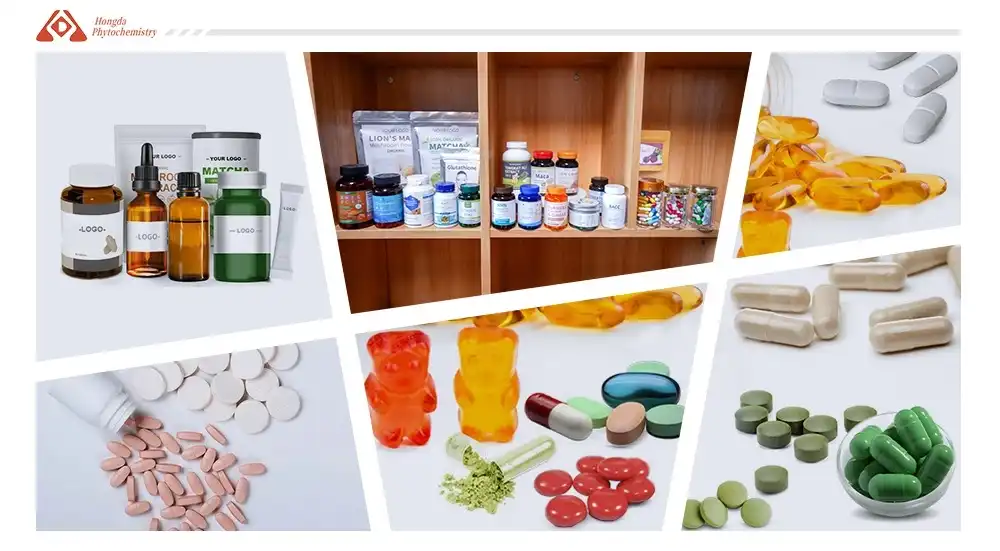
Formulators need to know how a powder acts next to all the other stuff in the hopper. Hongda’s organic microalgae mix spirulina & chlorella powder has a bulk density of approx. 0.40–0.55 g/mL, can be compressed satisfactorily with conventional binders like MCC and may be subjected to wet granulation at moderate drying temperatures. In drinks, it disperses with gentle agitation and generally requires acidity and pigment direction, since phycocyanin is pH-sensitive below 4.0 — the R&D team may suggest stabilising solutions or a chlorella-dominant ratio for acidic applications.[1] The important factors in gummies are dosage levels and casting temperatures, and Hongda offers trial amounts for pilot runs. We may provide compatibility notes with vitamins, minerals, probiotics, and botanicals upon request.
Certification and Documentation for Western Markets
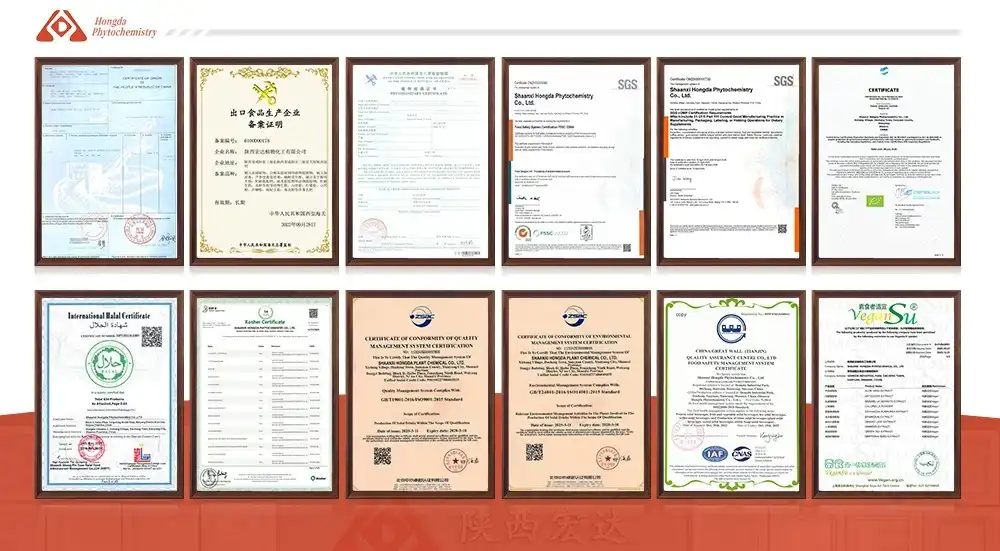
|
Document Type
|
Status at Hongda
|
|---|---|
|
Organic certification
|
EU Organic and USDA NOP
|
|
Food safety systems
|
FSSC 22000, ISO 22000, ISO 9001, BRC
|
|
Manufacturing standard
|
cGMP certified, SC licence
|
|
Religious certification
|
Halal and Kosher
|
|
Regulatory registration
|
FDA-registered facility
|
|
Enterprise status
|
National High-tech Enterprise (since 2010), multiple patents
|
|
Per-shipment files
|
COA, MSDS, allergen & GMO statements, flow chart, specification sheet
|
Supply Reliability, Samples and Next Steps
With extensive inventory in 6 warehouse zones, Hongda is able to supply standard ratios of organic microalgae mix spirulina & chlorella powder in days not weeks. Custom ratios and particle sizes are planned on manufacturing slots. Free samples for lab verification are normal procedure; most customers run their own third party confirmation before a first container, and Hongda promotes it. Two in-house R&D institutes handle customisation requests – instantised versions, tabletting grades, co-blends with other certified organic powders. The commercial team provides the compliance documentation your regulatory colleagues will certainly ask for.
Conclusion
The advantages of an organic microalgae blend spirulina & chlorella powder — full protein, phycocyanin, chlorophyll and proven binding ability – only reach the customer if the supply chain behind the drum is disciplined. Shaanxi Hongda Phytochemistry has certified organic cultivation, 95%+ chlorella cell-wall cracking, 100,000-class workshops and an SGS-standardised laboratory with the specific data buyers need: chelation-rate reports, adulteration fingerprints, moisture-stability results and a full EU/NOP compliance pack. 20 years of manufacturing experience, a capacity of 3,000 tons a year, and consistent on-time delivery make an excellent ingredient, a dependable one. Order your sample and begin the verification process immediately.
FAQQ1: What is the standard spirulina-to-chlorella ratio?
60:40 spirulina-dominant as standard; custom ratios from 70:30 to 30:70 are available.
Q2: Is the chlorella cell wall cracked?
Yes — mechanical cracking above 95%, verified microscopically on every lot.
Q3: Can you provide chelation-rate test data?
Yes. Hongda runs in vitro chelation assays by atomic absorption spectrophotometry and shares reports on request.
Q4: How do you prevent caking during shipping?
Moisture is held at ≤7%, with double PE liners, fibre drums, desiccant, and optional nitrogen flush.
Q5: Which certifications support EU and US imports?
EU Organic, NOP, cGMP, FSSC 22000, ISO 22000, ISO 9001, BRC, FDA registration, Halal and Kosher.
Partner With HONGDA — Request Your Sample Today
Stop comparing specification sheets that all look the same. Ask Shaanxi Hongda Phytochemistry Co., Ltd. for what actually matters: a chelation-rate report, an adulteration fingerprint, a moisture-stability record, and a sample you can send to your own laboratory. Tell us your target ratio, mesh size, application and destination market, and our technical team will quote with the full compliance dossier attached — organic, cGMP, FSSC 22000, BRC, Halal and Kosher documentation included. With 3,000 tonnes of annual capacity and six stocked warehouse zones, we deliver on schedule, container after container. Email duke@hongdaherb.com today and let Hongda put verified organic microalgae blend spirulina & chlorella powder into your next formulation.
References
1. Gershwin, M. E., & Belay, A. (Eds.). Spirulina in Human Nutrition and Health. CRC Press, 2008.
2. Safi, C., Zebib, B., Merah, O., Pontalier, P.-Y., & Vaca-Garcia, C. "Morphology, composition, production, processing and applications of Chlorella vulgaris: A review." Renewable and Sustainable Energy Reviews, 2014.
3. Wells, M. L., et al. "Algae as nutritional and functional food sources: revisiting our understanding." Journal of Applied Phycology, 2017.
4. Kent, M., Welladsen, H. M., Mangott, A., & Li, Y. "Nutritional evaluation of Australian microalgae as potential human health supplements." PLOS ONE, 2015.
5. European Commission. Commission Regulation (EU) 2023/915 on maximum levels for certain contaminants in food.
6. Codex Alimentarius Commission. General Standard for Contaminants and Toxins in Food and Feed (CXS 193-1995), FAO/WHO.
_1752048008217.webp)