


_1745918362135.webp)

What is sodium hyaluronate powder used for?
Imagine waking up to skin that feels tight, flaky, and prematurely aged despite using countless moisturizers. This scenario affects millions globally, especially in dry climates or polluted urban environments. Sodium Hyaluronic Acid Powder from Hongda Phytochemistry offers a scientifically proven solution to this widespread concern. As Shaanxi Hongda Phytochemistry Co., Ltd. continues to advance natural ingredient technology, sodium hyaluronate powder has emerged as one of the most versatile and effective raw materials in cosmetic formulation, pharmaceutical applications, and wellness products. This pharmaceutical-grade white powder demonstrates exceptional moisture-binding capacity, holding up to one thousand times its weight in water while delivering deep hydration that transforms skin texture and appearance. Whether you're formulating premium anti-aging serums, developing joint health supplements, or creating medical-grade wound care products, understanding the full spectrum of sodium hyaluronate applications enables you to meet evolving consumer demands while maintaining exceptional product efficacy and safety standards that distinguish market leaders from competitors.
Understanding Sodium Hyaluronic Acid Powder and Its Properties
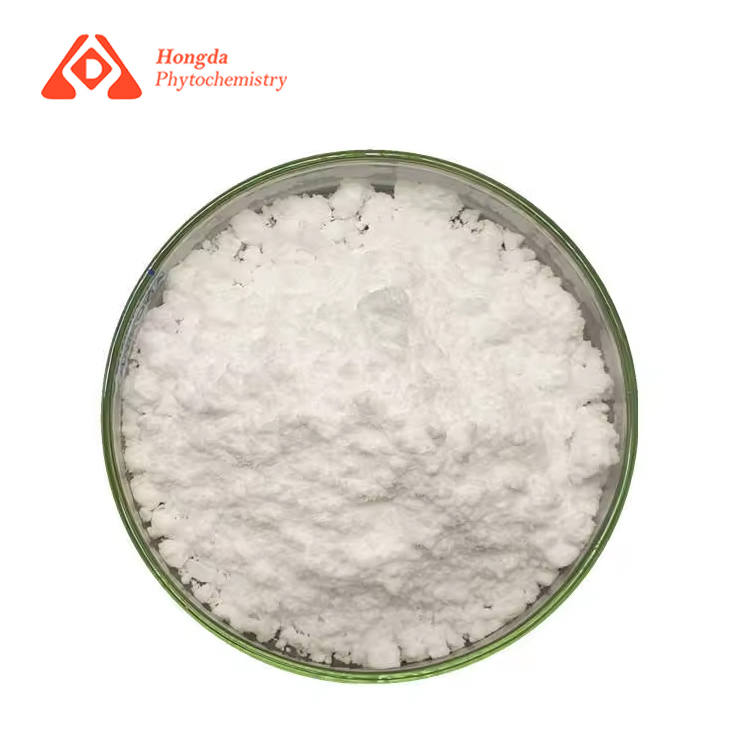
Sodium hyaluronate powder represents the sodium salt form of hyaluronic acid, a naturally occurring glycosaminoglycan found throughout human connective tissue, skin, and synovial fluid. This biocompatible compound plays crucial roles in tissue hydration, cellular nutrition transport, and structural matrix maintenance. When manufactured to pharmaceutical standards like those maintained by Shaanxi Hongda Phytochemistry Co., Ltd., Sodium Hyaluronic Acid Powder achieves purity levels exceeding ninety-nine percent, ensuring consistent performance across diverse formulation applications. The powder's white crystalline appearance and excellent water solubility make it ideal for incorporation into various delivery systems, from topical creams to injectable preparations. The molecular structure of sodium hyaluronate consists of repeating disaccharide units that create long, unbranched chains capable of binding substantial water quantities through hydrogen bonding. This unique architecture enables Sodium Hyaluronic Acid Powder to form viscous solutions that provide lubrication, cushioning, and moisture retention properties. Unlike many synthetic polymers, sodium hyaluronate demonstrates complete biodegradability and minimal immunogenic potential, making it exceptionally safe for both cosmetic and medical applications. The compound's CAS number 9067-32-7 identifies it consistently across global regulatory frameworks, facilitating international trade and compliance verification for manufacturers sourcing from reliable suppliers like Hongda Phytochemistry.
-
Molecular Weight Variations in Sodium Hyaluronic Acid Powder
The functional characteristics of Sodium Hyaluronic Acid Powder vary significantly depending on molecular weight, which ranges from low molecular weight fragments around three kilodaltons to high molecular weight chains exceeding two point six million daltons. Low molecular weight sodium hyaluronate penetrates deeper into skin layers, delivering hydration to dermal structures and potentially stimulating collagen synthesis through cellular signaling pathways. These lighter molecules prove particularly effective in serums, essences, and treatment products designed for intensive skin repair and anti-aging benefits. Cosmetic chemists formulating with Sodium Hyaluronic Acid Powder from Shaanxi Hongda Phytochemistry Co., Ltd. can specify precise molecular weight ranges to optimize product penetration profiles and sensory characteristics. Medium molecular weight Sodium Hyaluronic Acid Powder, typically ranging from one hundred to three hundred kilodaltons, provides balanced performance between surface hydration and deeper penetration. These intermediate chains form protective films on skin surfaces while gradually releasing moisture over extended periods, making them ideal for daily moisturizers, lotions, and maintenance skincare products. The versatility of medium molecular weight variants explains their widespread adoption across mass-market and prestige cosmetic lines seeking reliable hydration delivery without excessive cost or formulation complexity. High molecular weight Sodium Hyaluronic Acid Powder creates substantial viscoelastic properties when dissolved in aqueous solutions, functioning as effective film-formers and texture modifiers in cosmetic applications. These large molecules remain primarily on skin surfaces, forming breathable moisture barriers that reduce transepidermal water loss while imparting luxurious sensory attributes to finished products. In medical applications, high molecular weight sodium hyaluronate serves as an essential component in viscosupplementation treatments for osteoarthritis, providing joint lubrication and shock absorption that alleviates pain and improves mobility for patients with degenerative joint conditions.
Primary Applications of Sodium Hyaluronic Acid Powder in Skincare
The cosmetic industry represents the largest application sector for Sodium Hyaluronic Acid Powder, driven by consumer demand for clinically effective anti-aging and hydration products. Premium facial serums frequently feature sodium hyaluronate as a primary active ingredient, capitalizing on its proven ability to improve skin moisture content, reduce fine line appearance, and enhance overall complexion radiance. When formulated at appropriate concentrations, typically between zero point one and two percent, Sodium Hyaluronic Acid Powder from Hongda Phytochemistry delivers visible hydration improvements within hours of application, creating immediate consumer satisfaction that drives product repurchase and brand loyalty. Beyond standalone serums, Sodium Hyaluronic Acid Powder enhances numerous skincare product categories including moisturizers, eye creams, sheet masks, and sleeping packs. Its compatibility with other active ingredients like vitamin C, niacinamide, and peptides enables sophisticated multi-benefit formulations that address multiple skin concerns simultaneously. Shaanxi Hongda Phytochemistry Co., Ltd. produces Sodium Hyaluronic Acid Powder that maintains stability across pH ranges from four to eight, accommodating diverse formulation requirements without compromising ingredient efficacy or product stability during shelf life.
-
Anti-Aging Benefits and Wrinkle Reduction
Sodium Hyaluronic Acid Powder contributes significantly to anti-aging skincare through multiple mechanisms beyond simple hydration. As skin ages, natural hyaluronic acid production declines substantially, leading to decreased dermal volume, increased wrinkle depth, and compromised barrier function. Topical application of Sodium Hyaluronic Acid Powder helps compensate for this age-related depletion, plumping skin through moisture infusion and potentially stimulating endogenous hyaluronic acid synthesis through receptor-mediated cellular responses. Clinical studies document measurable improvements in skin elasticity, firmness, and smoothness following consistent sodium hyaluronate application over periods of four to twelve weeks. The wrinkle-reducing effects of Sodium Hyaluronic Acid Powder result partly from its ability to support dermal extracellular matrix integrity. By maintaining optimal hydration levels within collagen and elastin networks, sodium hyaluronate helps preserve structural protein configuration and functionality, reducing mechanical stress that contributes to wrinkle formation. Additionally, adequate dermal hydration facilitated by Sodium Hyaluronic Acid Powder creates an environment conducive to fibroblast activity, potentially enhancing collagen production and tissue repair processes that maintain youthful skin architecture. Formulators working with pharmaceutical-grade material from Shaanxi Hongda Phytochemistry Co., Ltd. can develop targeted anti-aging products with confidence in ingredient purity and consistent performance across production batches.
-
Moisturization and Skin Barrier Enhancement
The exceptional moisture-binding capacity of Sodium Hyaluronic Acid Powder makes it indispensable for addressing dry skin conditions and compromised barrier function. Each gram of sodium hyaluronate can bind up to six liters of water, creating a substantial moisture reservoir within skin tissues that maintains hydration even in challenging environmental conditions. This hygroscopic property enables Sodium Hyaluronic Acid Powder to draw moisture from both underlying dermal layers and atmospheric humidity, establishing sustained hydration that outlasts conventional humectants like glycerin or propylene glycol. Beyond immediate moisturization, Sodium Hyaluronic Acid Powder strengthens skin barrier function through multiple pathways. The compound supports tight junction protein expression in epidermal keratinocytes, enhancing intercellular cohesion that reduces transepidermal water loss. Additionally, sodium hyaluronate modulates lipid synthesis pathways, promoting ceramide production essential for barrier lipid layer integrity. These barrier-enhancing effects prove particularly valuable for individuals with eczema, atopic dermatitis, or sensitivity to harsh environmental factors. Products formulated with Sodium Hyaluronic Acid Powder from Hongda Phytochemistry address both symptomatic dryness and underlying barrier dysfunction, providing comprehensive solutions for chronically dry or reactive skin conditions.

Medical and Pharmaceutical Uses of Sodium Hyaluronic Acid Powder
The pharmaceutical industry extensively utilizes Sodium Hyaluronic Acid Powder for applications requiring high purity, precise molecular weight specifications, and rigorous quality control. Viscosupplementation treatments for osteoarthritis constitute a major medical application, with sodium hyaluronate injections providing symptomatic relief by supplementing depleted synovial fluid in affected joints. These injections restore joint lubrication and shock absorption properties, reducing pain and improving mobility for millions of patients worldwide. Pharmaceutical-grade Sodium Hyaluronic Acid Powder from Shaanxi Hongda Phytochemistry Co., Ltd. meets stringent regulatory requirements for injectable applications, including comprehensive testing for endotoxins, bioburden, and molecular weight distribution. Ophthalmic surgery represents another critical pharmaceutical application for Sodium Hyaluronic Acid Powder. Surgeons performing cataract extraction, corneal transplantation, and glaucoma procedures rely on sodium hyaluronate viscoelastic solutions to protect delicate ocular tissues during manipulation. The compound's biocompatibility, transparency, and appropriate rheological properties make it ideal for maintaining anterior chamber depth, protecting corneal endothelium, and facilitating surgical technique execution. Sodium Hyaluronic Acid Powder manufactured under cGMP standards ensures the sterility and purity essential for intraocular applications where contamination could cause severe complications including endophthalmitis or permanent vision loss.
-
Wound Healing and Tissue Regeneration
Sodium Hyaluronic Acid Powder accelerates wound healing through multiple biological mechanisms that enhance tissue repair processes. The compound creates moist wound environments that optimize cellular migration, proliferation, and matrix deposition required for effective healing. Sodium hyaluronate also modulates inflammatory responses, reducing excessive inflammation that can impair healing while maintaining sufficient immune activity to prevent infection. Research demonstrates that wounds treated with Sodium Hyaluronic Acid Powder-containing products exhibit faster closure rates, reduced scarring, and improved aesthetic outcomes compared to conventional dressings. At the molecular level, Sodium Hyaluronic Acid Powder influences wound healing by interacting with specific cellular receptors, particularly CD44 and RHAMM, which trigger signaling cascades promoting angiogenesis, granulation tissue formation, and epithelialization. These receptor-mediated effects enhance fibroblast migration and collagen synthesis, accelerating the proliferative phase of wound healing. Additionally, sodium hyaluronate's antioxidant properties protect healing tissues from oxidative stress damage that can impair repair processes and increase scarring risk. Advanced wound care products incorporating Sodium Hyaluronic Acid Powder from Hongda Phytochemistry provide evidence-based solutions for challenging wounds including diabetic ulcers, pressure injuries, and post-surgical incisions.
-
Joint Health and Mobility Support
Oral supplementation with Sodium Hyaluronic Acid Powder has gained recognition as an effective approach for supporting joint health and mobility, particularly among aging populations experiencing early osteoarthritis symptoms. While historically focused on injectable applications, research now demonstrates that orally administered sodium hyaluronate achieves systemic bioavailability sufficient to influence joint tissue metabolism. Studies document improvements in joint pain, stiffness, and function following consistent oral Sodium Hyaluronic Acid Powder supplementation at doses ranging from eighty to two hundred milligrams daily over periods of eight to twelve weeks. The mechanisms underlying oral sodium hyaluronate's joint health benefits involve both direct and indirect pathways. Absorbed sodium hyaluronate fragments stimulate synovial cells to increase endogenous hyaluronic acid production, enhancing synovial fluid quality and quantity. Additionally, Sodium Hyaluronic Acid Powder demonstrates anti-inflammatory effects that reduce cartilage degradation enzymes and inflammatory cytokines implicated in osteoarthritis progression. Nutraceutical companies developing joint health supplements benefit from sourcing pharmaceutical-grade Sodium Hyaluronic Acid Powder from Shaanxi Hongda Phytochemistry Co., Ltd., ensuring product potency and consumer safety through comprehensive quality testing including heavy metal screening, microbial analysis, and molecular weight verification.
Quality Standards and Manufacturing Excellence
Shaanxi Hongda Phytochemistry Co., Ltd. maintains exceptional manufacturing standards that distinguish its Sodium Hyaluronic Acid Powder from commodity-grade alternatives. The company's production facilities span twenty thousand square meters and include one hundred thousand-level purification workshops equipped with advanced fermentation, purification, and quality control systems. More than one hundred fifty skilled technicians operate these facilities under rigorous standard operating procedures, ensuring consistent product quality across three thousand ton annual production capacity. This manufacturing scale enables Hongda Phytochemistry to serve both large multinational corporations and emerging brands requiring reliable supply without minimum order quantity constraints. The company's SGS-standardized laboratory employs more than twenty professor-level scientists utilizing sophisticated analytical instrumentation including high-performance liquid chromatography, gas chromatography, ultraviolet spectrophotometry, and atomic absorption spectrophotometry. Each Sodium Hyaluronic Acid Powder batch undergoes comprehensive testing protocols verifying purity, molecular weight distribution, moisture content, heavy metal concentrations, and microbiological safety before release for distribution. This commitment to analytical rigor ensures customers receive material meeting or exceeding international pharmacopeial standards including United States Pharmacopeia, European Pharmacopoeia, and Japanese Pharmacopoeia specifications.
-
Comprehensive Certification Portfolio
Shaanxi Hongda Phytochemistry Co., Ltd. has obtained an extensive array of international certifications validating its quality management systems, manufacturing practices, and product compliance. ISO 9001 and ISO 22000 certifications confirm the company's adherence to recognized quality and food safety management standards, providing customers confidence in consistent operational excellence. The recent achievement of cGMP certification demonstrates Hongda Phytochemistry's capability to manufacture pharmaceutical-grade Sodium Hyaluronic Acid Powder meeting stringent Good Manufacturing Practice requirements for medicinal ingredients. Religious compliance certifications including HALAL and KOSHER enable Shaanxi Hongda Phytochemistry Co., Ltd. to serve diverse global markets with cultural and dietary considerations. These certifications require regular audits verifying that Sodium Hyaluronic Acid Powder production processes adhere to specified religious guidelines, expanding market access for customers developing products for Muslim and Jewish consumer segments. Additionally, FSSC22000 certification integrates food safety management requirements with prerequisite programs and HACCP principles, ensuring comprehensive risk control throughout the sodium hyaluronate manufacturing process. Organic certifications meeting both European Union and USDA National Organic Program standards further differentiate Hongda Phytochemistry's Sodium Hyaluronic Acid Powder for customers developing clean beauty and natural product lines.
Formulation Considerations and Technical Support
Successfully incorporating Sodium Hyaluronic Acid Powder into finished products requires understanding its solubility characteristics, pH stability range, and compatibility with other formulation components. The powder readily dissolves in water at ambient temperature with gentle agitation, forming clear viscous solutions whose viscosity increases proportionally with concentration and molecular weight. Formulators should disperse Sodium Hyaluronic Acid Powder gradually into water phase while mixing to prevent clumping and ensure complete hydration. Optimal dissolution typically occurs at neutral pH between six and seven, though the compound maintains stability across pH four to eight, accommodating most cosmetic and pharmaceutical formulation requirements. Sodium Hyaluronic Acid Powder demonstrates excellent compatibility with most cosmetic ingredients including emollients, humectants, preservatives, and active compounds. However, certain cationic polymers and surfactants may interact with sodium hyaluronate's anionic character, potentially causing precipitation or viscosity changes. Formulators developing complex multi-ingredient products should conduct compatibility testing early in development to identify potential interactions. Shaanxi Hongda Phytochemistry Co., Ltd. provides technical support services helping customers optimize Sodium Hyaluronic Acid Powder usage in specific formulation contexts, leveraging decades of experience supporting cosmetic and pharmaceutical manufacturers worldwide.
-
Stability and Preservation Requirements
Sodium Hyaluronic Acid Powder exhibits excellent stability when stored properly under cool, dry conditions away from direct light exposure. The dry powder remains stable for at least twenty-four months under appropriate storage, maintaining molecular weight characteristics and performance properties throughout its shelf life. Once dissolved in aqueous solutions, sodium hyaluronate becomes susceptible to degradation through multiple pathways including oxidation, thermal degradation, and enzymatic breakdown by hyaluronidase enzymes potentially present from microbial contamination. Formulators must implement effective preservation strategies to protect Sodium Hyaluronic Acid Powder functionality in finished products. Antioxidants such as tocopherol, ascorbic acid derivatives, or butylated hydroxytoluene help protect sodium hyaluronate from oxidative degradation that can reduce molecular weight and diminish performance. Chelating agents like EDTA sequester metal ions that catalyze oxidation reactions, further enhancing Sodium Hyaluronic Acid Powder stability in formulations. Broad-spectrum preservative systems preventing microbial growth prove essential for aqueous products containing sodium hyaluronate, as bacterial or fungal contamination can introduce hyaluronidase enzymes rapidly degrading the polymer. Products formulated with Sodium Hyaluronic Acid Powder from Hongda Phytochemistry benefit from starting with high-purity material containing minimal contaminants that could compromise stability or require excessive preservation.
Conclusion
Sodium Hyaluronic Acid Powder from Hongda Phytochemistry represents a versatile, scientifically validated ingredient addressing critical needs across cosmetic, pharmaceutical, and nutraceutical applications. Its exceptional moisture-binding capacity, biocompatibility, and multiple mechanisms of action make it indispensable for formulating effective hydration products, anti-aging treatments, joint health supplements, and medical devices. Understanding sodium hyaluronate's diverse applications, molecular weight considerations, and formulation requirements enables product developers to harness its full potential while meeting evolving consumer expectations for efficacy, safety, and sustainability.
Ready to elevate your formulations with premium China Sodium Hyaluronic Acid Powder factory direct quality? Shaanxi Hongda Phytochemistry Co., Ltd., your trusted China Sodium Hyaluronic Acid Powder supplier and China Sodium Hyaluronic Acid Powder manufacturer, offers China Sodium Hyaluronic Acid Powder wholesale with competitive Sodium Hyaluronic Acid Powder price. Our High Quality Sodium Hyaluronic Acid Powder for sale comes with comprehensive technical support, flexible customization, and fast delivery. Contact duke@hongdaherb.com today for samples and pricing!
References
1. Bukhari SNA, Roswandi NL, Waqas M, et al. Hyaluronic acid, a promising skin rejuvenating biomedicine: A review of recent updates and pre-clinical and clinical investigations on cosmetic and nutricosmetic effects. International Journal of Biological Macromolecules. 2018.
2. Fallacara A, Baldini E, Manfredini S, Vertuani S. Hyaluronic Acid in the Third Millennium. Polymers. 2018.
3. Litwiniuk M, Krejner A, Speyrer MS, Gauto AR, Grzela T. Hyaluronic Acid in Inflammation and Tissue Regeneration. Wounds: A Compendium of Clinical Research and Practice. 2016.
4. Papakonstantinou E, Roth M, Karakiulakis G. Hyaluronic acid: A key molecule in skin aging. Dermato-Endocrinology. 2012.