


_1745918362135.webp)

What Precautions Should You Take with Liposomal Iron Powder?
When brands use liposomal iron powder in a new formula, they need to be very careful about how it is stored, how well it works with other ingredients, how reliable the supplier is, and how it meets international standards. The way Hongda Phytochemistry runs its business makes it easy for buyers to deal with all of these things. Pharmaceutical-grade liposomal iron powder is sold by Shaanxi Hongda Phytochemistry Co., Ltd. It is made from micronised ferric pyrophosphate and a phospholipid coating. If you handle, store, and mix this recipe the right way from the time it leaves the plant, it will work well. It goes over the steps that a procurement or R&D team should take at each stage, from storing the ingredient in a warehouse to making the product and getting it through customs, to make sure that the stability and absorption benefits of the ingredient last until the product is finished and ready to sell. These safety steps are the same for brands that are making a small test run or ones that are signing a yearly deal for many tonnes. This is because the phospholipid structure that makes liposomal iron powder work better is fragile, and this is true no matter how much is ordered.
Storage and Handling Precautions for Liposomal Iron Powder
Temperature and Humidity Control
A phospholipid bilayer works to protect the iron core of liposomal iron powder. The liposome structure can slowly break down if it is exposed to too much heat or water. This makes the ingredient less useful.[1][2][3] Brands should keep the powder somewhere cool and dry, ideally in the temperature range shown on the technical data sheet from the maker. They should also try not to change the temperature too often, since that can be hard on the lipid layer. Liposomal iron powder shouldn't be kept with big product powders that don't have to follow the same strict temperature rules. Instead, it should be stored with other sensitive nutritional actives in stores that deal with a lot of different ingredient types. Even short-term exposure to a loading dock or an uninsulated storage area during the busy summer or winter months can change the temperature enough to make the structure less stable in the long run. When doing business in places with harsh weather, brands should be very aware of how packages are treated between arrival and being stored in a climate-controlled area.[3]
Packaging Integrity During Transit
Most of the time, liposomal iron powder is sent in sealed, water-resistant containers that are meant to keep the product safe while it moves across foreign lines. People who buy something should keep the seal on the box until they are ready to use it. As soon as you open a drum or container, the goods inside should be properly covered again and used within an acceptable time frame to keep them from being exposed to air and water. When brands get packages that are broken or not properly sealed, they should ask for a review before using the materials in their production. This is because damage to the packaging during shipping can make the powder look bad even if it is still sealed properly. A simple visible inspection list with drum seals, wetness markers, and any signs of temperature abuse during shipping can be added to the normal process of getting goods. This makes it easy for warehouse workers to find problems with the transport of materials before they reach the production line.[3]
Avoiding Cross-Contamination in Warehousing
When places store liposomal iron powder with other raw materials, they should keep it away from things that have strong smells, chemicals that react, or things that are very wet. This is because cross-contamination is more likely to happen when powders that are supposed to be kept separate are kept together. These things are taken care of by Hongda's own warehouse, which has six different areas for its stock. To give you an example, fruit powders and botanical extracts are kept separate from vitamins and other key ingredients. There should be the same zoning rules for brands that store their own ingredients after they come in so that the ingredients stay safe.
Shelf Life Monitoring
Each batch of liposomal iron powder has a set shelf life that is based on tests of stability.[1][3] When brands get products, they shouldn't just assume they can store them forever once they get them; they should carefully record the receipt dates. Inventory movement based on "first-in, first-out" helps make sure that older stock is used up before new orders come in. In this way, there is less chance that a batch that is almost out of time will end up in a finished product without the maker knowing. They should ask their supplier's expert team for new stability help if they don't know how long a current batch has left on its shelf life.
|
Attribute
|
Recommended Practice
|
|---|---|
|
Iron Content
|
50% (verify against certificate of analysis)
|
|
Appearance
|
Off-white to light yellow fine powder
|
|
Particle Size
|
150–250 nanometers
|
|
Storage Condition
|
Cool, dry environment; sealed packaging
|
|
Inventory Rotation
|
First-in, first-out based on receipt date
|
Formulation Compatibility Precautions
Compatibility with Other Actives and Excipients
When brands add liposomal iron powder to a mixture of other ingredients, they should make sure it works well with those other ingredients. This is especially important for strong oxidising agents or high-acidity ingredients that might interact with the phospholipid shell over time.[2][4] Before full production, bench-scale compatibility testing helps find any interactions that could affect stability or dispersibility. This lets the formulator change the ratios or processing order before committing to a bigger batch. This is a very important safety measure to take when making complex multivitamin blends with a lot of sensitive ingredients all in one product. Formulators who use liposomal iron powder with botanical extracts, probiotics, or other encapsulated actives should write down any interactions they see during test runs. This will help them make faster decisions about future formulations without having to start the testing process all over again for each new product idea.
pH Sensitivity in Liquid and Beverage Formats
Liposomal iron powder usually works well in a variety of pH conditions. However, formulators who are making highly acidic drinks or fizzy formats should still check that the powder can be mixed well and will stay stable in the end product. A simple safety measure that keeps the product from separating or not encapsulating properly when it gets to a consumer-facing format is to test a small test run at the desired pH level before going into full production.[4] For example, Hongda's in-house R&D team can often give advice on pH levels that have already been tested and proven to work within the company.
Processing Temperature Limits During Manufacturing
Liposomal iron powder handling temperature limits should be checked by makers before finalising a production line that includes pasteurisation, spray drying, or other steps that use a lot of heat. This is because too much heat can damage the phospholipid structure that protects the iron core. Working within approved temperature ranges protects the integrity of the encapsulation during production. Going beyond those ranges could cause free iron to enter the formulation, which would defeat the benefits of tolerability and absorption that made choosing a liposomal ingredient in the first place.
Blending and Homogenisation Considerations
When formulators mix liposomal iron powder with regular iron salts, which are not as sensitive to shear forces, they should use gentler mixing parameters because the shear forces from aggressive blending or homogenisation equipment can sometimes physically damage liposomal vesicles. Before starting full-scale production, running a small test batch through the planned production equipment helps make sure that the mixing conditions don't break down the liposomal structure before the product even gets to a finished dosage form.
Sourcing and Supplier Due Diligence PrecautionsVerifying Manufacturer Certifications Before Purchase
Before putting in an order for liposomal iron powder, buyers should make sure that any potential liposomal iron manufacturer has current, verifiable certifications like cGMP, ISO 22000, and FSSC 22000, instead of relying only on marketing materials.[6] This safety measure protects against both fake goods and problems with the law that can happen later if a certificate is found to be outdated or not properly recorded. These problems are much easier to find before an order ships than after it has already gone through customs. This verification step should be a standard part of the supplier onboarding process, not an extra that can be chosen. This way, every new liposomal iron manufacturer a brand looks at will be held to the same high standard.
Requesting Certificates of Analysis for Every Batch
Brands that buy liposomal iron powder shouldn't think that the first certificate of analysis is enough for all future orders. Instead, they should ask for updated paperwork with every new shipment, since specs can change slightly between production runs even in a well-controlled facility. By sticking to this habit, any differences will be found quickly and can be talked over with the supplier before the material is used in the brand's own production.
Confirming Consistent Specifications Across Orders
People who buy liposomal ferric pyrophosphate on a regular basis should check that the quality stays the same over time by comparing particle size, iron content, and appearance data between shipments from a reliable liposomal iron manufacturer. If you don't fix small differences, they can add up to big formulation problems. This is especially true for brands that make a lot of products, because even small differences from batch to batch can affect how stable a finished product is on the shelf or how well it performs.[1][6]
Establishing Direct Communication with the Manufacturer
By keeping the lines of communication open with the manufacturer's expert team, brands can quickly voice concerns and get new advice as formulas or rules change. If a buyer has any questions about how to store liposomal iron powder, whether it will work with a certain formulation, or the paperwork that comes with a certain shipment, they should email duke@hongdaherb.com. That way, Hongda's technical sales team can give them batch-specific help instead of general advice that has nothing to do with the product they have received.
Regulatory and Labelling Precautions for International MarketsUnderstanding Import Requirements by Region
Liposomal iron powder import rules are very different in different markets, so brands should check with their target area to see what licences, testing reports, and labelling information are needed before they send their products there.[5] Reviewing the latest import paperwork checklists for the target country is a simple safety measure that can help avoid expensive customs delays that could delay the launch of a product for weeks or months. Due to the fact that requirements can change at any time, companies that import liposomal iron powder should check these checklists on a regular basis instead of assuming that the paperwork that worked for a previous shipment will still be enough for future orders.
Aligning Certifications with Target Market Regulations
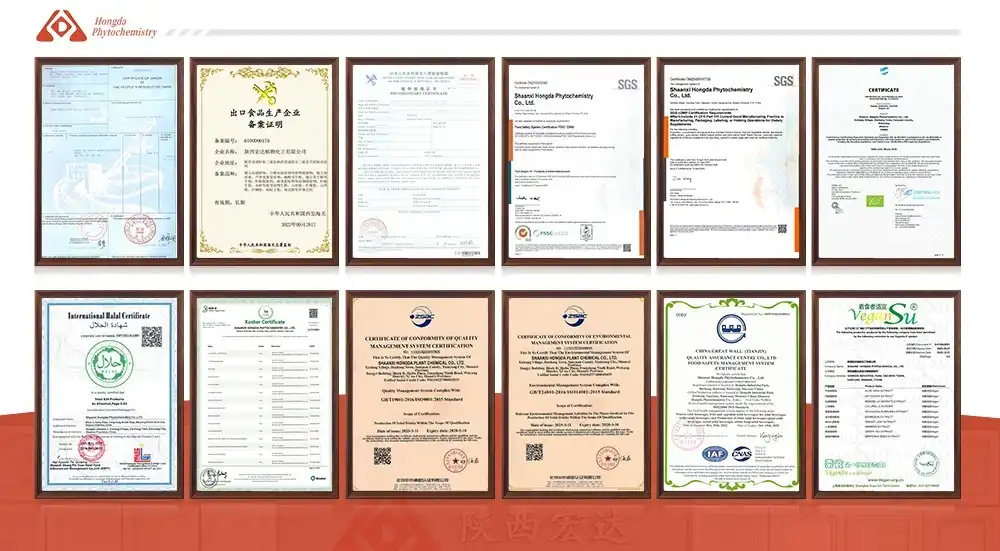
Because certification requirements are different in the US, the EU, and other places, buyers should make sure that a liposomal iron manufacturer's certification portfolio, like Hongda's mix of cGMP, FDA registration, and EU and NOP organic certification, actually matches the regulations that apply to their target market. They shouldn't just assume that broad certifications meet all of these jurisdictions' requirements.
Documentation Needed for Customs Clearance
For liposomal iron powder packages to get through customs, they usually need safety data sheets, proof of where the powder came from, and sometimes more testing results, based on the market they are going to. Before a package goes out, brands should check with their provider to see which papers will be sent automatically and which may need to be specifically asked for. This way, there is no last-minute rushing while the shipment is already in transit.
Working with an Export-Experienced Manufacturer
Choosing a manufacturer with a history of exporting to a brand's target markets makes regulatory compliance much easier. This is because an experienced liposomal iron producer has probably already been through the paperwork needed for that area more than once. Hongda's long history of exporting to Europe, North America, and Asia over many years and its wide range of certifications show that it has a lot of governmental experience.
|
Certification
|
Scope
|
|---|---|
|
cGMP
|
Current Good Manufacturing Practice
|
|
FSSC22000
|
Food Safety System Certification
|
|
ISO9001
|
Quality Management System
|
|
ISO22000
|
Food Safety Management System
|
|
Organic (EU / NOP)
|
European Union and USDA Organic Standards
|
|
Halal / Kosher
|
Religious Dietary Compliance
|
|
BRC
|
British Retail Consortium Global Standard
|
|
FDA
|
U.S. Food and Drug Administration Registration
|
Building a Reliable Long-Term Sourcing Relationship
Establishing Quality Agreements
Brands planning ongoing purchases of liposomal iron powder benefit from formalizing a quality agreement with their supplier that spells out specification tolerances, documentation requirements, and escalation procedures if a batch fails to meet agreed standards. This precaution removes ambiguity from the relationship and gives both parties a clear reference point if a quality issue ever needs to be resolved. A well-structured quality agreement also makes onboarding easier for new team members on either side, since expectations around liposomal iron powder specifications and communication protocols are documented rather than passed along informally between individual contacts over time.
Planning for Order Volume and Lead Times
Because production of liposomal iron powder involves specialized encapsulation equipment, brands should plan order volumes and lead times well in advance of anticipated demand spikes rather than placing last-minute orders that strain a liposomal ferric pyrophosphate supplier's production schedule. Understanding a liposomal ferric pyrophosphate supplier's annual output capacity and typical delivery windows helps a brand build realistic production planning around its own sales forecasts.[6]
Choosing a Manufacturer That Supports Ongoing Precaution Standards
Ultimately, the strongest long-term sourcing relationships involve a liposomal iron manufacturer willing to support a brand's precaution requirements on an ongoing basis, from updated stability data to formulation troubleshooting, rather than treating each order as an isolated transaction disconnected from the broader partnership.
Conclusion
Taking the right precautions with liposomal iron powder means addressing storage conditions, formulation compatibility, supplier verification, and regulatory documentation together rather than in isolation. Hongda Phytochemistry supports each of these areas through certified manufacturing, in-house testing, and export experience built over more than two decades. Brands that apply these precautions consistently protect both product quality and long-term supply chain reliability.
FAQ1. How should liposomal iron powder be stored?
It should be kept in a cool, dry environment in sealed, moisture-resistant packaging to protect the phospholipid encapsulation.
2. Can liposomal iron powder be used in heat-processed products?
Yes, but processing temperature limits should be confirmed with the manufacturer to preserve encapsulation integrity.
3. How often should certificates of analysis be requested?
Ideally with every new batch or shipment, since specifications can vary slightly between production runs.
4. What documentation is needed for customs clearance?
Certificates of analysis, safety data sheets, and country-of-origin documents are commonly required, depending on the destination market.
Get Expert Sourcing Guidance for Liposomal Iron Powder | HONGDA
If your team wants to source liposomal iron powder with confidence, Shaanxi Hongda Phytochemistry Co., Ltd. offers certified manufacturing, in-house technical support, and documentation designed to help brands manage every precaution outlined above. As an experienced liposomal iron manufacturer with a full international certification portfolio, Hongda supports buyers from initial sample requests through long-term supply planning. Contact duke@hongdaherb.com today to discuss storage recommendations, formulation compatibility, or customs documentation for your target market, and build your iron-fortified product line on a foundation of verified quality and expert guidance.
References
1. Journal of Pharmaceutical Sciences – Studies on stability precautions for liposomal-encapsulated mineral ingredients.
2. International Journal of Pharmaceutics – Research on thermal and mechanical stress effects on phospholipid vesicle integrity.
3. Food Control – Analyses of storage and handling best practices for sensitive nutraceutical raw materials.
4. Journal of Food Science and Technology – Reviews of formulation compatibility considerations for encapsulated iron ingredients.
5. World Customs Organization publications – Guidance on documentation requirements for nutraceutical ingredient imports.
6. Regulatory Affairs Professionals Society (RAPS) publications – Overview of international certification alignment for dietary ingredient suppliers.