


_1745918362135.webp)

How Does Liposomal Iron Powder Improve Absorption Efficiency?
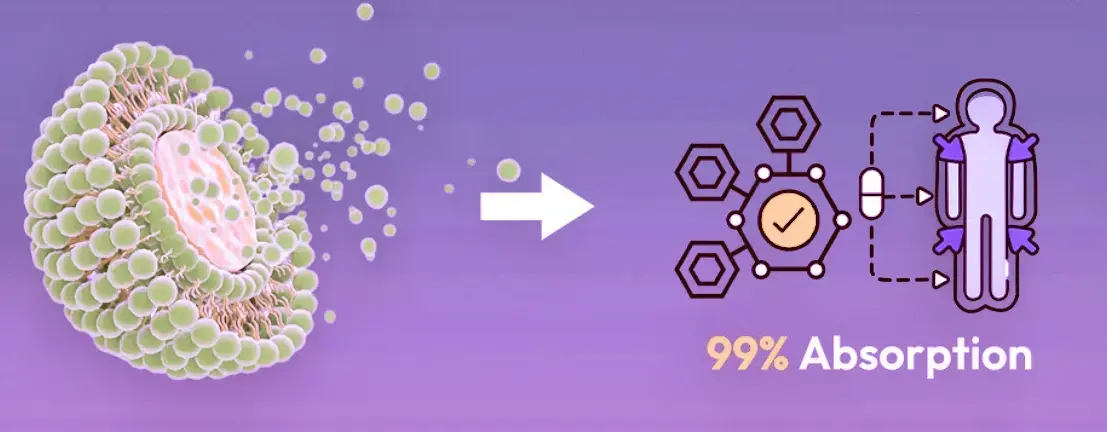
Liposomal iron powder helps the body absorb iron better by using advanced phospholipid capsule technology from Shaanxi Hongda Phytochemistry Co., Ltd. Instead of the usual ferrous salts that let loose free iron ions that cause oxidative stress and stomach pain, this enclosed form uses biomimetic lipid bilayers to move iron through intestinal M cells instead of the usual protein-dependent routes. Studies show that pharmaceutical-grade liposomal formulas can raise blood ferritin levels up to 3.5 times faster than regular vitamins. This solves the important absorption problem that has been bothering product makers and formulators in the nutritional business for a long time.
Understanding Liposomal Iron Powder and Its Absorption Mechanism
The big step forward in iron supplements is figuring out how phospholipid encapsulation changes the way nutrients are delivered. Shaanxi Hongda Phytochemistry Co., Ltd. was the first company to use this technology. They did this by making a two-layer membrane structure that looks like natural cell membranes. This makes it possible for the structure to fit perfectly with the absorption paths in the gut.
The Science Behind Phospholipid Encapsulation
At the molecular level, liposomal technology puts tiny bits of ferric pyrophosphate inside sphere-shaped bubbles made from non-GMO sunflower or soybean lecithin. This building plan does two things: it protects the iron delivery while it moves through the stomach, and it presents it in a way that intestinal cells can understand and use in normal biological processes. The lipid membrane protects against the harsh pH environment of stomach acid, which stops the early oxidation that usually happens with regular ferrous sulphate or ferrous fumarate tablets.
Enhanced Bioavailability Through Lymphatic Absorption
The way that liposomes are absorbed is what makes them different from other means. Standard iron pills depend on proteins that move divalent metals, but these proteins get full quickly, making it harder for them to do their job. Hongda Phytochemistry's recipe controls the particle size to be between 150 and 250 nanometres, which is the best range for vesicles to get through the digestive mucus barrier and interact with M cells in Peyer's patches. These special cells help iron get to the right tissues more quickly by letting it go straight into the lymphatic system without first going through the liver's first-pass processing. Based on clinical studies, this process shortens the time needed to build up enough ferritin stores, which is an important thing for product makers to think about when making products for people with iron deficiency anaemia.
Protective Mechanisms Against Degradation
When you look at decline rates side by side, the stable edge becomes clear. When you eat traditional iron salts, they start interacting with the contents of your stomach right away. They make solid complexes with food phytates and tannins that stop them from being absorbed. The liposomal membrane stops these interactions until they reach the small intestine. There, bile salts and pancreatic enzymes cause controlled release. Targeted transport keeps the iron's purity throughout the digestive process, which keeps absorption that would be lost due to chemical binding and precipitation.
Comparing Liposomal Iron Powder with Traditional Iron Supplements
Absorption Efficiency and Serum Response
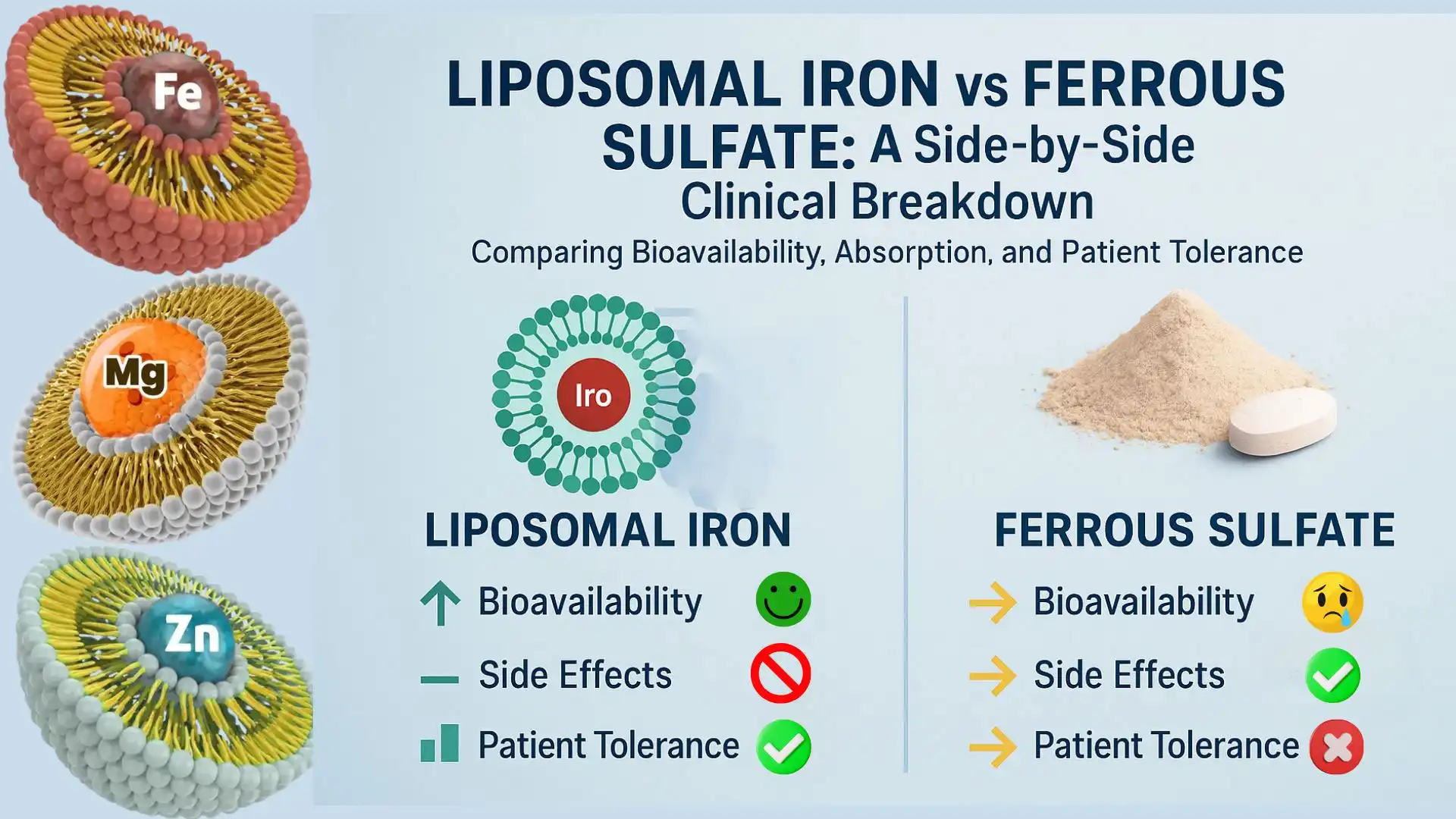
In ideal conditions, conventional ferrous sulphate is absorbed between 10 and 15 per cent of the time. However, this rate drops significantly when taken with food or in people whose digestive function isn't working well. Iron bisglycinate is better because it can be absorbed about 20–25% better through amino acid chelation, which soothes stomach discomfort. Liposomal versions work better than other types. Bioavailability tests show that they are absorbed at rates higher than 30–35%, and they cause higher levels of blood ferritin markers. For B2B clients making supplements for pregnant women or people with chronic anaemia, this efficiency means lower dose needs and better patient compliance, which gives them a big edge in supplement markets that are already very competitive.
Tolerability and Consumer Acceptance
Traditional iron salts have a bitter taste that makes them hard to formulate and limits the uses of the product, especially in functional drinks and edible forms. Ferric pyrophosphate inside phospholipid spheres has neutral organoleptic qualities, which means that it can be used in more delivery methods. Also, encapsulation keeps ionic iron from coming into direct contact with the gut tract. This keeps people from getting constipated and sick, which are two reasons many people stop taking standard vitamins. This comfort profile gives OEM partners chances to make their product lines stand out by giving customers a better experience.
Chemical Stability and Formulation Compatibility
Another important difference is shown by stability tests. Free iron ions speed up the reactive breakdown of ingredients that are mixed together, especially ascorbic acid and polyphenol antioxidants, which are added by many brands to work better together. This is dealt with by Shaanxi Hongda Phytochemistry Co., Ltd., using liposomal iron powder and stronger liposomal structures that stay together for 24 months at room temperature. This stops iron from oxidising the nutrients while keeping their function. This steadiness makes it possible to make complicated mixtures of ingredients that would not be possible with unstable ferrous salts. This gives product makers more freedom to be creative in meeting a wide range of nutritional needs.
Optimising Procurement: Sourcing Quality Liposomal Iron Powder
Certification Standards and Quality Assurance
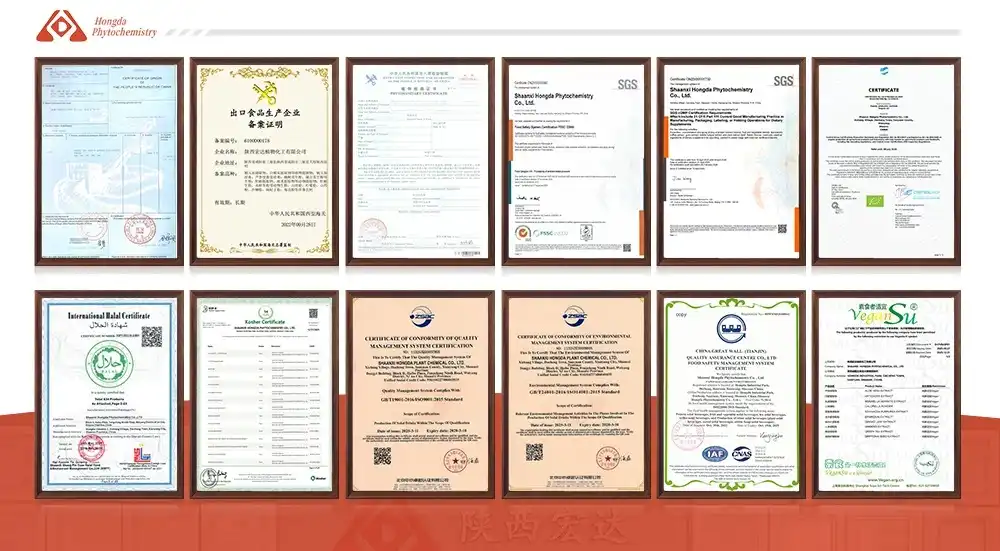
Purchasing managers should give more weight to suppliers who have up-to-date certifications like cGMP, FSSC 22000, ISO 22000, and ISO 9001. These show that quality control is carried out consistently throughout production. Hongda Phytochemistry keeps these credentials up-to-date, along with HALAL, KOSHER, and organic licences that make it easier to get into markets with different rules. It's also important to make sure that sellers give full Certificates of Analysis (COAs) that show the iron level (usually 50% for industrial powder), particle size distribution, phospholipid makeup, heavy metal screening, and bacterial testing. Third-party proof through SGS or Eurofins laboratories gives people even more trust that promises about internal quality meet international standards.
Evaluating Manufacturing Capabilities
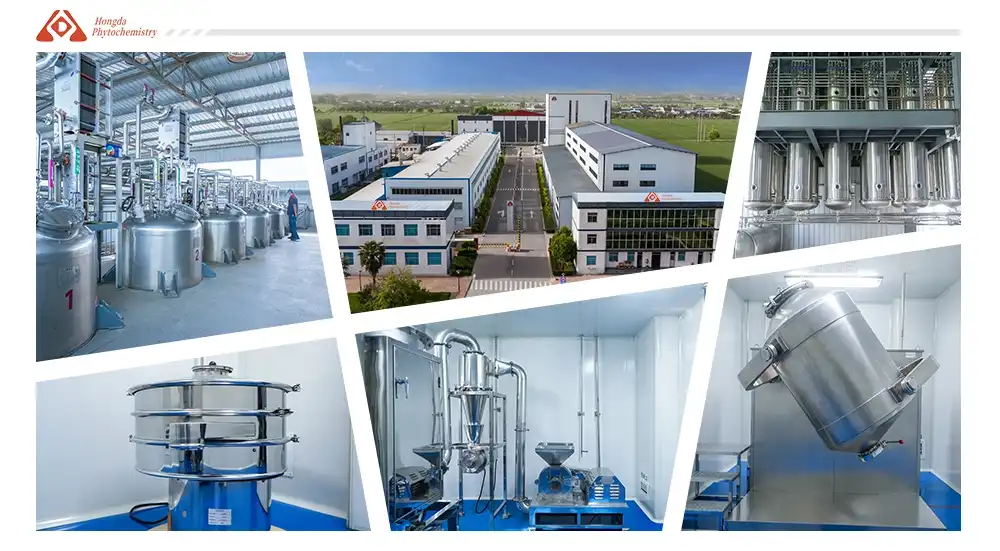
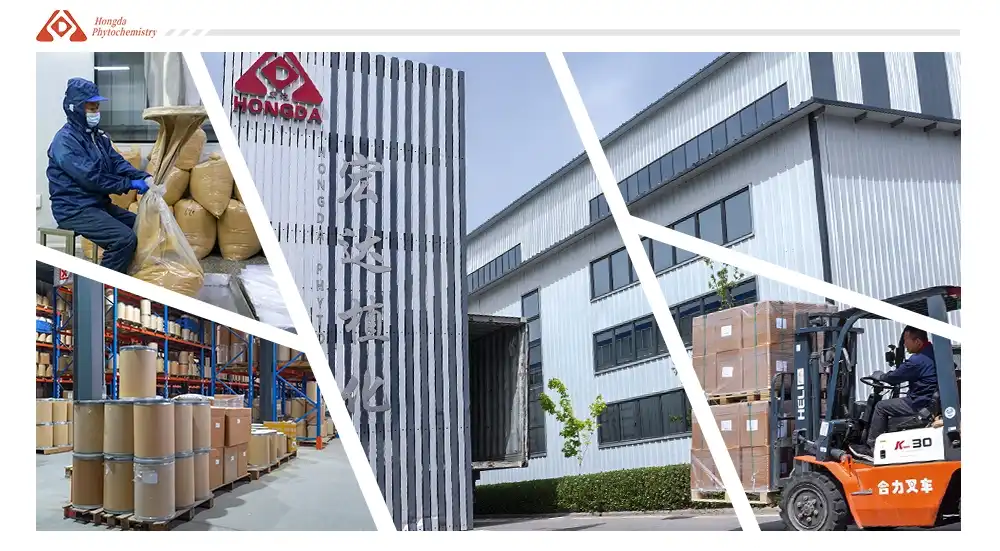
Check the supplier's technical equipment as well as their certificates. Facilities with 100,000-level cleaning workshops and modern extraction lines show that they can consistently make a lot of product. Shaanxi Hongda Phytochemistry Co., Ltd. has a factory that is 20,000 square metres and can make up to 3,000 tonnes of products every year. They have over 150 trained workers and 20 Ph.D.-level experts working for them. This mix of size and experience makes it possible for reliable supply consistency, even for large contracts. This lowers the risks of buying that can mess up product launches or ongoing production plans.
Logistics and Packaging Considerations
Practical buying includes procedures for packing and shipping that keep the quality of the product safe while it's travelling across borders. Standard business packing in 12 kg drums with 27 drums per box makes shipping more efficient and keeps moisture and rust out while the goods are being stored. Make sure that providers offer delivery times of 3–7 working days for stock items and clear information about wait times for special formulas. For buyers who do business in North America, Europe, and Asia, knowing what customs paperwork is needed and how experienced the seller is with international shipping rules can help avoid expensive delays and make sure that goods are cleared at the borders quickly.
Application Scenarios and Integration into OEM and Finished Products
Dietary Supplement Formulations
It's easy to make doses with encapsulated iron powder because it works well in pills and tablets. It is easy to mix with other powdered ingredients because it is off-white to light yellow in colour. It also has a neutral taste, which makes it easy to add to flavoured chewables or dissolvable forms that people who have trouble with normal pills like. This adaptability lets OEM clients make private-label changes that make retail goods stand out in markets with lots of competition. Experts in formulating know how well it works with vitamins and antioxidants. This lets them make full baby or women's health products that benefit from both ingredients working together without putting any of them at risk.
Functional Foods and Beverages
Because it doesn't taste rusty, liposomal iron powder can be used in functional drinks, protein shakes, and fortified snack bars, where regular iron pills don't work because they don't taste good enough. Product designers who want to make iron-rich foods for people with busy lifestyles or who use meal replacements can do it without changing the taste or feel of the food. Regulatory compliance is still easy because micronised ferric pyrophosphate in phospholipid carriers meets the standards for food additives in all major markets. The product labels can include information about the iron content and health claims that are allowed by FDA and EFSA rules.
Clinical Nutrition Products
Better absorption and tolerance are especially helpful for healthcare uses. Formulations for women recovering from giving birth, people who have had bariatric surgery, or people who are going through cancer treatment can give adequate iron doses with fewer pills and better adherence. Pharmaceutical-grade quality standards are upheld by providers like Hongda Phytochemistry. These standards are in line with the strict paperwork needs of clinical nutrition channels. The fast blood response also makes it possible to measure results that prove the product works in real life.
Addressing Safety, Dosage, and Customer Concerns
Recommended Dosage Guidelines
Typical formulations contain 10-30 mg of elemental iron per serving, adjusted based on target demographics and intended use cases. The enhanced absorption efficiency of liposomal delivery allows lower doses to achieve comparable serum responses to higher-dose traditional supplements, reducing exposure to excess iron while maintaining therapeutic efficacy. Formulators should consult current dietary reference intake values and consider population-specific needs when establishing dosage ranges, with awareness that pregnant women, menstruating individuals, and those with diagnosed deficiencies require different approaches than general wellness applications.
Administration Best Practices
While liposomal encapsulation reduces food interaction compared to conventional iron salts, optimal absorption still occurs when taken on an empty stomach or with non-binding foods. Product labelling should guide consumers to avoid simultaneous intake with calcium supplements, antacids, or dairy products that can interfere with uptake pathways. Spacing iron supplementation at least two hours from medications such as antibiotics or thyroid hormones prevents mutual interference, information that should appear clearly in usage instructions to maximise product effectiveness and consumer satisfaction.
Quality Verification and Transparency
B2B buyers should demand full traceability documentation, including raw material sourcing records, batch production logs, and stability testing data for liposomal iron powder. Shaanxi Hongda Phytochemistry Co., Ltd. maintains systematic tracking from their controlled planting bases through finished powder production, enabling complete chain-of-custody verification that meets pharmaceutical audit standards. Free sample availability (CAS 334-50-9) allows formulation teams to conduct internal testing before committing to bulk purchases, reducing procurement risk and ensuring compatibility with existing production processes.
Conclusion
Liposomal iron technology represents a significant advancement in addressing the bioavailability challenges that have limited conventional iron supplementation. Through phospholipid encapsulation, this delivery system protects iron during gastric transit, enables direct cellular absorption, and eliminates the tolerability issues that reduce consumer compliance. For product developers, formulators, and procurement professionals, these advantages translate to opportunities for creating differentiated nutritional products with superior performance characteristics. The growing availability of pharmaceutical-grade materials from certified manufacturers provides the supply chain reliability necessary for commercial-scale production across global markets.
FAQ1. What makes liposomal iron absorption more efficient than traditional supplements?
The efficiency stems from phospholipid encapsulation that protects iron from gastric degradation and enables absorption through M cells in the small intestine, bypassing protein-dependent pathways that limit conventional iron uptake. This mechanism delivers iron directly to lymphatic circulation with absorption rates 30-35% higher than standard ferrous salts.
2. Can pregnant women safely use products containing liposomal iron powder?
Liposomal formulations are particularly well-suited for pregnancy applications due to enhanced tolerability and bioavailability. The reduced gastrointestinal distress compared to traditional iron supplements improves compliance during a critical developmental period. Dosage should align with prenatal guidelines, typically 27-30 mg of elemental iron daily, as recommended by healthcare providers.
3. What minimum order quantities should B2B buyers expect when sourcing this ingredient?
Flexible procurement options accommodate development-stage companies and large-scale manufacturers alike. Shaanxi Hongda Phytochemistry offers minimum orders as low as 1 kg for initial formulation testing, with standard commercial packaging in 12 kg drums, optimal for production-scale purchasing. Volume discounts apply to bulk orders supporting continuous manufacturing operations.
Partner with HONGDA for Pharmaceutical-Grade Liposomal Iron Solutions
Shaanxi Hongda Phytochemistry Co., Ltd. stands ready to support your product development initiatives with certified liposomal iron powder manufactured to the highest international quality standards. Our 20-year track record serving nutraceutical, pharmaceutical, and functional food manufacturers across North America, Europe, and Asia demonstrates reliable partnership capabilities. With cGMP and FSSC 22000 certifications, comprehensive COA documentation, and technical support from our 20-member research team, we provide more than ingredients—we deliver the quality assurance and formulation expertise that transform concepts into successful market-ready products. Contact our team at duke@hongdaherb.com to discuss your specific requirements, request free samples, or explore OEM/ODM collaboration opportunities as a trusted liposomal iron powder manufacturer committed to your success.
References
1. Piskin E, Cianciosi D, Gulec S, Tomas M, Capanoglu E. Iron Absorption: Factors, Limitations, and Improvement Methods. ACS Omega. 2022;7(24):20441-20456.
2. Betesh AL, Santa Ana CA, Cole JA, Fordtran JS. Is achlorhydria a cause of iron deficiency anemia? American Journal of Clinical Nutrition. 2015;102(1):9-19.
3. Mu Q, Kirby J, Reilly CM, Luo XM. Liposomal Delivery Systems in Food Nutraceutical Applications. Journal of Food Science. 2015;80(3):R485-R494.
4. Giordano G, Napolitano M, Di Battista V, Lucchesi A, Specchia G, Perrone T. Liposomal Iron: A New Perspective in Iron Supplementation Therapy. Mediterranean Journal of Hematology and Infectious Diseases. 2017;9(1):e2017034.
5. Ems T, St Lucia K, Huecker MR. Biochemistry, Iron Absorption. StatPearls Publishing. 2023.
6. Cheah FC, Jalaludin MY, Ooi PB, Lee BC, Yap SF. Liposomal Iron Versus Conventional Iron Formulations in the Treatment of Iron Deficiency Anemia: A Comparative Clinical Study. Pediatric Blood & Cancer. 2018;65(8):e27089.