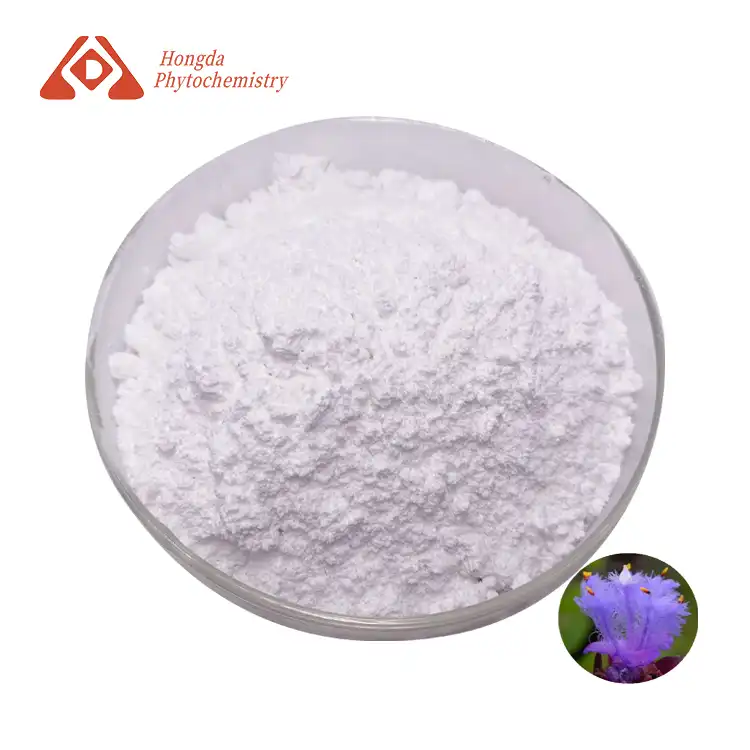




Why do most liposomal silymarin formulas fail water-dispersion stability in beverage products?
Liver-health category goal: clear, steady, great-tasting functional beverages. Most liposomal silymarin formulations, however, cloud up, settle out, or leave a gritty ring at the bottom of the container within days. Rarely is it the silymarin itself. Poor vesicle design, sloppy drying, and a failure to test beverages specifically are typical offenders. Hongda Phytochemistry has a different take on the topic. Liposomal silymarin powder is developed by Shaanxi Hongda Phytochemistry Co., Ltd. It is constructed with consistent nano-vesicles, protective freeze-drying, and batch release data, including actual water dispersion tests. This article shows how conventional formulae fall apart, how a manufacturer-controlled procedure stops it from happening, and what beverage businesses should ask before signing off on a supplier.
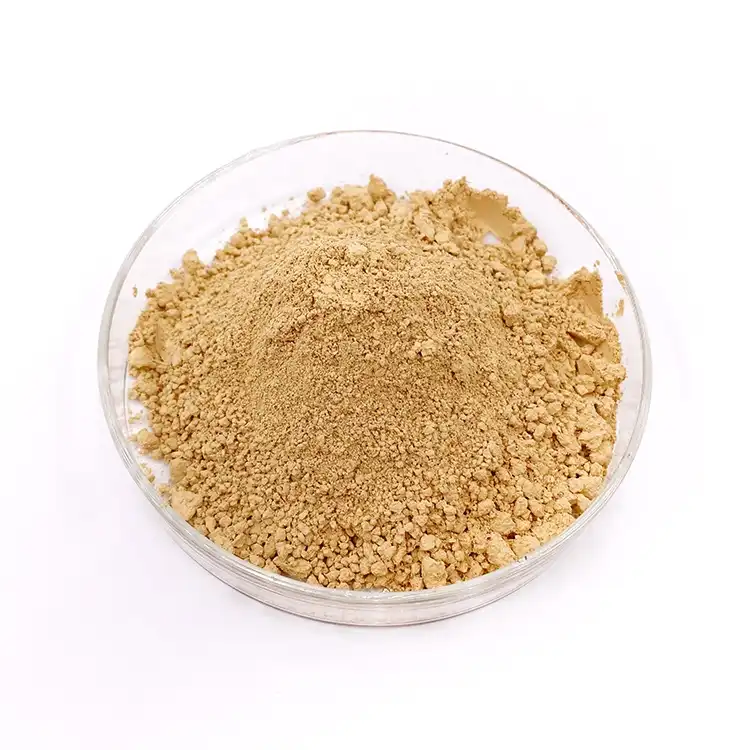
The Beverage Stress Test: Where Dispersion Stability Breaks Down
Why Drinks Are the Toughest Test for Liposomal Silymarin Powder
A capsule requires only a powder for dry storage. A beverage wants the same particulates to remain suspended, undamaged, and appealing for months despite being subjected to water, acids, minerals, sugars, and temperature fluctuations. Silymarin is inherently lipophilic; therefore, any weakening in the vesicle wall soon manifests as haze, silt, or an oily coating. Developers who put liposomal silymarin powder into a glass of water sometimes learn more in an afternoon than they would from a stack of pamphlets. A good powder will rehydrate within a minute of gently stirring and produce an even, somewhat opalescent dispersion, which remains constant on the shelf. Hongda’s liposomal silymarin powder is based on this drink-first standard, as described on our product page. It is a drink ingredient, not a recycled capsule filler.[1][3]
Particle Growth, Aggregation, and the Cloudy-Bottle Problem
Typically, the first indicator of failure of a liposomal beverage is particle proliferation. Vesicles formed at 150 nm clash and fuse and coalesce into bigger objects that scatter more light and provide a milky appearance. Finally, the heavier aggregates settle down, or the lighter ones rise up as a cream layer. Fusion is promoted by weak surface charge, lower-grade phospholipids, and an uneven initial size distribution. The point of a narrow distribution is that tiny and big vesicles in the same bottle interchange material, and this accelerates instability. We use high-pressure homogenization to tighten the dispersion of our liposomal silymarin powder and test each batch for particle size before release. This greatly reduces the chances of the foggy bottle issue for the beverage manufacturer and maintains the product appearing premium.[5][6]
Hidden Triggers: pH, Minerals, and Heat
The chemistry of beverages is replete with hidden triggers. Citric and malic acids reduce pH, which may hydrolyze phospholipids and decrease the surface charge that keeps vesicles apart. Hard water has calcium and magnesium, which bond with phospholipid heads and clump them. The bilayers may dissolve during hot-filling or pasteurization, releasing the silymarin, which subsequently crystallizes. So many formulations are only tested in deionized water, and these failures are a surprise to the brand after launch. For any liposomal silymarin powder, ask for dispersion data at your real pH and water hardness, not simply a lab baseline. Hongda’s technical staff suggests feasible pH windows, mineral tolerance, and mixing temperatures, helping developers avoid expensive reformulation and lost pilot batches.
Table 1: Common Beverage Failure Signs and How Hongda Controls Them
|
Failure Sign in Beverage
|
Likely Root Cause
|
Hongda Preventive Control
|
|---|---|---|
|
Haze or milky look after storage
|
Vesicle fusion, wide size distribution
|
High-pressure homogenization; particle size checked per lot
|
|
Sediment at bottle base
|
Free silymarin crystals, low encapsulation
|
Encapsulation tested before release
|
|
Oily ring or surface film
|
Poor phospholipid quality, oxidation
|
Selected phospholipid grade; sealed barrier packaging
|
|
Clumping when mixed
|
High residual moisture, damaged cake from drying
|
Controlled vacuum freeze-drying; moisture limits
|
|
Taste or color drift
|
Light, heat, or oxygen exposure
|
Protective encapsulation; warehouse zoning and sterilization
|
Why Typical Formulas Fail: Three Weak Links in the ChainLecithin Blends Posing as True Liposomes
The most prevalent cause for failure of silymarin liposomal formulations is that they are not really liposomal. Some vendors only mix silymarin with lecithin and get loosely coated crystals that appear great as a dry powder but come apart in water. True vesicles need a certain hydration stage, mechanical energy, and a regulated ratio of phospholipid to active to produce closed bilayers. Otherwise, the free silymarin is left and rapidly deposited. Our liposomal silymarin powder is intended to prevent this pitfall. Encapsulation is proven (not presumed), and the vesicle quality is controlled by analytical testing. Buyers should be cautious when they see the imprecise descriptor “phospholipid complex” and should ask for encapsulation data. That one figure is a stronger predictor of beverage behavior than any label claim.[2][4][5]
Drying Methods That Quietly Destroy Vesicles
Good vesicles might be damaged in the drying cycle. This is where many manufacturers take shortcuts to make a liquid liposome into a free-flowing powder. Spray drying at high temperatures may break membranes. Without the presence of appropriate protectants during the lyophilization process, the formation of ice crystals leads to the fusion of the vesicles. What we get is a powder that appears good but releases silymarin upon contact with water, creating visible specks. Hongda applies controlled vacuum freeze-drying with precisely chosen protectants so that liposomal silymarin powder rehydrates as nano-vesicles instead of clumping together. Shelf life is protected by minimizing residual moisture and packing in moisture-barrier packaging. This soft step is one of the main reasons for our flawless powder dispersion, a question every provider should be asking.[4][5]
Batch Inconsistency and Missing Documentation
Not a product, a formula that works once. Lucky batch. Many beverage failures are due to uneven batches where particle size, encapsulation, or phospholipid quality varies across shipments. Then the brands blame their own formulation when the true culprit is upstream.” Procurement teams are already asking resveratrol powder manufacturers about polyphenol purity and solubility, and the same concerns apply to silymarin powder suppliers. Does each lot have HPLC data? Are retained samples stored? Is it repeatable and documented? Hongda solves these questions via batch-level testing and verifiable records, so a drink certified on the first order is the same on the tenth. Consistency enables beverage businesses to expand without frequent troubleshooting.
The Hongda Approach: Engineering Stability Into Every LotFactory Process Advantages From Field to Freeze-Dryer
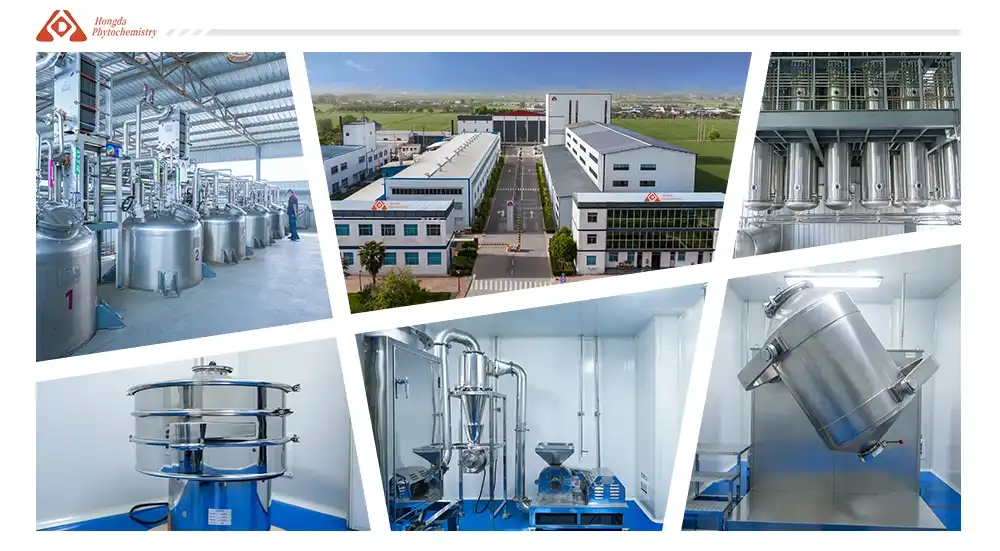
The first stage is control of raw materials. Shaanxi Hongda has three planting bases, including a Chinese medicinal materials base, which is managed by experienced agronomists, so the source material can be traced back to the field. With national patent technologies, the extraction and encapsulation are carried out in a 20,000-square-meter plant with more than 10 contemporary production lines and 100,000-level purification workshops. Liposomal silymarin powder is made by hydrating phospholipids and silymarin, homogenizing them at high pressure to produce homogeneous nanoscale vesicles, then freeze-drying them into a free-flowing powder. These stages are carried out by more than 150 workshop professionals, and our yearly production may approach 3,000 tons throughout our range. "We do everything in-house so we can tweak vesicle size and phospholipid ratio to a certain drink type.
Batch Quality Control Built for Beverage Customers
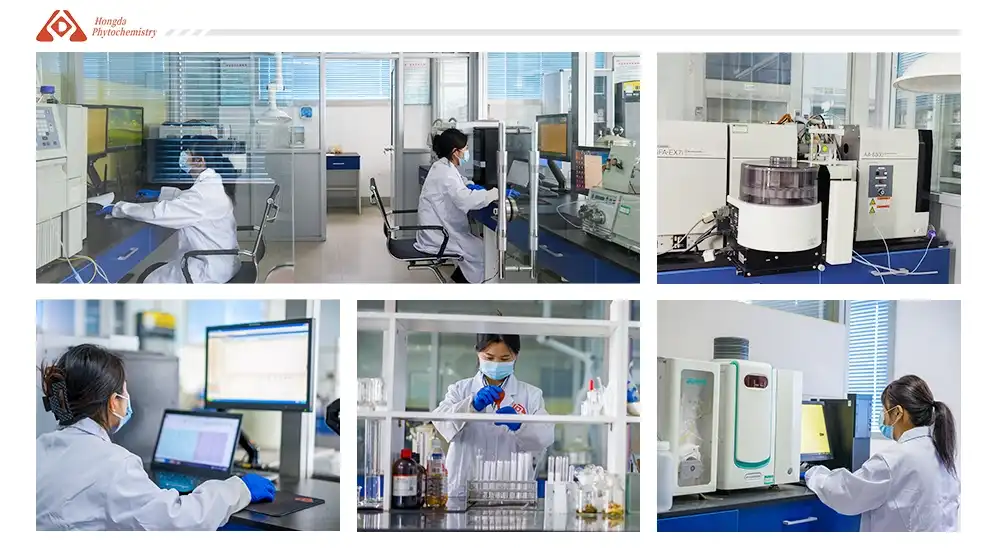
We created our lab with university academics and staff, with over 20 professor-level R&D and testing professionals. Every batch of liposomal silymarin powder is examined in our SGS-standardized lab. Prior to export, we use high-performance liquid chromatographs, gas chromatographs, spectrophotometers, and atomic absorption spectrophotometers for the testing of silymarin content, residual solvents, heavy metals, moisture, pesticide residues, and microbes. We also provide a simple reconstitution check for beverage consumers by dissolving the powder in water and observing clarity, sedimentation, and redispersion. If you want to see these results at your own target pH or water type, email our team at duke@hongdaherb.com, and we will share a COA and arrange a sample for your pilot batch. Real numbers on your own formula are the fastest way to judge a supplier.
Real Production Photos and Pilot-Testing Evidence
The best way to establish confidence is to watch the product in action. Our staff logs genuine production and testing, including photos of the freeze-drying line, sealed drums ready to ship, and side-by-side dispersion tests in transparent glass. In joint pilot studies with partners, China silymarin powder is put into mineral water, a somewhat acidic citrus drink, and a stick-pack premix and photographed after mixing and again after storage to illustrate clarity and sediment. Partners may compare these photos to a normal silymarin extract that floats and settles. We also provide virtual or on-site tours where customers will see our six warehouse zones A to F, with skilled personnel managing sterilization and inventory. This transparency provides developers with proof, not promises, and allows buying teams to approve us more quickly.
Table 2: Hongda Batch Release Checkpoints for Liposomal Silymarin Powder
|
Quality Checkpoint
|
Method / Equipment
|
Why It Matters in Beverages
|
|---|---|---|
|
Silymarin content
|
HPLC
|
Confirms accurate dosing per serving
|
|
Residual solvents
|
Gas chromatography
|
Protects taste and compliance
|
|
Heavy metals
|
Atomic absorption spectrophotometry
|
Meets international safety expectations
|
|
Moisture and microbiology
|
Moisture analysis, microbial testing
|
Supports shelf life and clean mixing
|
|
Reconstitution clarity
|
Visual and instrumental water-dispersion check
|
Predicts haze and sediment risk
|
Making It Work in Your Product: A Practical Formulation and Sourcing GuideFormulation Habits That Protect Stability
A drink is the beginning of success in excellent habits. Add liposomal silymarin powder to cold or room temperature water, using moderate rather than high shear whipping, and avoid adding to extremely hot liquid. Maintain a moderate pH range, from neutral to slightly acidic. Use softened or low-mineral water for ready-to-drink forms. Sweeteners and natural tastes are often good partners. First, strong preservatives, high ethanol, and substantial calcium fortification should be examined. The delivery mechanism has been engineered to enhance absorption so that moderate doses may be maintained, helping to keep the beverage clear and the taste pure. Hongda’s technical staff offers starting-point help for each format so your developers are able to create a solid prototype in fewer cycles.
Choosing the Right Beverage Format
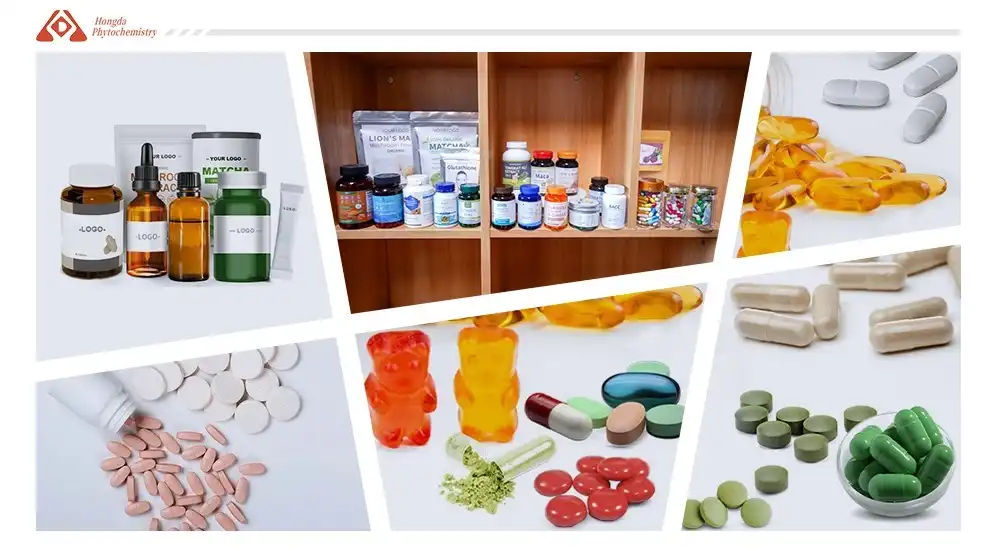
Powdered stick packs and effervescent tablets are the least risky entry point, since the liposomes are kept dry until the customer adds water, avoiding long-term shelf-life issues. Next are the drink powders for ready-to-mix, wellness shots, and functional waters, while the greatest testing is needed for completely ready-to-drink bottles. As confidence builds, liposomal silymarin powder provides businesses a ladder to climb. A lot of clients are starting with a stick pack, getting market input and then extending into shots or dazzling formats.” Some buyers who currently buy from a resveratrol powder manufacturer for antioxidant blends use both ingredients in one liver and vitality sachet, and our experts can advise on compatibility in multi-ingredient mixtures. Start small and gradually develop to safeguard your budget and cultivate a dedicated consumer base.
Qualifications and Supply Security for Wholesale Buyers
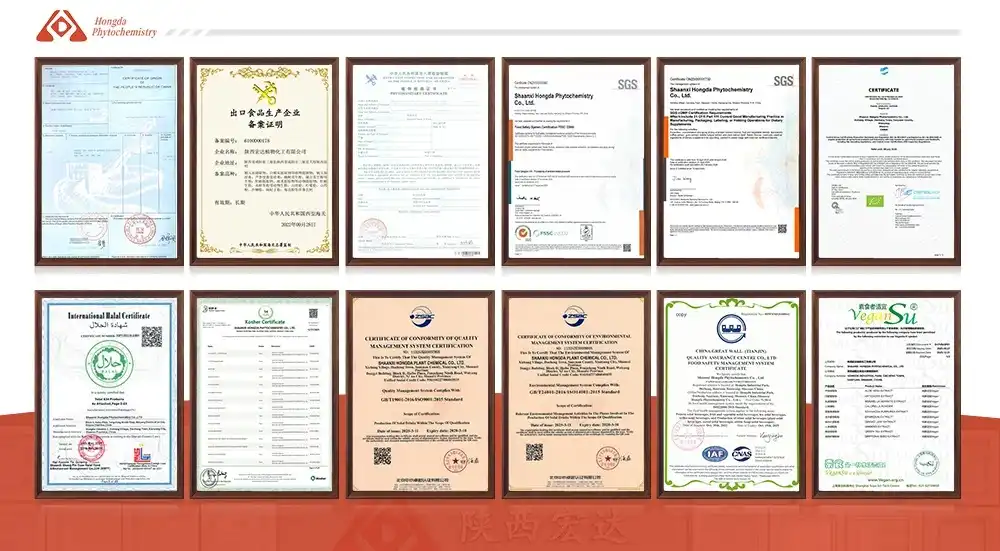
Beverage brands sell to merchants that want paperwork. Shaanxi Hongda was established in 2001 and was designated a National High-tech Development Enterprise in 2010. We are licensed to manufacture food and food additives and are Halal, Kosher, BRC, FDA, and organic certified. In 2025, we have included cGMP, FSSC22000, SC, ISO22000, ISO9001, ORGANIC (EU and NOP). This level of documentation, along with in-house liposome technology, R&D supported by universities, and a warehouse of 3,000 square meters that maintains stock for on-time delivery, is offered by very few producers of resveratrol powder and other providers of plant extracts. We provide customizable quantities, private-label assistance, and documentation packages appropriate to US and European markets, so supplier paperwork never delays your launch. Whether you require samples or wholesale silymarin powder in bulk.
Conclusion
Most liposomal silymarin solutions fail in drinks due to artificial encapsulation, damaging drying, uneven particle size, and irregular batches, and then get attacked again by pH, minerals, and heat. Controlled homogenization, protective freeze-drying, batch testing by SGS standards, and globally recognized certifications are the ways Hongda Phytochemistry tackles these weak links. The outcome is a wholesale silymarin manufacturer that disperses easily, remains stable, and provides beverage manufacturers with a reliable platform for contemporary liver-health solutions.[4][5][6]
FAQ1. Why does liposomal silymarin turn cloudy in drinks?
Cloudiness usually comes from vesicle fusion, uneven particle size, or free silymarin crystals caused by poor encapsulation.
2. Can liposomal silymarin powder be used in stick packs and functional drinks?
Yes. Dry stick packs are the easiest start, followed by drink powders, shots, and functional waters.
3. How does Hongda check dispersion quality?
Each lot is tested in our SGS-standardized laboratory, including silymarin content, particle quality, and a water reconstitution check.
4. Which certifications support Hongda's products?
We hold cGMP, FSSC22000, ISO22000, ISO9001, BRC, FDA, Halal, Kosher, SC, and EU/NOP organic certifications.
Partner With HONGDA: Build Stable, Crystal-Clear Liver-Health Drinks
Ready to stop troubleshooting cloudy bottles and start launching drinks that stay beautiful from filling line to final sip? Work with Shaanxi Hongda Phytochemistry Co., Ltd., a trusted manufacturer since 2001, and put our liposomal silymarin powder to the test in your own formula. We offer samples, batch documents, formulation advice, and reliable bulk supply backed by a certified factory and an SGS-standardized laboratory. Email duke@hongdaherb.com today to request your sample, COA, and factory video. Let HONGDA help you turn a difficult ingredient into your next best-selling beverage.
References
1. Gažák, R., Walterová, D., & Křen, V. (2007). Silybin and silymarin: new and emerging applications in medicine. Current Medicinal Chemistry, 14(3), 315-338.
2. Kidd, P., & Head, K. (2005). A review of the bioavailability and clinical efficacy of milk thistle phytosome: a silybin-phosphatidylcholine complex (Siliphos). Alternative Medicine Review, 10(3), 193-203.
3. Yu, J. N., Zhu, Y., Wang, L., et al. (2010). Enhancement of oral bioavailability of the poorly water-soluble drug silybin by sodium cholate/phospholipid-mixed micelles. Acta Pharmacologica Sinica, 31(6), 759-764.
4. Chu, C., Tong, S. S., Xu, Y., et al. (2011). Proliposomes for oral delivery of dehydrated silymarin: preparation and evaluation in vitro and in vivo. Acta Pharmacologica Sinica, 32(7), 973-980.
5. Mozafari, M. R., Johnson, C., Hatziantoniou, S., & Demetzos, C. (2008). Nanoliposomes and their applications in food nanotechnology. Journal of Liposome Research, 18(4), 309-327.
6. McClements, D. J. (2021). Advances in edible nanoemulsions: digestion, bioavailability, and potential toxicity. Progress in Lipid Research, 81, 101081.